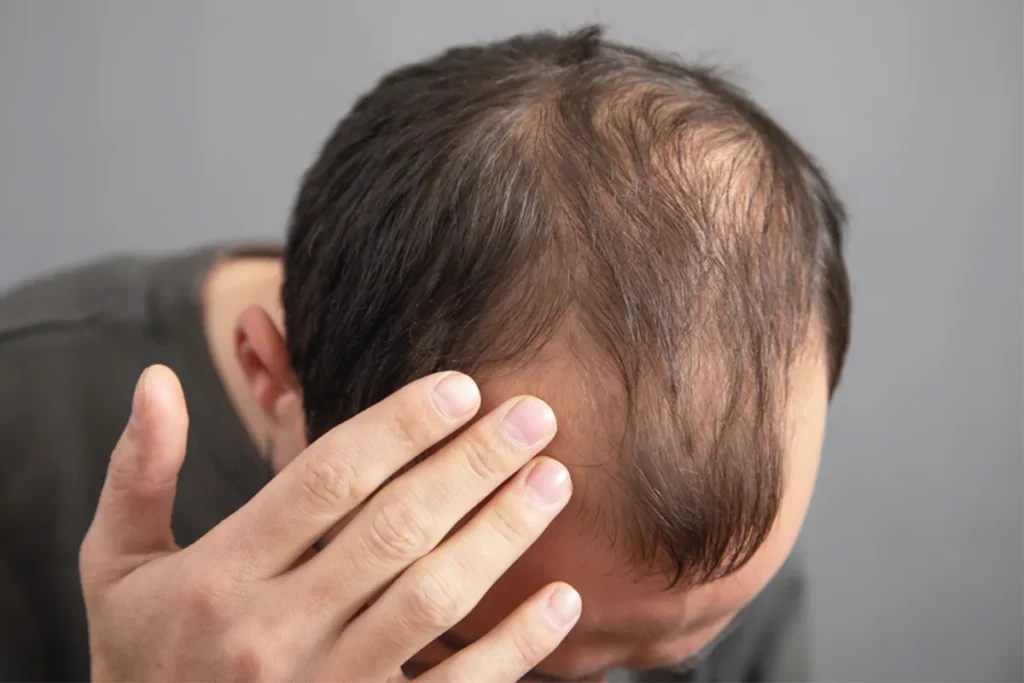
Experiencing sudden hair loss in your beard can be distressing. But knowing the cause is the first step to finding a solution. Alopecia barbae, or alopecia areata of the beard, is an autoimmune condition. It affects a lot of people with alopecia areata, causing patches of hair loss on the beard and facial hair.
This condition, affecting about 28% of alopecia areata patients, happens when the body’s immune system attacks the hair follicles. It might seem scary, but there are modern treatments for facial hair loss disease. These treatments help people regain their confidence and grow a fuller beard.
Key Takeaways
Understanding alopecia barbae is key to effective treatment.
Alopecia areata of the beard affects a significant portion of individuals with alopecia areata.
Modern treatments can help manage and potentially reverse beard baldness.
Early recognition of symptoms is key to successful intervention.
Consulting a healthcare professional is essential for personalized treatment plans.
Understanding Alopecia Areata of the Beard
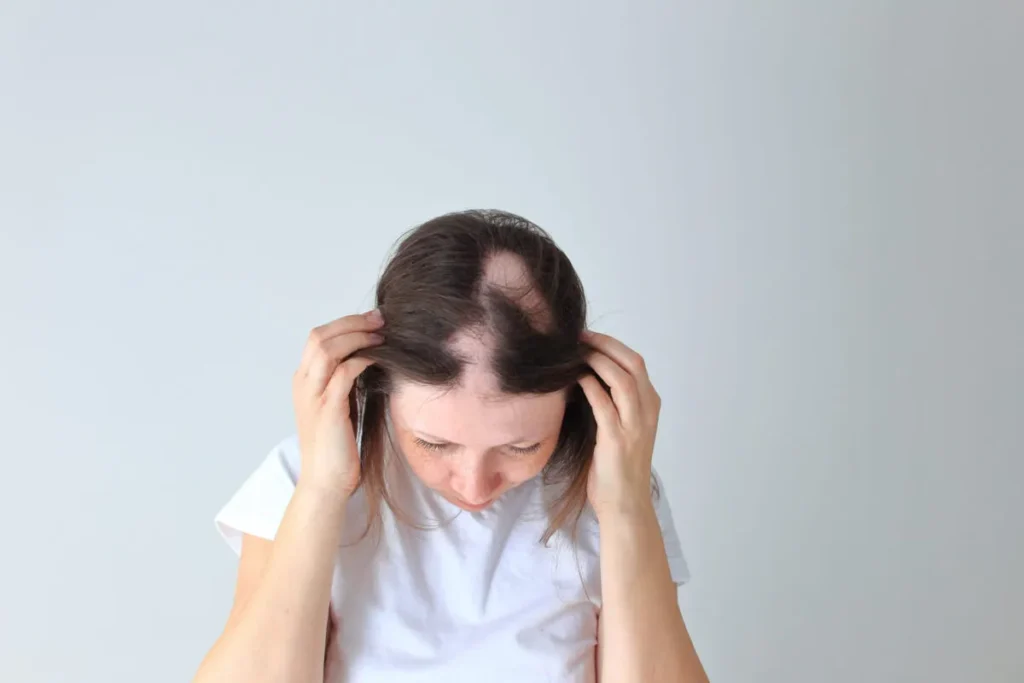
Understanding alopecia areata of the beard is key to finding treatments. This condition leads to patchy hair loss. It can affect how you look and how you feel about yourself.
To understand this condition, we need to look at its causes and symptoms. Medical insights show that it happens when the body’s immune system attacks hair follicles. This causes hair to fall out.
What Causes Beard Hair Loss
The exact cause of alopecia areata on the beard is not known. But it’s thought to be an autoimmune disorder. This means the body’s immune system attacks hair follicles, causing hair loss.
Several things can trigger this autoimmune response. These include:
Genetics: If your family has alopecia areata, you’re more likely to get it.
Stress: Physical or emotional stress can start alopecia areata.
Other autoimmune diseases: Having other autoimmune conditions can raise your risk.
Common Symptoms and Patterns
Men with alopecia barbae often see sudden, circular bald patches on their jawline, cheeks, and neck. It can be hard to diagnose because it looks like other hair loss conditions.
Knowing these symptoms and patterns is important. It helps you find the right treatment and manage the condition better.
Diagnosing Alopecia Barbae
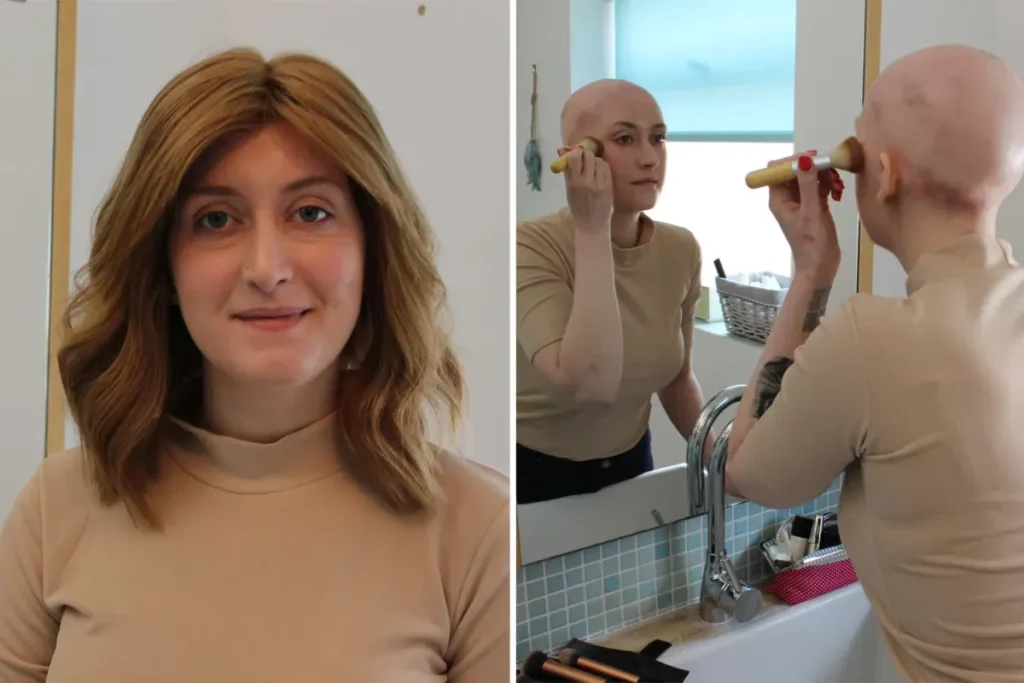
Diagnosing alopecia barbae needs a careful approach to get it right. It’s important to tell it apart from other beard hair loss causes. This includes fungal infections or alopecia mustache.
Clinical Examination Process
A dermatologist or healthcare professional starts by doing a detailed check-up. They look at the patient’s medical history and examine the affected area closely. They check for hair loss patterns and skin health.
Key steps in the clinical examination include:
Visual inspection of the beard area to identify patches of hair loss
Assessment of the scalp and other body hair to check for any other areas of alopecia
Review of the patient’s medical history to identify any other triggers or conditions
Distinguishing Features and Trichoscopic Findings
Trichoscopy is a key tool in diagnosing alopecia barbae. It uses a dermatoscope to closely look at hair and scalp. It finds exclamation mark hairs, short vellus hairs, and yellow dots.
These signs help tell alopecia barbae apart from other hair loss causes. A diagnosis often comes from these findings. Sometimes, a skin biopsy or blood tests are needed to confirm.
The diagnostic process for alopecia barbae is thorough and accurate. It ensures patients get the right treatment for their condition.
Treatment Options for Alopecia Areata of Beard
Restoring a full beard affected by alopecia areata requires exploring different treatments. This includes topical corticosteroids and new therapies. A good treatment plan considers your health, hair loss, and the chance of hair coming back.
First-Line Treatments: Topical Corticosteroids
Topical corticosteroids are often the first choice for treating alopecia areata of the beard. These creams or ointments are applied directly to the affected area. They help reduce inflammation and promote hair growth.
Topical corticosteroids have several benefits:
They are easy to apply
They are minimally invasive
They can be used with other treatments
Intralesional Corticosteroid Injections
For severe cases or when topical treatments don’t work, intralesional corticosteroid injections are recommended. This method involves injecting corticosteroids directly into the affected area. It aims to stimulate hair growth.
It’s important to note that while injections can be effective, they may cause temporary side effects. These can include pain at the injection site or skin atrophy.
Alternative and Emerging Therapies
There are also alternative and emerging therapies for treating alopecia areata of the beard. These include:
JAK inhibitors, which have been shown to promote hair regrowth
Home remedies such as garlic gel and biotin supplements, though their efficacy is largely anecdotal
Living with alopecia areata of the beard can be tough, both physically and emotionally. Coping strategies and self-care are key in managing the condition. These may include:
Maintaining a healthy lifestyle through diet and exercise
Seeking support from dermatologists or support groups
Practicing stress-reducing techniques, such as meditation or yoga
— Dermatological Expert
Conclusion
Understanding and addressing alopecia beard is key for those with beard baldness. Exploring different treatments can help manage facial hair loss. It might even help grow new hair.
Acting early and getting the right treatment is important. It can make a big difference in managing alopecia facial hair. The right steps can improve your condition and boost your life quality.
Starting a journey to manage alopecia areata of the beard is empowering. It lets you take charge of your condition. By staying informed and working with healthcare pros, you can find effective solutions. This can help you feel more confident about how you look.
FAQ
What is alopecia areata of the beard?
Alopecia areata of the beard, also known as alopecia barbae, is an autoimmune condition. It causes hair loss on the beard, mustache, or other facial hair areas.
What causes alopecia areata on the beard?
The exact cause of alopecia areata on the beard is unknown. It’s believed to be related to genetic, hormonal, and immune system factors.
What are the symptoms of alopecia areata on the beard?
Symptoms include patchy hair loss and smooth bald spots. You might also see nail changes or other autoimmune conditions.
How is alopecia barbae diagnosed?
Diagnosis involves a clinical examination and medical history. Sometimes, a trichoscopic examination is done to check the scalp and hair follicles.
What are the treatment options for alopecia areata of the beard?
Treatments include topical corticosteroids and intralesional corticosteroid injections. Alternative therapies like minoxidil, anthralin, or immunotherapy are also options.
Can alopecia areata on the beard be cured?
There’s no definitive cure for alopecia areata on the beard. But, treatments can manage the condition, promote hair regrowth, and reduce relapse risk.
How effective are corticosteroids for treating alopecia barbae?
Corticosteroids, topical or injected, are commonly used. They can be effective in promoting hair regrowth, though results vary.
Are there any alternative treatments for beard hair loss due to alopecia areata?
Yes, alternative treatments like minoxidil, anthralin, and immunotherapy are considered. They’re often used alongside conventional therapies.
How can I cope with alopecia areata on my beard?
Coping involves medical treatment, self-care, and possibly counseling or support groups. This helps address emotional aspects.
References
National Center for Biotechnology Information. Evidence-Based Medical Insight. Retrieved from https://www.ncbi.nlm.nih.gov/pmc/articles/PMC3057467/





