If you’re wondering how to prevent going bald, you’re not alone. Millions of people worldwide face the prospect of hair loss, and the desire to keep a full, healthy head of hair drives countless searches each month. Understanding the underlying factors and taking proactive steps can dramatically reduce the risk of thinning hair and baldness.
In this article we will explore the science behind hair loss, practical lifestyle adjustments, effective scalp care routines, and the latest medical options available at Gold City Medical Center. Whether you are just noticing a receding hairline or you have a family history of male pattern baldness, the information here will help you make informed decisions.
Research shows that up to 70% of men experience some degree of hair loss by age 35, and the numbers are rising among women due to hormonal changes and stress. By addressing the root causes early, you can preserve your natural hair density and avoid more invasive procedures later on.
Read on to learn actionable steps, backed by clinical evidence, that empower you to maintain vibrant hair for years to come.
Understanding the Causes of Hair Loss
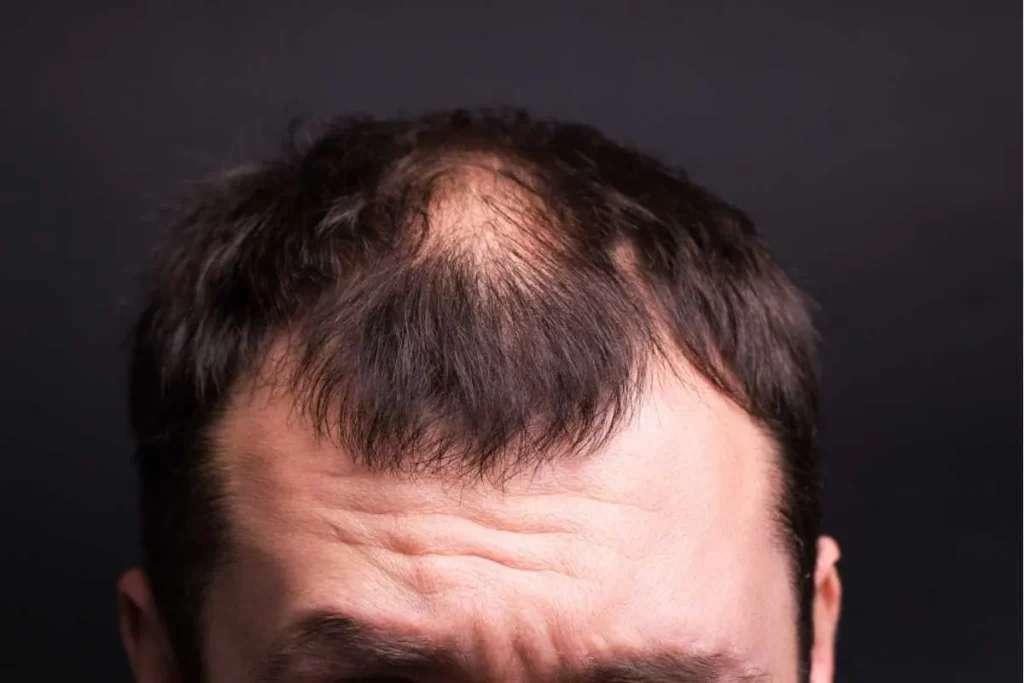
Before you can effectively prevent going bald, it is essential to recognize why hair loss occurs. The most common cause is alopecia androgenetica, often referred to as male or female pattern baldness. This hereditary condition is driven by the hormone dihydrotestosterone (DHT), which shrinks hair follicles over time.
Other notable causes include:
- Alopecia areata – an autoimmune disorder that leads to sudden patchy hair loss.
- Traction alopecia – hair loss caused by excessive pulling from tight hairstyles.
- Hormonal imbalances – especially during pregnancy, menopause, or thyroid disorders.
- Nutritional deficiencies – lack of iron, zinc, or biotin can weaken hair shafts.
- Stress and chronic inflammation – elevated cortisol levels may accelerate follicle miniaturization.
Understanding the specific type of hair loss you are experiencing guides the selection of appropriate preventive measures. For example, a receding hairline typical of androgenetic alopecia may respond well to DHT-blocking treatments, whereas alopecia areata often requires immunomodulatory therapy.
Below is a quick comparison of the most prevalent hair‑loss conditions:
| Condition | Primary Cause | Typical Pattern | Recommended First‑Line Prevention |
|---|---|---|---|
| Androgenetic Alopecia | Genetic sensitivity to DHT | Gradual thinning on crown and temples | Topical minoxidil, DHT blockers, lifestyle changes |
| Alopecia Areata | Autoimmune attack on follicles | Sudden round patches | Corticosteroid injections, immunotherapy |
| Alopecia tractie | Mechanical stress from hairstyles | Hair loss along hairline | Gentle styling, avoid tight braids |
Identifying your condition early—through a professional scalp examination—sets the stage for a personalized prevention plan that can keep you from going bald.
Lifestyle and Nutrition Habits That Support Hair Growth
One of the most accessible ways to prevent going bald is by adopting habits that nourish hair follicles from the inside out. While genetics play a major role, diet and lifestyle can either exacerbate or mitigate hair‑loss progression.
Key Nutrients for Hair Health
- Eiwit – Hair is made of keratin, a protein; adequate intake supports shaft strength.
- Iron – Essential for oxygen transport; deficiency leads to telogen effluvium.
- Zinc – Regulates hormone levels and supports follicle repair.
- Biotin (Vitamin B7) – Improves keratin infrastructure.
- Omega‑3 fatty acids – Reduce inflammation and improve scalp circulation.
Incorporate foods such as lean poultry, legumes, spinach, pumpkin seeds, and fatty fish at least three times per week.
Technieken voor stressbeheer
Chronic stress elevates cortisol, which can trigger hair follicles to enter the resting phase prematurely. Effective stress‑reduction practices include:
- Mindfulness meditation – 10‑15 minutes daily.
- Regular aerobic exercise – boosts circulation and lowers cortisol.
- Adequate sleep – 7‑9 hours per night for hormonal balance.
By lowering systemic inflammation, you create a more favorable environment for hair growth, directly contributing to your goal of how to prevent going bald.
Habits to Avoid
- Excessive heat styling – damages cuticle and weakens strands.
- Smoking – impairs blood flow to the scalp.
- Crash diets – rapid weight loss can trigger shedding.
Adopting a balanced lifestyle not only improves overall well‑being but also strengthens the hair growth cycle, reducing the likelihood of baldness.
Scalp Care and Topical Solutions
Directly caring for the scalp is another cornerstone in the quest to prevent going bald. A healthy scalp provides the optimal environment for follicles to thrive.
Daily Cleansing Routine
Choose a mild, sulfate‑free shampoo that maintains the scalp’s natural pH (around 5.5). Over‑washing can strip essential oils, while under‑washing may lead to buildup that blocks follicles.
Targeted Topical Treatments
- Minoxidil (5% solution) – FDA‑approved for both men and women; stimulates follicular blood flow.
- Caffeine‑infused serums – shown to counteract DHT effects in laboratory studies.
- Natural oils (rosemary, peppermint) – improve circulation when massaged into the scalp.
Apply these products consistently, typically twice daily, for at least three months before evaluating effectiveness.
Scalp Stimulation Techniques
Regular scalp massage, using gentle circular motions for 3‑5 minutes, can increase micro‑circulation and promote the delivery of nutrients to hair follicles. Consider using a soft‑bristle brush or a specialized scalp massager.
Below is a simple weekly scalp‑care schedule you can follow:
| Day | Activity | Product |
|---|---|---|
| Monday | Wash + Minoxidil | Gentle shampoo, 5% minoxidil |
| Wednesday | Scalp massage + caffeine serum | Natural oil, caffeine serum |
| Friday | Deep‑conditioning mask | Protein‑rich hair mask |
| Sunday | Rest day – no products | — |
Consistent scalp care, combined with proper nutrition, creates a multi‑layered defense against hair loss, helping you answer the question of how to prevent going bald.
Medische behandelingen en professionele opties
When lifestyle changes alone are insufficient, medical interventions can provide a stronger line of defense. Gold City Medical Center offers a range of evidence‑based solutions tailored to individual patterns of hair loss.
Prescription‑Level Therapies
- Finasteride – Oral DHT inhibitor approved for male pattern baldness; reduces hair‑loss rate by up to 90% in clinical trials.
- Low‑level laser therapy (LLLT) – Non‑invasive light treatment that stimulates follicular activity.
- Platelet‑rich plasma (PRP) injections – Concentrated growth factors promote regeneration of dormant follicles.
These treatments are typically administered after a thorough diagnostic work‑up, including blood tests to rule out underlying deficiencies.
Hair Transplant Options
For individuals with advanced thinning or bald spots, hair transplantation remains a reliable solution. Techniques include:
- Folliculaire Eenheidsextractie (FUE) – Individual grafts are harvested and implanted, leaving minimal scarring.
- Follicular Unit Transplantation (FUT) – A strip of scalp is removed, then dissected into grafts.
Both methods are performed by experienced surgeons at Gold City Medical Center, ensuring natural‑looking results that blend seamlessly with existing hair.
Choosing the Right Path
To determine which medical option aligns with your goals, a specialist will assess factors such as:
- Age and stage of hair loss
- Family history of alopecia
- Overall health and medication profile
By integrating professional guidance with daily preventive habits, you maximize the chance of maintaining a full head of hair for the long term.
Preventive Measures for Specific Types of Alopecia
Not all hair loss follows the same pattern, and targeted prevention strategies are essential for conditions like alopecia areata or traction alopecia.
Alopecia Areata
This autoimmune condition often appears as sudden, round patches. Early intervention with topical corticosteroids or intralesional injections can halt progression. Additionally, managing stress and ensuring adequate vitamin D levels have shown supportive benefits.
Alopecia tractie
Common among individuals who frequently wear tight braids, ponytails, or extensions. Prevention focuses on:
- Choosing looser hairstyles
- Limiting the use of hair accessories that pull on the scalp
- Regularly alternating hair parting to reduce localized tension
Vrouwelijk patroon haaruitval
Women often experience diffuse thinning across the crown. Hormonal balance is key; treatments may include topical minoxidil, anti‑androgenic medications, or iron supplementation if deficiency is identified.
Understanding the specific driver behind your hair loss empowers you to apply the most effective preventive actions, ensuring that the steps you take today translate into lasting hair density tomorrow.
Why Choose Gold City Medical Center
Gold City Medical Center combines cutting‑edge technology with a holistic approach to hair health. Our team of board‑certified dermatologists and hair‑restoration surgeons offers personalized assessments, evidence‑based treatments, and state‑of‑the‑art facilities. From nutritional counseling to advanced PRP therapy and FUE transplantation, we provide comprehensive solutions under one roof, ensuring continuity of care and optimal outcomes for anyone seeking to prevent going bald.
Ready to take control of your hair future? Contact Gold City Medical Center today to schedule a comprehensive scalp evaluation and start your personalized prevention plan.
Experience professional expertise, modern treatments, and lasting confidence—your journey to healthier hair begins now.
FAQ
Wat zijn de belangrijkste oorzaken van haaruitval?
The most common causes are androgenetic alopecia, alopecia areata, traction alopecia, hormonal imbalances, nutritional deficiencies, and chronic stress.
Which nutrients are essential for healthy hair growth?
Protein, iron, zinc, biotin (vitamin B7), and omega‑3 fatty acids are key nutrients for strong, growing hair.
How can scalp massage help prevent baldness?
Scalp massage increases micro‑circulation, delivering more nutrients and oxygen to hair follicles, which can stimulate growth.
What are the most effective topical treatments for hair loss?
Minoxidil, caffeine‑infused serums, and natural oils such as rosemary or peppermint are proven topical options.
When should I consider medical treatments like finasteride or PRP?
If lifestyle changes and topical products do not halt progression after 3‑6 months, consult a specialist about prescription therapies.
How does stress affect hair loss and how can I manage it?
Stress raises cortisol, pushing hair follicles into the resting phase; managing stress with meditation, exercise, and adequate sleep can mitigate this effect.
What are the differences between FUE and FUT hair transplant methods?
FUE extracts individual grafts with minimal scarring, while FUT removes a strip of scalp and divides it into grafts, often leaving a linear scar.





