
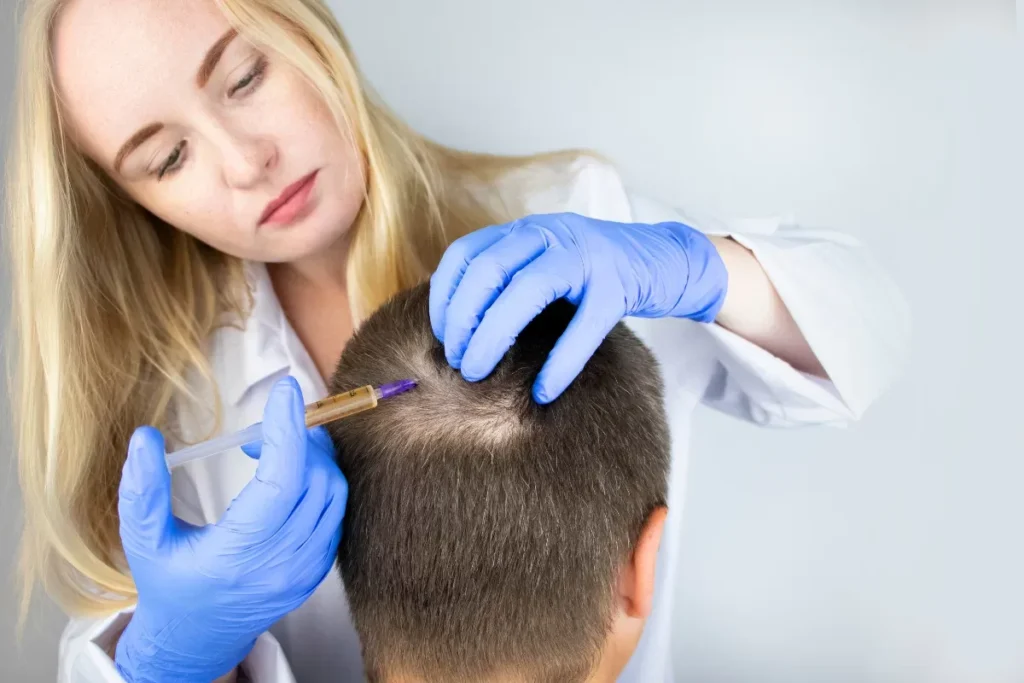
Hair loss is a big problem for millions of men around the world. It really hurts their self-confidence and how they feel about their lives. For a long time, there weren’t many good treatments. But then Propecia (finasteride) came along and changed how we deal with male pattern baldness.
Propecia is the first oral medicine approved by the FDA. It has been shown to make hair grow back and stop it from falling out in men with male pattern baldness. It works by blocking the enzyme 5-alpha reductase. This helps treat hair loss and makes people feel more confident and happy with how they look.
Belangrijkste opmerkingen
Propecia is clinically proven to treat male pattern baldness.
Finasteride inhibits 5-alpha reductase to promote hair regrowth.
Propecia is effective in regrowing hair and halting progression.
Results are typically noticeable after six months to one year.
Propecia is most effective in men with mild to moderate hair loss.
Understanding Male Pattern Baldness and How Propecia Works
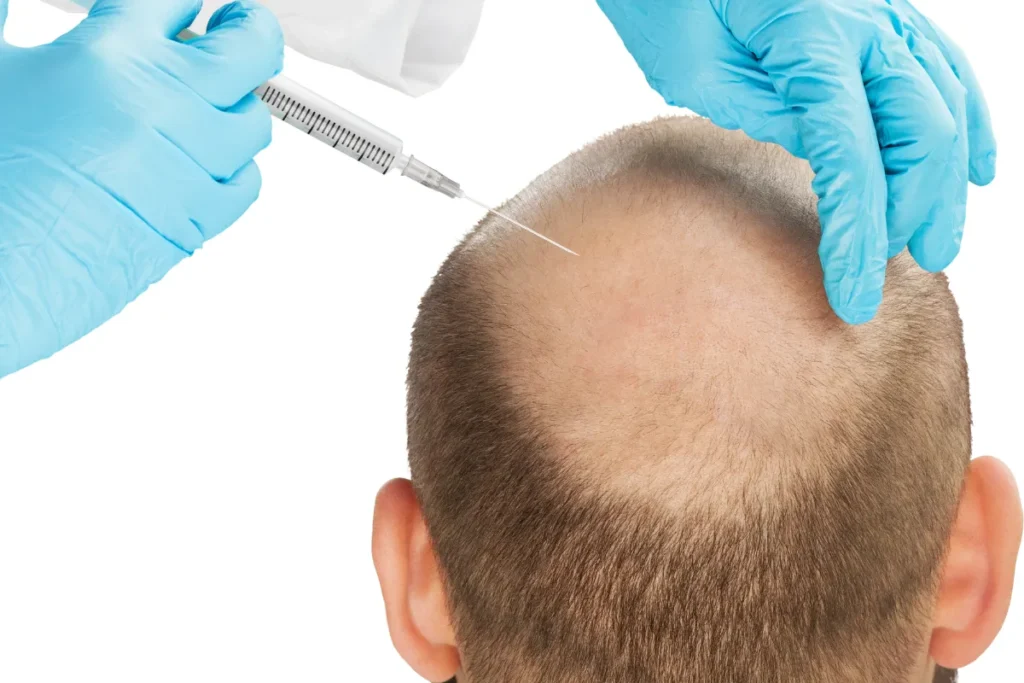
Male pattern baldness, or androgenetic alopecia, is caused by hormones. It’s mainly due to the conversion of testosterone to dihydrotestosterone (DHT). Knowing this helps us see how Propecia aids in hair growth and stops more loss.
The Science Behind DHT and Hair Loss
DHT is a strong form of testosterone that causes hair loss. It shrinks hair follicles, leading to less hair growth. Over time, hair stops growing. Propecia, or finasteride, fights this process.
The Role of 5-Alpha Reductase: This enzyme turns testosterone into DHT. Finasteride blocks this enzyme. This lowers DHT in the scalp, slowing hair loss and possibly growing new hair.
Hoe Finasteride de DHT-productie blokkeert
Finasteride stops the type II 5-alpha-reductase enzyme from turning testosterone into DHT. This lowers DHT, slowing hair loss and sometimes growing new hair. Studies show finasteride works well for male pattern baldness.
Propecia’s success in treating male pattern baldness comes from blocking DHT production. Here’s how finasteride affects DHT levels and hair growth:
Understanding how Propecia blocks DHT and promotes hair growth helps people choose the right treatment for male pattern baldness.
Does Propecia Work? Clinical Evidence and Research
Propecia is proven to fight hair loss thanks to lots of research. It’s known as finasteride and has been studied a lot. These studies look at how well it works against male pattern baldness.
Landmark Studies with 1,500+ Men
Many important studies with over 1,500 men show finasteride works well. These studies found that taking finasteride 1 mg a day helps a lot. It makes more hair grow and slows down hair loss.
Statistical Hair Count Improvements
Studies have shown how well Propecia works by counting hair. One study found that finasteride made about 107 hairs more at one year and 138 more at two years than a placebo. This shows it can stop hair loss and even make hair grow back.
Effectiveness Rates in Meta-Analyses
Meta-analyses combine data from many studies to prove Propecia’s success. They show finasteride works much better than a placebo for hair loss. The results show many men get moderate to dense regrowth of hair, making it a great treatment.
Looking at all the research, it’s clear Propecia is a good choice for hair loss. The studies, hair count data, and meta-analyses all agree. They show Propecia can help hair grow back and stop it from falling out.
Propecia Results: What to Realistically Expect
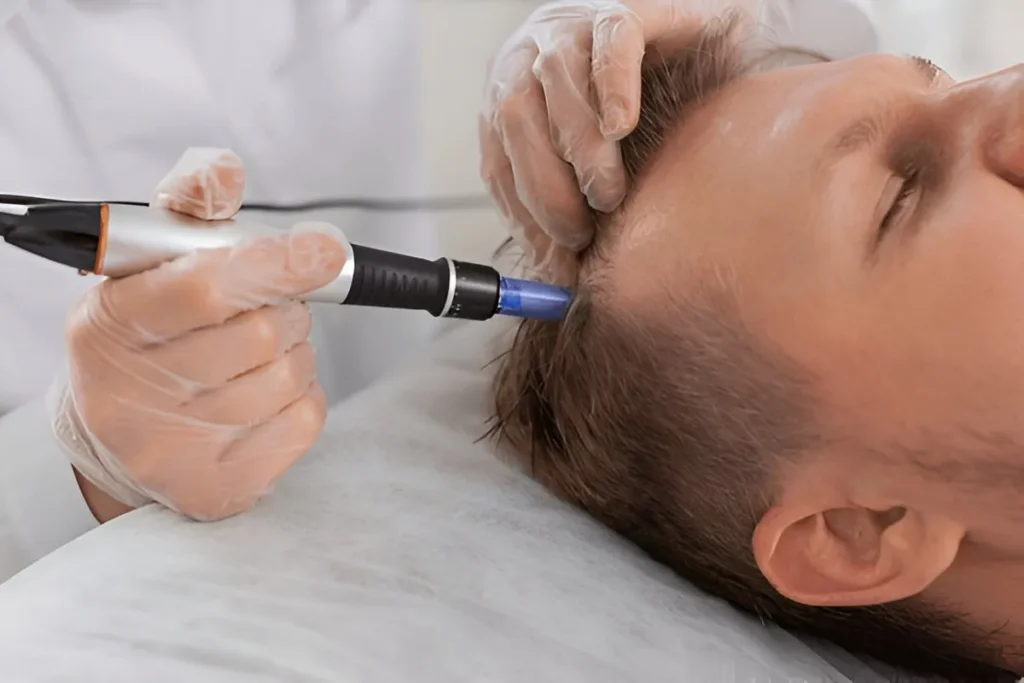
Propecia’s effects on hair loss and regrowth differ from person to person. It’s important to know what typical results are and what can affect them. When you start Propecia, you might wonder what changes you’ll see and when.
First Year Results: Halting Loss vs. Regrowth
In the first year of Propecia treatment, you can see big changes. Studies show that finasteride treatment resulted in clinically significant increases of approximately 107 hairs at one year compared to a placebo. This time is key because it shows how well the treatment works for you.
The main benefits in the first year are:
Stopping hair loss
Seeing hair regrowth, mainly in thinning areas
Getting thicker hair
Long-Term Efficacy (2-5 Years)
Using Propecia for a long time keeps showing good results. Studies found that hair count improvements continue up to two years, with an increase of approximately 138 hairs compared to a placebo. It’s important to keep taking Propecia to keep the hair growth going.
Long-term benefits include:
More hair growth
Keeping the hair you have
Thicker hair
Factoren die de individuele respons beïnvloeden
Many things can change how Propecia works for you, such as:
How much hair you lose at the start
Sticking to the treatment
How well you tolerate finasteride
Other health issues
Knowing these factors helps set realistic hopes and get the most from Propecia. Being informed and patient can help you get the best results from your treatment.
Conclusion: Weighing the Benefits for Your Hair Loss Journey
Propecia, with its active ingredient finasteride, is a proven oral treatment for male pattern baldness. Does finasteride really help with hair regrowth? Yes, research shows it can make hair grow and slow down loss in men.
Knowing Propecia is finasteride is key. It’s a well-studied drug for hair loss treatment. Studies prove it can greatly improve hair count and scalp coverage, helping with hair growth.
Even though Propecia is mostly safe, some men might face side effects. These can include lower sex drive, erectile issues, and less semen. It’s important to weigh these against the benefits of hair growth.
In the end, Propecia is a good option for men with male pattern baldness. It can help them regain confidence in their looks. By looking at the science and understanding the effects, people can decide if Propecia is right for them.
FAQ
How effective is Propecia in treating male pattern baldness?
Propecia has been proven to treat male pattern baldness well. Studies show it increases hair count and reduces hair loss.
Does Propecia really work for hair regrowth?
Yes, Propecia helps men with male pattern baldness grow more hair. It improves hair density and count.
How does Propecia work to treat hair loss?
Propecia blocks dihydrotestosterone (DHT), a hormone that causes hair loss. This slows down hair loss and promotes growth.
What can I expect from Propecia treatment in the first year?
In the first year, Propecia slows down hair loss. Some men see noticeable hair growth. Results vary.
Is Propecia effective for long-term hair loss treatment?
Yes, Propecia works well for long-term hair loss. Continued use keeps hair count high and loss low.
What factors affect individual response to Propecia treatment?
Many things can affect how Propecia works for you. These include how much hair you’ve lost, your age, and genetics.
Can Propecia regrow hair that has been lost?
Propecia can help regrow lost hair. But, how much hair grows back varies. It works best for mild to moderate loss.
How long does it take to see results from Propecia treatment?
Seeing results from Propecia can take months to a year or more. It works slowly to stop hair loss and promote growth.
Is Propecia the same as finasteride?
Yes, Propecia is another name for finasteride. It’s used for male pattern baldness and is also available as a generic.
Referenties
Nationaal Centrum voor Biotechnologie-informatie. Evidence-Based Medisch Inzicht. Opgehaald van https://pubmed.ncbi.nlm.nih.gov/9777765/





