
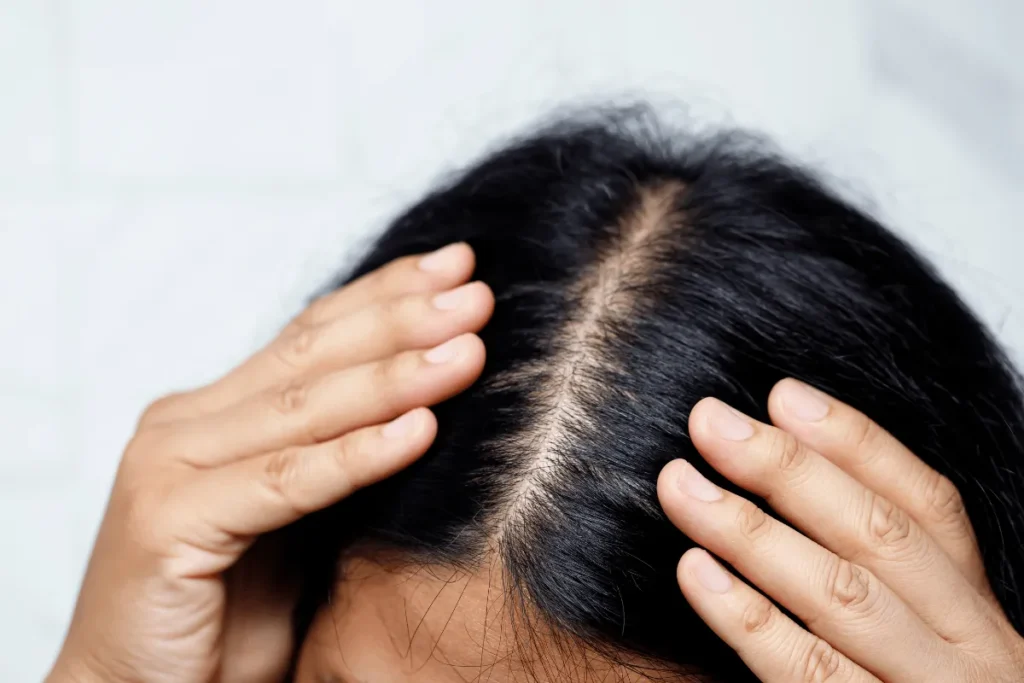
Seeing hair thinning or a wider part line can upset you, even more so in your 20s. You’re not alone; about 12 percent of women start losing hair before they’re 29. At Liv Hospital, we get how hard early hair loss can be. We’re here to offer care that’s focused on you and backed by science.
Early action is key to fight female balding well. Knowing why, how, and how to treat it helps young women act fast. For more on hair loss in young women, check out our journal on hair loss in females in their.
Belangrijkste opmerkingen
Female pattern baldness can start as early as the mid-20s.
Approximately 12 percent of women experience hair loss before age 29.
Early intervention is key to manage hair loss well.
Knowing the reasons, signs, and treatments is vital.
Young women can take steps to fight their hair loss.
Understanding Female Pattern Baldness in 20s
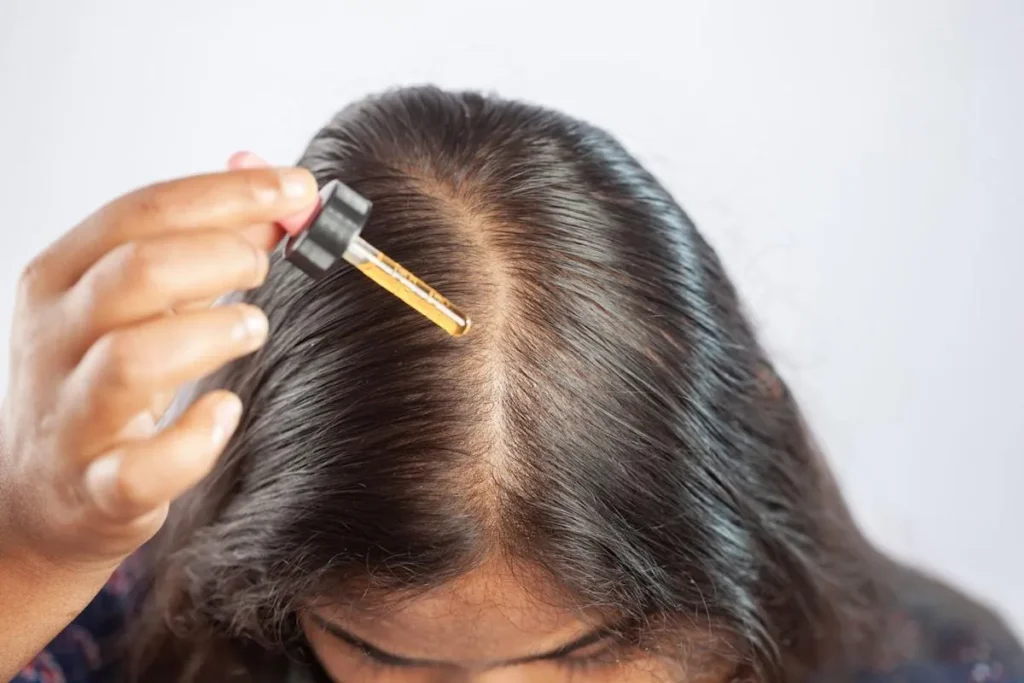
Women in their 20s might notice changes in their hair. These changes can signal the start of female pattern baldness. This condition, also known as early androgenetic alopecia, can worry young women. Hair is a big part of their identity.
How Female Pattern Baldness Presents in Young Women
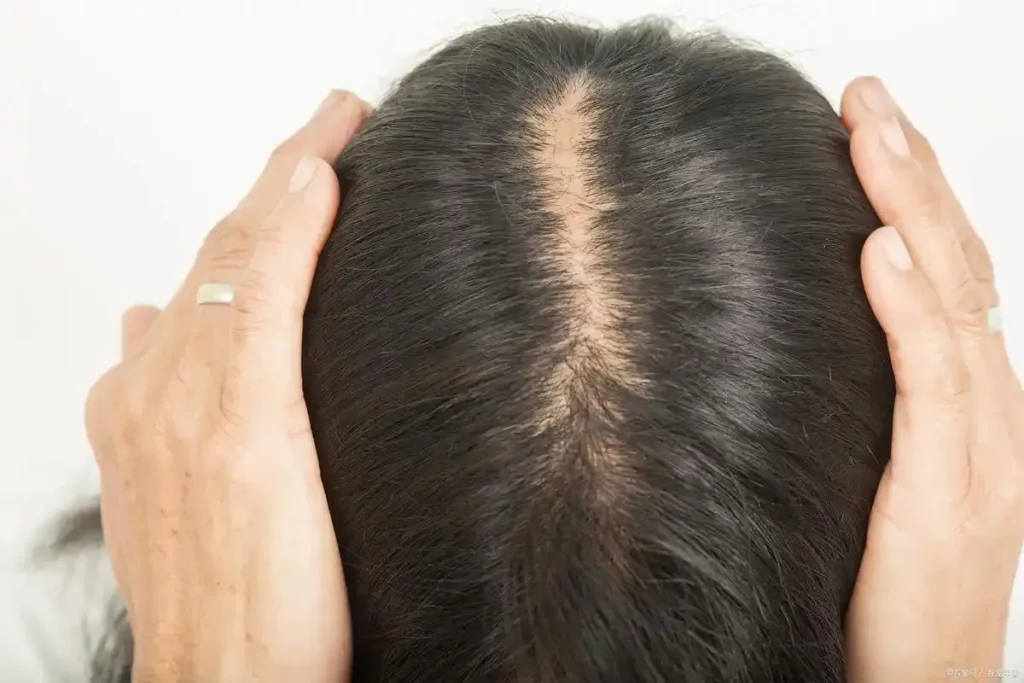
Female pattern baldness looks different from male baldness. Women don’t get receding hairlines or clear bald spots. Instead, they see hair thinning all over the scalp.
This thinning can make the center part wider. It also lowers hair density, mainly on the top of the head or crown.
De belangrijkste kenmerken zijn:
Increased shedding during daily activities like washing or combing
A lack of volume, making hair appear limp
Weaker strands that are more prone to breakage
Vroege waarschuwingssignalen om op te letten
It’s important to spot the early signs of female pattern baldness. This helps with early treatment. Some warning signs are:
As one expert says, “Early detection of female pattern baldness can significantly impact the effectiveness of treatment options.” Being aware of these changes helps young women take action early.
Primary Causes of Early-Onset Female Pattern Hair Loss
It’s important for young women to know why they might lose their hair early. Several things can cause this, making it a tough problem to solve.
Genetische factoren en familiegeschiedenis
Genetics play a big part in female pattern baldness. If your mom or grandma lost hair, you might too. Family history is a key sign of your risk.
Hormonal Imbalances and PCOS
Hormonal changes, like those in polycystic ovary syndrome (PCOS), can lead to hair loss. PCOS can make hair loss worse.
Nutritional Deficiencies and Diet
Lack of iron and vitamin D can weaken hair, leading to loss. A diet without key nutrients can make things worse.
Chronic Stress and Its Impact
Stress is another big factor in hair thinning and loss. It can mess up the hair growth cycle, causing more shedding.
Knowing the causes helps young women fight hair loss. They can start managing their hair loss and maybe even grow new hair. It’s key to tackle the root causes for a good treatment plan.
Conclusion: Managing and Treating Hair Loss in Your 20s
Female pattern baldness in young women can be upsetting. But, it’s not a problem you can’t tackle. Knowing the reasons and signs is key to finding good treatments.
Women in their 20s who are losing hair can start early treatments. This can really help slow down hair loss and even help hair grow back.
Managing early androgenic alopecia in women involves many steps. This includes changing your lifestyle, using creams or pills, and sometimes SMP. Taking action early can help women feel more confident and manage thinning hair.
Young women should get professional help to find the best treatments for them. With the right plan, they can look radiant and feel beautiful, even with hair loss.
FAQ
What is female pattern baldness, and how does it differ from male pattern baldness?
Female pattern baldness, also known as androgenetic alopecia, is a condition where hair thins out across the scalp. It’s different from male pattern baldness because it doesn’t lead to complete baldness. Instead, it causes noticeable thinning of hair.
What are the early warning signs of female pattern baldness in young women?
Young women might notice more hair falling out, less volume, and weaker hair strands. The first signs often include a wider center part or thinning at the crown.
What causes early-onset female pattern hair loss?
Causes include genetics, hormonal imbalances (like PCOS), and nutritional deficiencies (such as iron and vitamin D lack). Chronic stress also plays a role.
Can female pattern baldness be treated, and what are the available treatment options?
Yes, it can be treated. Options include medications, lifestyle changes, and advanced treatments like Scalp Micropigmentation (SMP).
How effective is early intervention in managing female pattern baldness?
Early treatment is key. It can make treatments more effective, slow down hair thinning, and even help hair grow back.
At what age can female pattern baldness start, and how common is it in young women?
It can start as early as the mid-20s. About 12 percent of women experience hair loss before they’re 29.
How can young women manage their hair loss and regain their confidence?
Understanding causes and symptoms, trying different treatments, and focusing on holistic hair care can help. Young women can manage hair loss and boost their confidence.
Is female pattern baldness just a cosmetic issue, or can it have a deeper impact?
It’s not just about looks. Female pattern baldness can deeply affect a woman’s self-esteem and confidence.
Referenties
Nationaal Centrum voor Biotechnologie-informatie. Evidence-Based Medisch Inzicht. Opgehaald van https://pubmed.ncbi.nlm.nih.gov/11251566/





