

Men with androgenic alopecia have a proven solution. Finasteride is an FDA-approved drug. It’s a scientifically-backed way to fight hair loss.
Finasteride stops testosterone from turning into dihydrotestosterone (DHT). This helps keep your hair and grow new ones. It’s a key treatment for men wanting to keep their hair.
Belangrijkste opmerkingen
Finasteride is an FDA-approved treatment for androgenic alopecia.
Het werkt door de omzetting van testosteron in DHT te remmen.
Reducing DHT levels helps to maintain existing hair and promote new hair growth.
Finasteride is a clinically proven solution backed by decades of research.
It is recognized by healthcare organizations worldwide as a cornerstone treatment.
Understanding Finasteride for Androgenic Alopecia
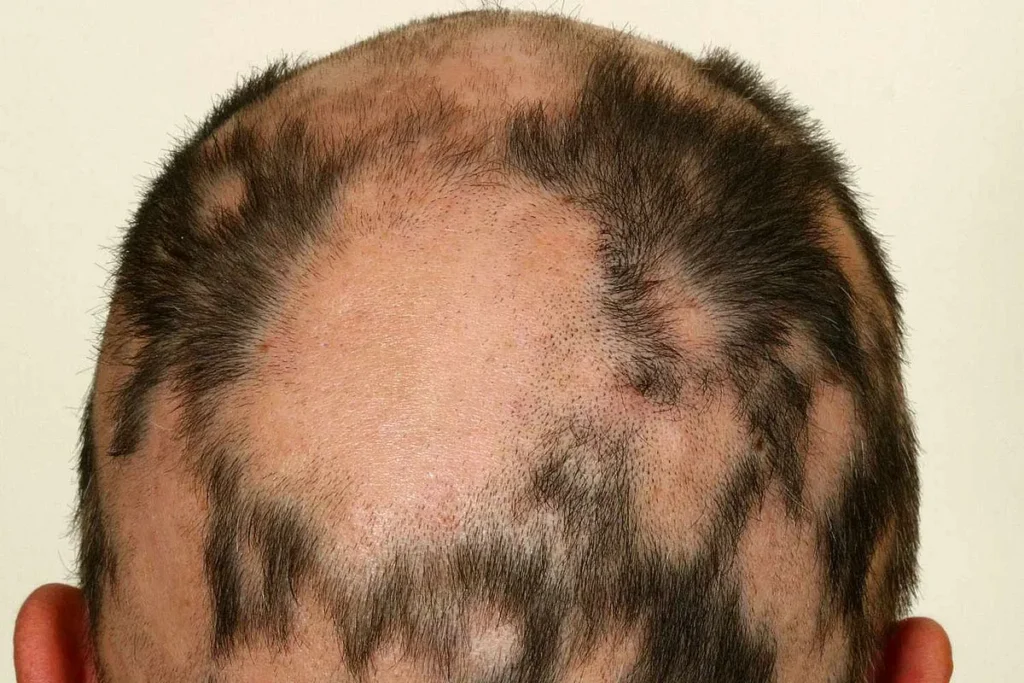
To understand how finasteride works, we need to know about androgenic alopecia. This condition, also known as male/female pattern baldness, causes hair to thin and fall out, mainly on the scalp.
What is Androgenic Alopecia?
Androgenic alopecia is a common hair loss condition in both men and women. It looks different in each gender. Men often see their hairline recede, while women notice their hair thinning and part line widening.
Genetics, hormones, and age play a role in this condition. The main hormone causing hair loss is dihydrotestosterone (DHT), a strong form of testosterone.
The DHT Connection in Hair Loss
DHT causes hair loss by shrinking hair follicles. This makes hairs thinner and shorter, leading to less hair over time.
Finasteride stops the Type II 5-alpha-reductase enzyme from making DHT. With less DHT, hair loss slows down, and hair can even grow back.
FDA Approval and Scientific Evidence
Finasteride is FDA-approved for treating male pattern hair loss (androgenic alopecia) under the brand name Propecia. Many studies have shown it increases hair count and improves scalp coverage.
These studies show finasteride lowers DHT levels by 65-70 percent within 24 hours at the usual 1 mg dose. Lowering DHT is key to slowing androgenic alopecia.
Proper Usage and Dosage Guidelines

To get the best results from Finasteride for androgenic alopecia, knowing how to use it is key. Finasteride is proven to help with male pattern hair loss. But, it works best when used correctly and regularly.
Recommended Dosage for Hair Loss
The right dose for treating male pattern hair loss with Finasteride is 1 mg a day. Studies show men taking Finasteride kept or grew more hair on their scalps in the first year. It’s important to stick to the recommended dose to get the most out of Finasteride.
Best Time to Take Finasteride
Finasteride can be taken at any time, but taking it at the same time every day is best. Creating a routine helps you remember to take it. It doesn’t matter if you take it in the morning or evening, just make it a habit.
Consistency and Long-Term Commitment
Being consistent is vital when using Finasteride for androgenic alopecia. It’s not a fast solution but a long-term plan. Patients need to commit to daily treatment for at least 3-6 months to see results. According to guidelines on Finasteride use, ongoing treatment is needed to keep the benefits.
Expected Results and Effectiveness
Finasteride is known to fight androgenic alopecia well. It shows results in a certain time frame. It lowers DHT levels by 65-70 percent, which helps slow hair loss and grow new hair.
Tijdlijn voor zichtbare resultaten
Finasteride can start working in as little as six months. You’ll see a slowing down of hair loss during this time. For hair to grow back, it might take a year or more, depending on your hair loss and health.
It’s important to take finasteride as directed. Sticking to the dosage and treatment plan is key to getting the best results.
Clinical Study Outcomes
Many studies prove finasteride’s success in treating androgenic alopecia. It not only slows hair loss but also helps hair grow back in many users.
Slows down hair loss in a majority of users
Promotes visible hair regrowth
Effective in both men and women, though mainly studied in men
Monitoring and Documenting Your Progress
Keeping track of your finasteride treatment is important. Take photos of your scalp, track hair density, and note any changes in hair loss or growth.
By monitoring your progress, you can see how finasteride is working for you. This helps you make smart choices about your treatment.
Mogelijke bijwerkingen en voorzorgsmaatregelen
It’s important to know about the side effects of Finasteride for safe treatment of androgenic alopecia. Finasteride is usually safe, but knowing the possible side effects helps you make better choices.
Vaak voorkomende bijwerkingen
Finasteride can lead to side effects like less sex drive, trouble getting an erection, and issues with ejaculation. These effects are often mild and may go away over time. But, if they don’t get better or bother you a lot, talk to a doctor.
Common side effects may include:
Decreased libido
Erectile dysfunction
Ejaculation disorders
Rare but Serious Concerns
Finasteride can also cause serious side effects like high-grade prostate cancer and breast cancer. These risks are rare, but it’s good to know about them and talk to your doctor.
Rare but serious concerns may include:
High-grade prostate cancer
Breast cancer
Allergic reactions
Who Should Avoid Finasteride
Some people should not take Finasteride because of health risks. Women who might get pregnant should not use it. This is because Finasteride can pass through the skin and harm the unborn baby.
Precautions for specific groups:
Women who are pregnant or may become pregnant
Individuals with certain medical conditions, such as liver disease
Before starting Finasteride, talk to a doctor about your health history and any worries. This way, you get advice that fits your situation.
Conclusie
Finasteride is a scientifically-proven way to fight androgenic alopecia, a common hair loss issue. It helps keep the hair you have and even grows new ones. This brings back the confidence and glow to those dealing with it.
Knowing the benefits of finasteride helps people choose the right treatment. Studies show it slows down hair loss and encourages new growth. This makes it a reliable choice for many.
To get the best results, follow the usage guidelines and talk to a doctor. They can help decide if finasteride is good for you. Its advanced formula and proven results make it a game-changer for fuller hair.
Choosing finasteride for your hair loss treatment is a big step. It can help you regain your confidence and shine from within.
FAQ
What is Finasteride and how does it work for androgenic alopecia?
Finasteride is a treatment for male pattern baldness. It stops testosterone from turning into DHT. DHT causes hair follicles to shrink.
Is Finasteride FDA approved for treating hair loss?
Yes, Finasteride is FDA approved for treating male pattern hair loss.
What is the recommended dosage of Finasteride for hair loss?
For hair loss, take 1mg of Finasteride orally once a day.
Hoe lang duurt het voordat ik resultaat zie van Finasteride?
Results from Finasteride may take 3-6 months. Daily use is key for best results.
Wat zijn de meest voorkomende bijwerkingen van Finasteride?
Side effects can include low libido, erectile dysfunction, and issues with ejaculation. These are rare and often go away when you stop taking it.
Kunnen vrouwen Finasteride gebruiken tegen haaruitval?
Women should not take Finasteride, as it can harm a fetus if they are pregnant or might get pregnant.
How should I take Finasteride for optimal results?
Take Finasteride daily, at the same time each day. This keeps the levels in your body steady.
Kan Finasteride worden gebruikt in combinatie met andere behandelingen tegen haaruitval?
Finasteride can be used with other treatments. But, talk to a doctor first to avoid any bad interactions.
What is the mechanism of action of Finasteride in treating androgenic alopecia?
Finasteride blocks the enzyme 5-alpha-reductase. This reduces DHT levels, slowing hair loss.
Are there any rare but serious side effects associated with Finasteride?
Rare but serious side effects include breast tenderness, nipple discharge, or allergic reactions. If you have these symptoms, see a doctor right away.
Referenties
National Center for Biotechnology Information. Evidence-Based Medical Insight. Retrieved from https://pubmed.ncbi.nlm.nih.gov/9549274/





