
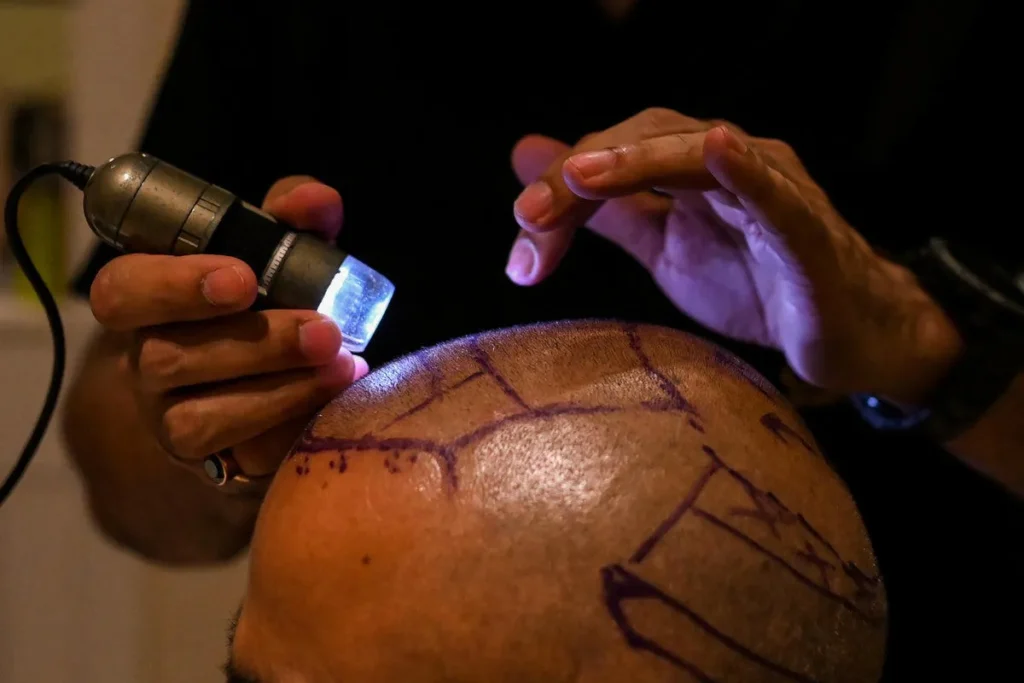
Thinking about hair restoration? Knowing the facts about follicular unit transplantation can help you decide. With a success rate close to 95%, FUT hair transplant is a key method for treating hair loss in men and women.
Fut Surgery can be the best choice for many. Uncover amazing recovery secrets and learn how to manage the donor scar for a flawless look fast.
At top hair restoration clinics like GoldCity Center, care is all about the patient. They use international standards and tailor care for each person. Choosing FUT hair transplant surgery means getting results that have stood the test of time. It’s a reliable choice for those looking to regain their hair.
Belangrijkste opmerkingen
Follicular Unit Transplantation (FUT) has a clinical success rate of nearly 95%, making it a highly effective hair restoration method.
FUT hair transplant surgery is a well-established procedure for treating hair loss.
A patient-centered approach at clinics like GoldCity Center ensures personalized care and natural-looking results.
Understanding the benefits and facts about FUT can help individuals make informed decisions about their hair restoration.
FUT remains a cornerstone of hair restoration, with decades of proven results.
Understanding Follicular Unit Transplantation (FUT)

Learning about FUT is key for those thinking about hair transplants. Follicular Unit Transplantation moves healthy hair follicles from one area to another. This is done to fill in bald spots on the scalp.
What is FUT Hair Transplant?
FUT hair transplant, or strip harvesting, is a way to grow hair in bald spots. First, a thin strip of scalp is taken from the back of the head. This area has hair that’s less likely to fall out.
Then, this strip is cut into small groups of hair follicles. These groups are moved to the bald spots. This method makes the new hair look natural.
The FUT procedure is known for its natural results. It keeps the hair follicles together. This way, the new hair grows like it did before.
The Strip Harvesting Technique Process
The strip harvesting is a big part of FUT hair transplants. It takes a thin strip of scalp from the donor area. This strip is then split into individual hair follicles for transplanting.
The precision in cutting the follicular units is very important. Each unit is checked to make sure it’s whole. This increases the chance of successful hair growth.
Knowing about FUT hair transplant and strip harvesting helps people make better choices. It lets them understand what to expect. This knowledge makes them more confident about their hair transplant journey.
Benefits and Considerations of FUT Surgery
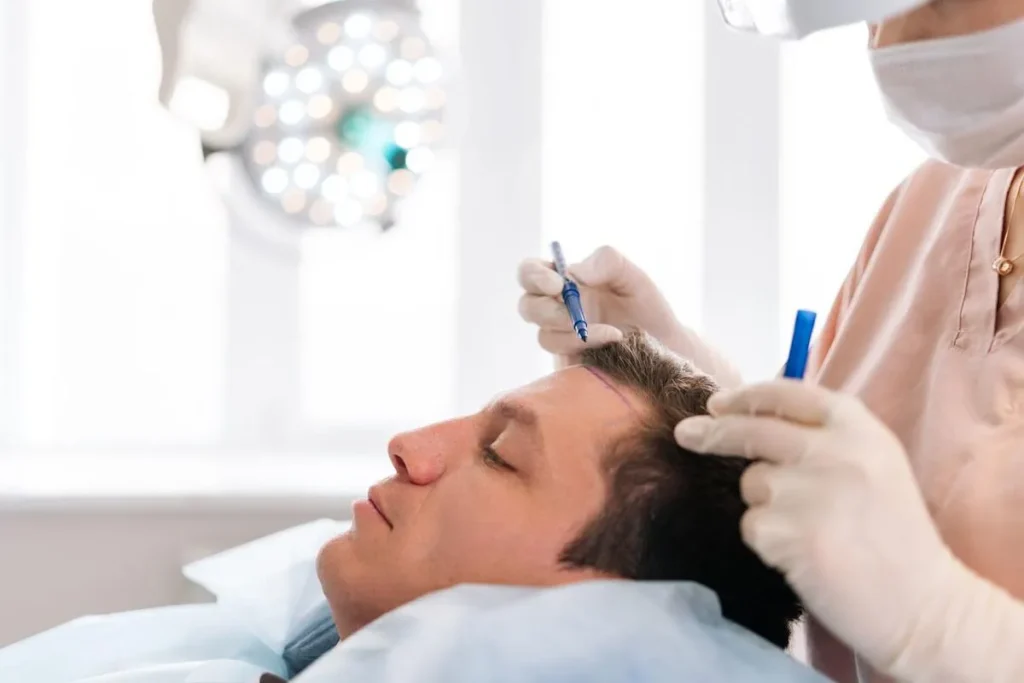
When looking into hair restoration, knowing the good and bad of Follicular Unit Transplantation (FUT) is key. FUT hair transplantation moves hair follicles from one area to another. It’s used to fix balding or thinning hair.
Advantages of FUT Hair Transplantation
FUT works well for those with a lot of hair loss and dense follicles. It lets you get more grafts. This makes it great for big hair restoration needs. The process can lead to a luxury transformation, giving a natural-looking hairline that boosts your look and confidence.
One big plus of FUT is its dramatic results. Patients start seeing changes 6 to 9 months after surgery. These changes get better over the next year. Its success in making hairlines look natural makes it popular for hair restoration.
Potential Drawbacks and Recovery Expectations
But, FUT has downsides too. A linear scar stays after the surgery. This might scare some off. Yet, many see the scar as worth it for the timeless beauty and confidence a new hairline brings.
Recovery times vary, but most can get back to normal in a week or two. It’s important to follow the doctor’s post-op advice to avoid problems and heal well. Knowing what to expect during recovery can greatly affect the success of the surgery.
In summary, FUT hair transplantation has many benefits, like fixing extensive hair loss. While there are downsides, being well-informed and ready can make your transformative journey to thicker hair successful.
Determining If You’re an Ideal Candidate
Starting your journey to a fuller head of hair means checking if FUT hair transplant is for you. It’s best for those with a lot of hair loss and dense follicles.
Hair Loss Patterns Suitable for FUT
FUT hair transplantation works well for male or female pattern baldness. It’s great for:
Those with a lot of hair loss needing many grafts.
People with stable hair loss patterns.
Those looking for a cost-effective way to restore hair.
Donor Area Requirements
The donor area requirements are key for FUT candidacy. The donor area must have dense hair and be stable. Important factors include:
The hair density in the donor area.
The stability of the hair in the donor area.
The color and texture of the hair, affecting the outcome.
FUT Hair Transplant for Women vs. Men
FUT hair transplantation works for both men and women, but there are gender-specific differences. Women often need a more detailed approach because of their hair loss pattern. Key differences are:
Women might need more precise graft placement for a natural look.
Men usually have clearer bald spots, making the process simpler.
The choice between FUE and FUT can vary by gender based on hair loss and personal preferences.
Choosing between FUE and FUT depends on hair loss severity, scalp condition, budget, and recovery preferences. Understanding these factors and talking to a professional can help you decide on FUT surgery.
Conclusie
FUT hair transplant treatment is a top choice for hair loss. It helps people understand follicular unit transplantation (FUT) better. This knowledge is key for those starting their hair restoration journey.
FUT transplantation and other methods can give natural, lasting results. The success depends on choosing the right method for each person’s hair loss and donor area.
Thinking about what is FUT hair transplant? It’s important to know its benefits and downsides. This way, people can get a fuller, more vibrant hair. It boosts their confidence and overall happiness.
In the end, FUT hair transplant surgery is a solid way to look younger and more vibrant. It’s a step towards a more confident, beautiful self.
FAQ
What is FUT hair transplant surgery?
FUT, or Follicular Unit Transplantation, is a hair restoration surgery. It moves hair follicles from one area to another. This is usually to fix balding or thinning hair.
How does the strip harvesting technique work in FUT?
The strip harvesting technique removes a strip of skin with hair from the donor area. Then, it’s cut into individual follicular units for transplanting.
What are the benefits of FUT hair transplantation?
FUT has many benefits. It has a high success rate and gives natural-looking results. It also allows for transplanting many grafts at once.
What are the possible drawbacks of FUT surgery?
FUT might have some drawbacks. These include a linear scar, discomfort after surgery, and a longer recovery time. These are compared to other hair transplant methods.
Is FUT hair transplant suitable for women?
Yes, FUT is suitable for women with hair loss. It works best for those with enough donor hair and the right hair loss pattern.
How long does it take to recover from FUT surgery?
Recovery from FUT surgery takes about one to two weeks. During this time, patients might feel some discomfort, swelling, and scabbing.
What is the difference between FUT and other hair transplant methods?
FUT uses a strip harvesting technique and transplants follicular units. This is different from FUE, which extracts individual hairs.
Can FUT hair transplant be combined with other hair restoration treatments?
Yes, FUT can be used with other treatments. These include medication or low-level laser therapy. They help improve results and hair health.
What is microscopic follicular unit transplant?
Microscopic follicular unit transplant uses a microscope to prepare grafts. This ensures precision and minimizes damage to the grafts.
How is the donor area evaluated for FUT surgery?
The donor area is checked for density, texture, and health. This helps decide if the hair is good for transplanting and plans the harvesting strategy.
REFERENCE
Nationaal Centrum voor Biotechnologie-informatie. Evidence-Based Medisch Inzicht. Opgehaald van https://pmc.ncbi.nlm.nih.gov/articles/PMC4835398/





