
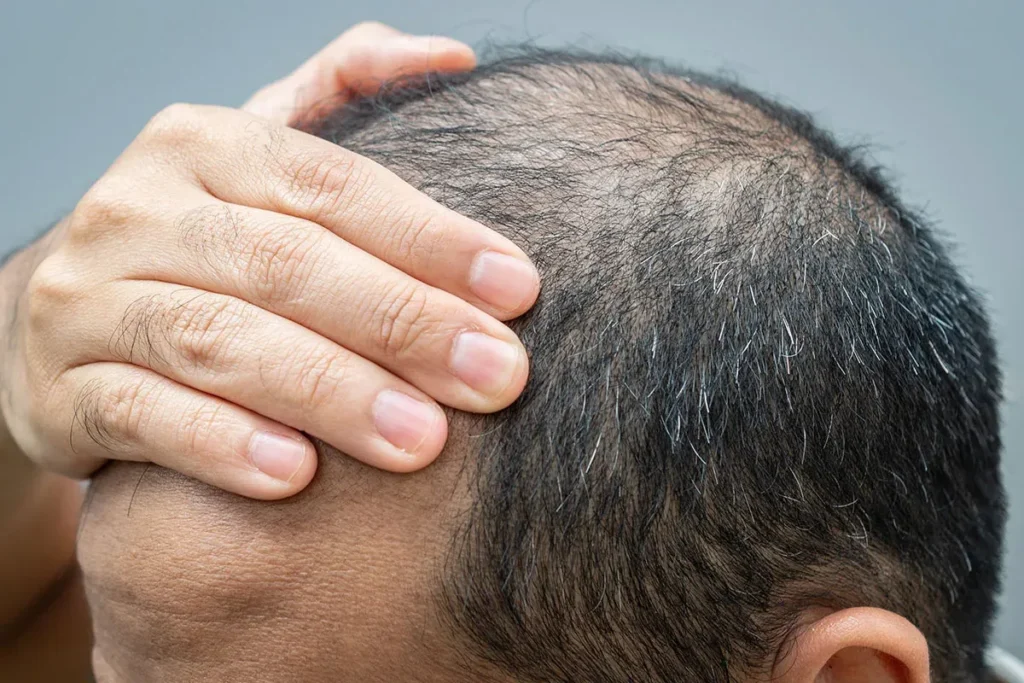
For many, hair loss can be very distressing. It’s often caused by autoimmune disorders, not just genetics or aging. When the immune system attacks healthy hair follicles, it can cause unpredictable and severe hair loss.
It’s important to understand why this happens to find the right treatment. Alopecia areata is a well-known autoimmune disease that leads to hair loss. It affects about 7 million people in the United States.
By learning about the causes and how to manage autoimmune-related hair loss, people can start to feel better. They can regain their confidence and find successful treatments.
Belangrijkste opmerkingen
Autoimmune diseases can cause significant hair loss worldwide.
Alopecia areata is a common autoimmune disease leading to hair loss.
Understanding the underlying cause is key for effective treatment.
Managing autoimmune-related hair loss needs a complete approach.
Reclaiming confidence is possible with the right treatment and support.
Understanding Hair Loss Autoimmune Disorders
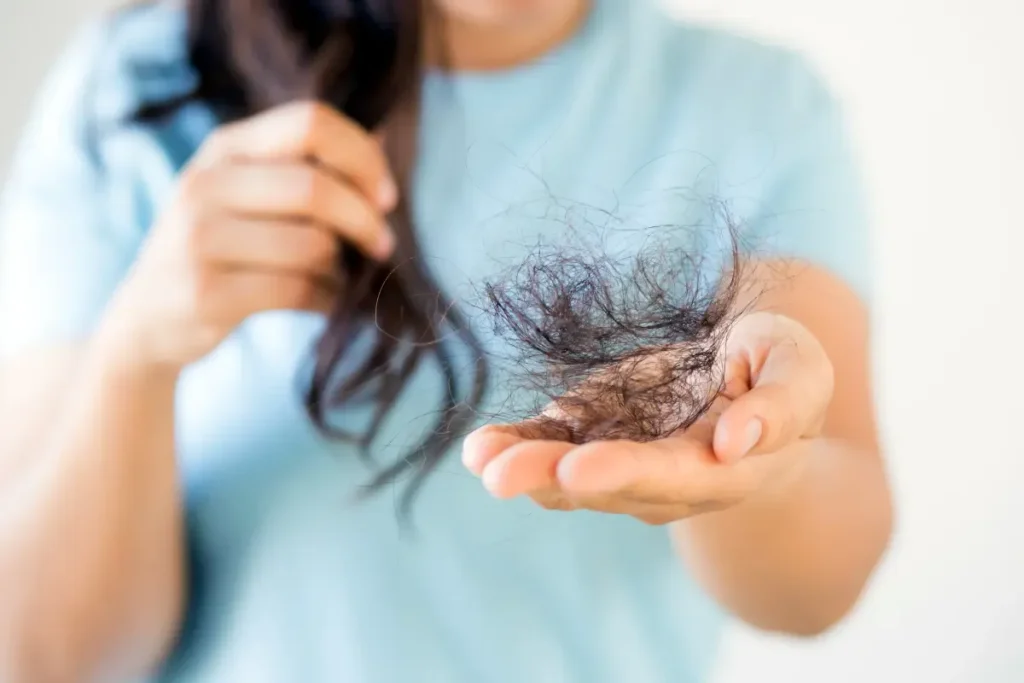
Autoimmune diseases and hair loss are closely linked. These conditions affect people in different ways. Hair loss happens when the body’s immune system attacks hair follicles.
Attacking Hair Follicles
Autoimmune diseases can harm hair follicles. Conditions like alopecia areata make the immune system attack these follicles. This results in patchy hair loss.
“The immune system’s mistaken attack on hair follicles can lead to significant distress and impact an individual’s quality of life,” says a leading dermatologist.
In autoimmune hair loss, the immune system sees hair follicles as enemies. It attacks them, causing inflammation and damage. This can lead to hair loss, from small patches to complete baldness.
Prevalentie en psychologische impact
Millions of people worldwide suffer from autoimmune hair loss. It has a big psychological impact. People feel insecure, have low self-esteem, and get anxious.
They often feel embarrassed about how they look. This can make them shy away from social interactions and affect their happiness.
It’s important to understand how common and emotionally challenging autoimmune hair loss is. Healthcare providers need to offer more than just physical treatment. They should also help with the emotional side of this condition.
As a patient advocate notes, “Living with autoimmune hair loss requires resilience and support. It’s essential to address the emotional impact to improve overall quality of life.”
Common Autoimmune Diseases That Cause Hair Loss

Autoimmune diseases can harm hair health, leading to hair loss. These diseases happen when the immune system attacks healthy tissues, like hair follicles. This leads to hair loss and other problems.
Alopecia Areata
Alopecia areata is an autoimmune disease that causes patchy hair loss. It often affects the scalp but can also happen on other parts of the body. The immune system attacks hair follicles, causing hair to fall out. In severe cases, it can cause complete baldness.
There are treatments for alopecia areata. These include medicines that calm the immune system. This helps reduce inflammation and can help hair grow back. Sometimes, hair may grow back on its own, but treatment can help manage the condition and encourage regrowth.
Thyroid Disorders: Hashimoto’s and Graves Disease
Thyroid disorders, like Hashimoto’s thyroiditis and Graves’ disease, affect the thyroid gland. These conditions can lead to hormonal imbalances that cause hair loss. Hashimoto’s thyroiditis usually causes hypothyroidism, while Graves’ disease causes hyperthyroidism.
Hair loss from thyroid disorders can be treated by managing the thyroid condition. Medications that control thyroid hormone levels can help restore normal hair growth.
Systemic Lupus Erythematosus and Other Connective Tissue Disorders
Systemic lupus erythematosus (SLE) is a chronic autoimmune disease that can affect many parts of the body. It can cause hair loss, making hair brittle and prone to breakage. This is often seen during disease flare-ups.
Managing SLE and hair loss involves a detailed treatment plan. This may include medicines to reduce inflammation and suppress the immune system. Making lifestyle changes can also help lessen symptoms.
It’s important to understand how autoimmune diseases affect hair health. By treating the underlying condition, people can improve their hair health and overall well-being.
Medical Treatment and Management Strategies
Managing hair loss from autoimmune diseases needs a full plan. This plan includes medical treatments and changes in lifestyle. It’s important to know the cause of hair loss and tailor treatments for the specific disease.
Diagnosis and Testing Procedures
Finding the right diagnosis is key to understanding hair loss. Tests might include blood tests for autoimmune antibodies, scalp biopsies to look at hair follicles, and other checks to rule out other issues. For more on autoimmune diseases and hair loss, check this resource.
Medication Options and Immunotherapy
Medicines are key in managing hair loss from autoimmune diseases. Corticosteroids and immunotherapy can lessen inflammation and help hair grow back. Treatment choices might include:
Corticosteroid injections to reduce inflammation
Immunotherapy to change how the immune system works
Topical treatments to encourage hair growth
Topical Treatments and Hair Regrowth Stimulants
Topical treatments and hair growth stimulants can help hair grow. Minoxidil is a common treatment that can stimulate hair growth. Other options include:
Anthralin cream to slow down skin cell growth
Topical corticosteroids to lessen inflammation
Lifestyle Modifications to Reduce Flare-ups
Making lifestyle changes can help lessen flare-ups and improve overall health. Stress reduction techniques like meditation and yoga can help manage stress, a common trigger for autoimmune diseases. Eating changes, like avoiding gluten or dairy, might also help.
By using these medical treatments and lifestyle changes, people with autoimmune hair loss can manage their condition and help their hair grow back.
Conclusion: Coping and Living Well With Autoimmune Hair Loss
Dealing with autoimmune hair loss can be tough, but there are ways to manage it. Understanding why hair loss happens and finding good treatments helps. It’s important to tackle the root cause to manage hair loss from autoimmune diseases.
Handling autoimmune scalp disorders needs a full approach. This includes medical care, lifestyle changes, and emotional support. Taking care of your overall health, like reducing stress and practicing self-care, helps a lot. Knowing which autoimmune diseases cause hair loss is also key to getting the right help.
With the right mindset, people can regain their confidence and self-acceptance. Taking charge of their condition and making smart choices can help them shine. Embracing a journey towards hair growth and wellness is essential for living well with autoimmune hair loss.
FAQ
What autoimmune diseases cause hair loss?
Autoimmune diseases like alopecia areata, thyroid issues, and systemic lupus can cause hair loss. These conditions lead to hair loss due to inflammation, hormonal imbalances, and immune system problems.
How do autoimmune diseases attack hair follicles?
Autoimmune diseases attack hair follicles, causing conditions like alopecia areata. The immune system sees the follicles as foreign and attacks them, leading to hair loss.
Can autoimmune disease cause hair loss on other parts of the body beside the scalp?
Yes, diseases like alopecia areata can cause hair loss on eyebrows, eyelashes, and body hair, not just the scalp.
What is the prevalence of autoimmune hair loss?
About 7 million people in the U.S. have alopecia areata. Worldwide, millions suffer from autoimmune diseases that lead to hair loss.
How is autoimmune hair loss diagnosed?
Doctors use tests to find the cause of hair loss. This includes blood tests, scalp biopsies, and looking at medical history to pinpoint the disease.
What are the treatment options for autoimmune hair loss?
Treatments include medications like corticosteroids and immunotherapy, topical treatments, and hair growth stimulants. Changing your lifestyle, like reducing stress and eating right, can also help.
Can autoimmune hair loss be managed?
Yes, managing autoimmune hair loss requires a mix of medical treatment, lifestyle changes, and alternative therapies. Understanding the cause and finding effective treatments can help regain hair and confidence.
How can I cope with autoimmune hair loss?
Coping involves medical treatment, lifestyle changes, and emotional support. Focusing on well-being, stress reduction, self-care, and emotional support helps find confidence and self-acceptance.
Are there any lifestyle modifications that can help reduce autoimmune hair loss flare-ups?
Yes, reducing stress, changing your diet, and getting enough sleep can help manage flare-ups and improve overall health.
Referenties
Nationaal Centrum voor Biotechnologie-informatie. Evidence-Based Medisch Inzicht. Opgehaald van https://pmc.ncbi.nlm.nih.gov/articles/PMC10015649/





