
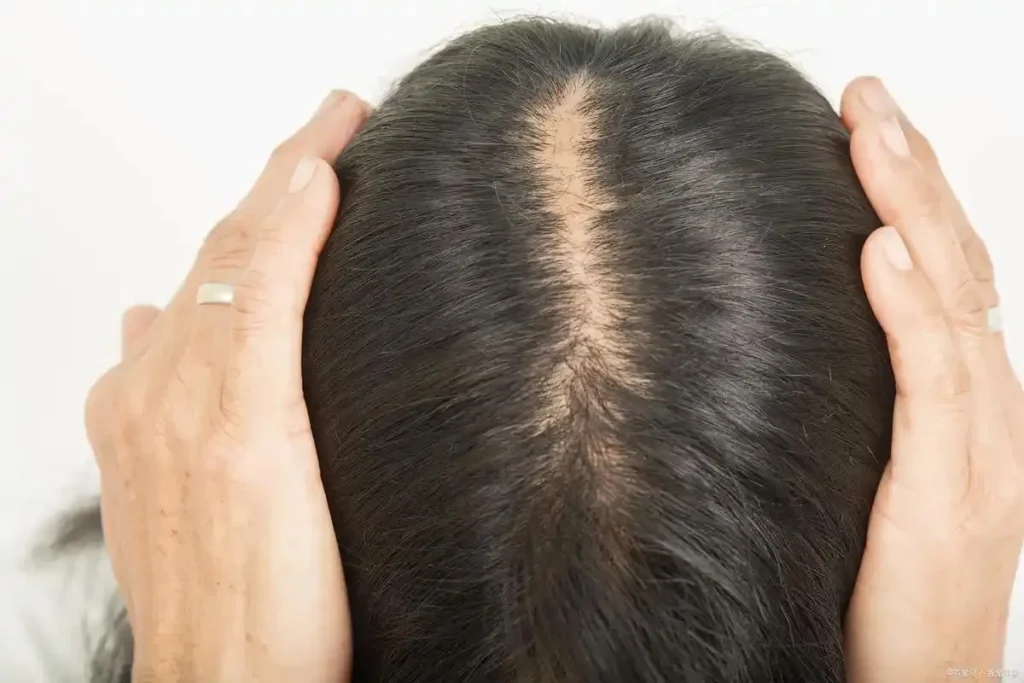
Seeing your hair thinning on one side can be scary, but you’re not alone. About 80% of men and 50% of women will face hair loss at some point.
Dealing with uneven hair loss can be really worrying. It gets worse without any clear reason. At GoldCity Center, we focus on you. We use the latest tools and make plans just for you to tackle this issue.
Knowing why your hair thinning on one side happens is key to fixing it. Our team is here to help you look and feel great again. We want to help you get your confidence back.
Belangrijkste opmerkingen
Hair thinning on one side is a common concern affecting millions globally.
Uneven hair loss can be a sign of an underlying medical condition.
Advanced diagnostic techniques can help identify the cause of hair thinning.
Personalized treatment plans can address hair loss and promote regrowth.
A patient-centered approach ensures complete care and support.
Understanding Asymmetrical Hair Thinning
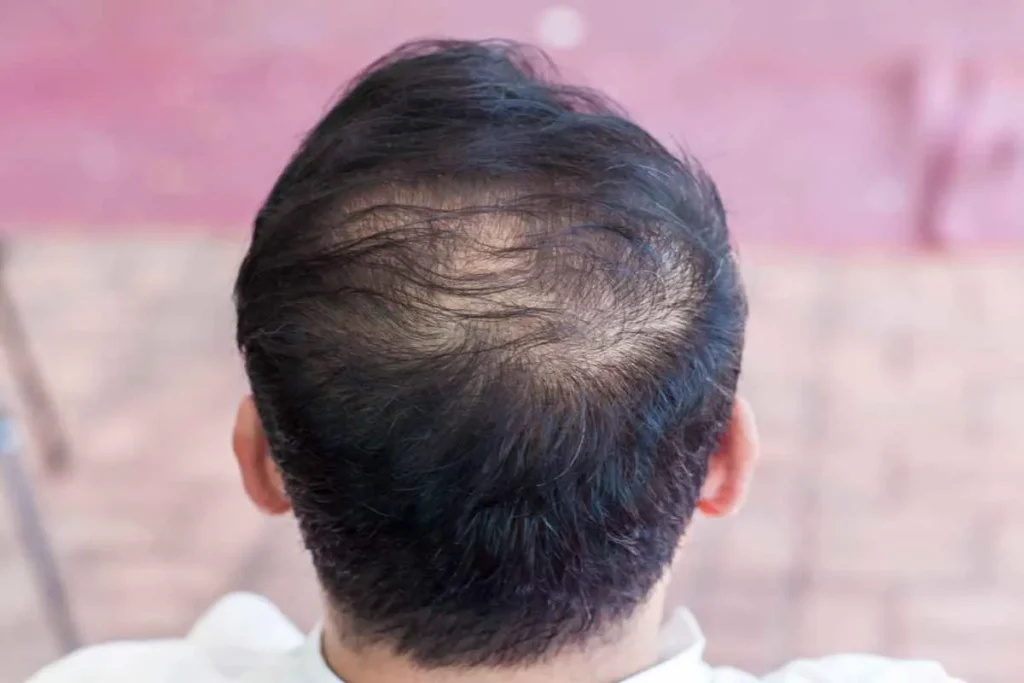
One-sided hair thinning is different from common baldness. It happens when hair thins or falls out mostly on one side of the scalp. This can show up as small patches or thinning over a bigger area.
Many things can cause one-sided hair thinning. These include autoimmune diseases, hair loss from tight hairstyles, and injuries. Knowing the cause helps find the best treatment.
How One-Sided Thinning Differs from Pattern Baldness
Unlike common baldness, which is symmetrical, one-sided hair thinning is not. This means it points to different causes and might need different treatments. For example, asymmetrical hair loss might be linked to specific conditions not seen in symmetrical balding.
Prevalentie en demografie
Research is ongoing on how common asymmetrical hair thinning is. It’s known to affect many people. Both men and women can get it, but the reasons might differ.
Knowing who gets asymmetrical hair thinning and why helps in making better treatments and prevention plans.
Common Causes of Hair Loss from One Side

Hair loss on one side of the head can come from many sources. These include autoimmune conditions and how we style our hair. Knowing what causes it helps find the right treatment.
Autoimmune Conditions: Alopecia Areata
Alopecia areata is an autoimmune disease that leads to patchy hair loss. It makes hair thin on one side of the scalp. The immune system attacks hair follicles by mistake. Alopecia areata can happen to anyone, and we don’t fully know why, but genetics and environment might play a part.
Seeing a dermatologist is key for diagnosing and treating alopecia areata. They might prescribe medicines to calm the immune system or help hair grow back.
Traction Alopecia from Hairstyles and Extensions
Traction alopecia happens when hair follicles are pulled too hard. This often comes from tight hairstyles or hair extensions. It’s common in people who wear tight braids or ponytails, or use extensions without care.
To prevent traction alopecia, change your hairstyles and give your hair breaks from tight styles. Use gentle hair products and try to avoid heat styling tools.
Physical Trauma and Scarring
Scalp injuries or surgeries can cause hair loss on one side. Sometimes, this can lead to scarring. Scarring can permanently harm hair follicles and stop hair from growing back.
Knowing why you lost hair is important for the right treatment. If scalp trauma happened, see a healthcare professional. They can check the damage and suggest treatments.
Lifestyle Factors Contributing to Asymmetrical Thinning
Our daily lives can affect our hair health, leading to thinning on one side. Lifestyle choices, often unintentionally, can cause hair loss on one side of the head.
Sleeping Position Effects on Blood Circulation
Sleeping on one side can weaken hair follicles by reducing blood flow. Poor blood circulation means less oxygen and nutrients for hair follicles, making hair loss worse.
Try to sleep with your head in a way that spreads pressure evenly. Using a silk or satin pillowcase can also help prevent hair breakage.
Mechanical Stress from Daily Habits
Daily habits like tight hairstyles or too much brushing can cause thinning. Traction alopecia is common in those who wear tight ponytails or braids.
Avoid tight hairstyles that pull on the hair follicles.
Use gentle hair care tools to minimize breakage.
Be mindful of your hair care habits to reduce mechanical stress.
Wanneer een professional raadplegen
If you notice a lot of thinning on one side, see a professional. A dermatologist or hair care specialist can find the cause and suggest treatments.
Seek professional advice if you see:
Sudden or excessive hair loss.
Hair thinning with itching or redness.
No change with lifestyle or hair care changes.
Knowing how lifestyle affects hair thinning helps you take steps for healthier hair.
Conclusion: Treatment Options and Prevention
Knowing why hair thins on one side is key to finding the right treatment. There are many options, from minoxidil to PRP and hair transplants. Each one targets different causes of hair loss.
Exploring these treatments can help restore your hair and make you glow. Proven methods can change your look, boosting your confidence. Simple steps like changing how you sleep and reducing stress can also help keep your scalp healthy.
Combining treatments with prevention can make you feel beautiful and confident. Whether it’s through advanced skincare or beauty technology, the path to healthy hair is rewarding. It’s a journey that enhances your daily routine and celebrates your uniqueness.
FAQ
What is asymmetrical hair thinning, and how does it differ from pattern baldness?
Asymmetrical hair thinning means hair loss that’s not even, often on one side of the head. It’s different from pattern baldness, which follows a set pattern. Asymmetrical thinning can be due to many reasons, like autoimmune diseases, hair pulling, or injuries.
Is hair thinning on one side a common issue?
Yes, many people experience hair thinning on one side. It can happen due to many factors, like how you live, your genes, and health issues.
Can sleeping position cause hair thinning on one side?
Yes, sleeping on one side can lead to hair thinning. It puts stress on the hair follicles, causing hair loss.
How can I prevent hair thinning on one side?
To stop hair thinning on one side, take good care of your hair and live healthily. Use gentle hair products, avoid too much heat styling, and eat well.
What are the treatment options for hair thinning on one side?
Treatments for hair thinning on one side vary based on the cause. Options include medicines, laser therapy, and hair transplants. Always talk to a professional to find the right treatment.
Can traction alopecia cause hair thinning on one side?
Yes, traction alopecia often leads to hair thinning on one side. It happens when tight hairstyles or extensions pull on the hair follicles.
Is hair thinning on one side a sign of an underlying medical condition?
Sometimes, hair thinning on one side can signal a health issue, like an autoimmune disease. If you notice thinning, see a doctor to check for any health problems.
Can I treat hair thinning on one side at home?
Some hair thinning can be helped with lifestyle changes and home remedies. But, it’s best to see a professional to find the cause and right treatment. They can create a plan just for you.
Referenties
National Center for Biotechnology Information. Hair Loss: Common Causes and Treatment. Retrieved from https://pubmed.ncbi.nlm.nih.gov/28925637/





