
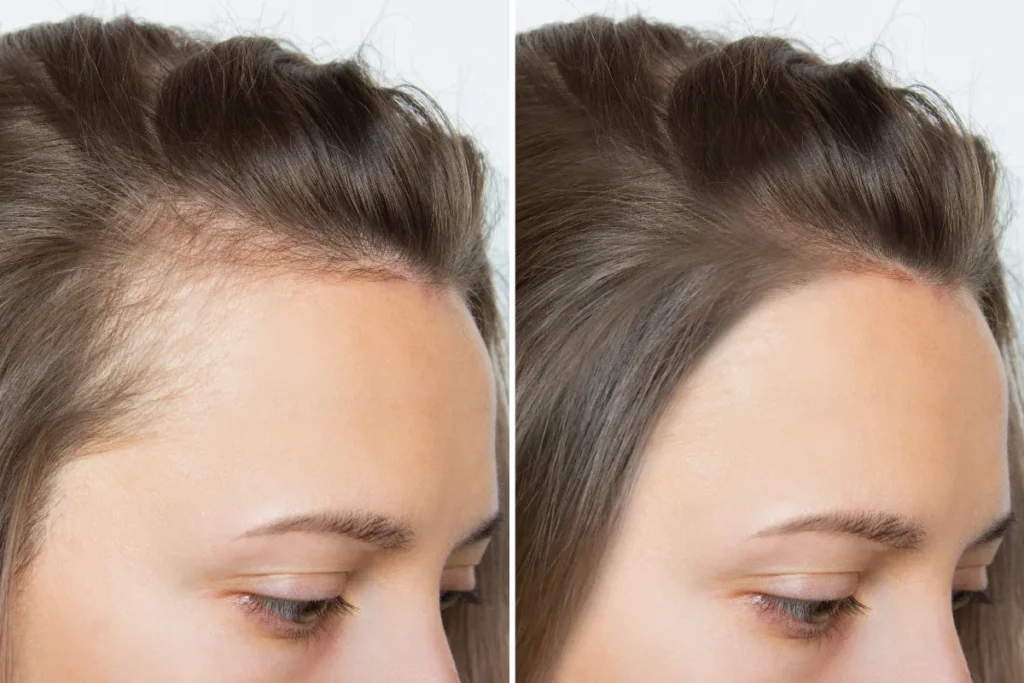
Are you noticing more hair shedding than usual? You might wonder if it’s a sign of a serious issue. The hair pull test is a simple, non-invasive way to find out. It checks if you’re losing hair by gently pulling on a small section of hair.
Dermatologists and trichologists use this test to see if you’re losing hair. It helps figure out if you have conditions like telogen effluvium or androgenetic alopecia.
Belangrijkste opmerkingen
The hair pull test is a non-invasive diagnostic tool used to assess active hair loss.
It involves gently pulling on a small section of hair to determine the number of hairs that come out.
A positive test result indicates active shedding, which can be a sign of underlying conditions.
The test is not definitive and should be followed up with a professional evaluation.
Consult a hair loss professional for a thorough assessment and tailored treatment plan.
Understanding the Hair Pull Test
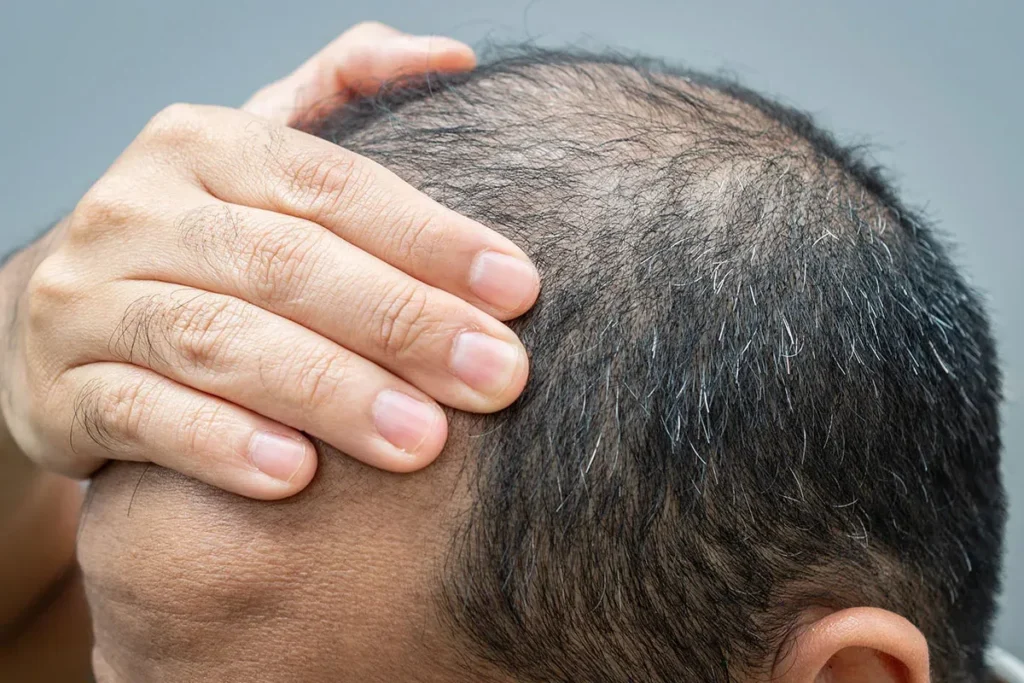
Understanding the hair pull test is key for those dealing with hair loss. It offers insights into hair stability and shedding rates. This helps diagnose issues like telogen effluvium.
Definition and Clinical Purpose
The hair pull test is a tool used by dermatologists and trichologists. It checks active hair shedding. It’s used to see if someone is shedding hair too much or in an unusual way.
This test shows if hair follicles are moving too early into the telogen phase. It’s a sign of hair loss. By counting how many hairs are pulled out, doctors can tell how severe the hair loss is.
Importance in Early Hair Loss Detection
Spotting hair loss early is important for managing it well. The hair pull test is key here. It gives quick insights into active hair loss patterns.
Early detection lets people start treatments early. This can stop more hair loss and help new hair grow. It’s a big step towards better treatment results.
The Hair Loss Laboratory Test Procedure
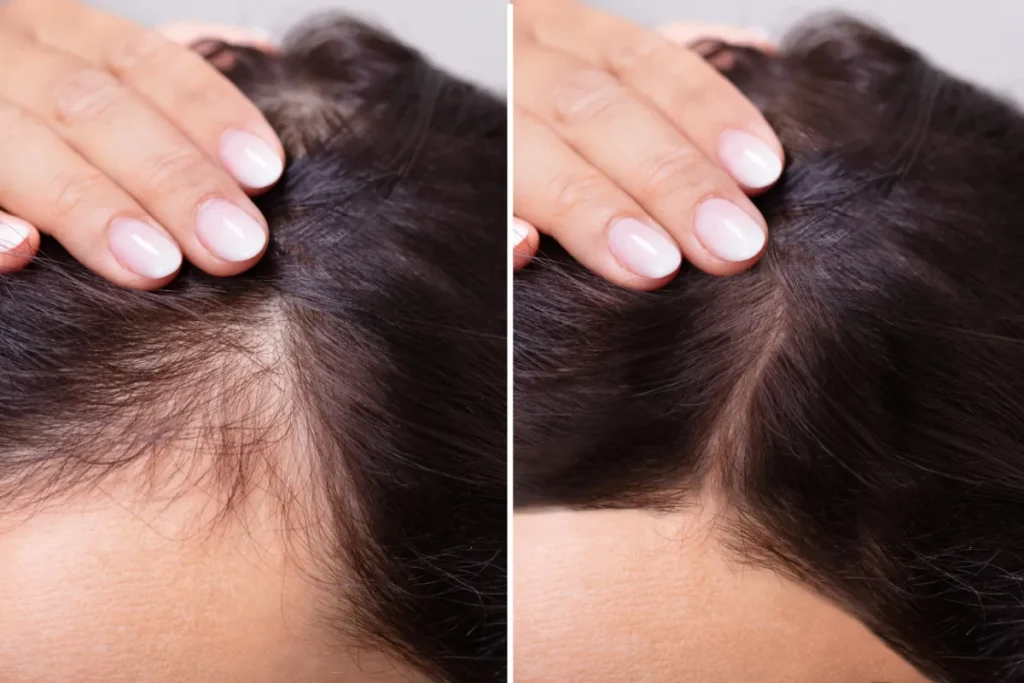
The hair pull test is a key tool for checking hair loss conditions. It’s easy and doesn’t hurt. It’s done in a doctor’s office to see how much hair is lost.
Step-by-Step Testing Method
To do the hair pull test, follow these steps:
Make sure the hair is dry and hasn’t been washed, best 24-48 hours after.
Pick a small part of hair, about 50-60 strands, from different scalp spots.
Hold the hair near the scalp with your thumb and first two fingers.
Give a gentle but firm pull.
Count how many hairs come out and check if their roots are intact.
Proper Technique and Scalp Areas to Test
It’s important to do the test right to get accurate results. You should test different parts of the scalp. This gives a full view of hair loss.
By using the right method and testing different scalp spots, doctors can better understand hair loss in their patients.
Interpreting Hair Pull Test Results
Understanding the hair pull test is vital for spotting hair loss early. This test offers insights into hair health and shedding patterns.
Understanding Normal vs. Positive Results
A normal test shows fewer than 3 hairs pulled out, meaning little shedding. But, if 3 or more hairs come out easily, it’s a sign of more shedding.
Normal Results: Fewer than 3 hairs pulled out – Shows normal shedding.
Positive Results: 3 or more hairs pulled out – Means you’re shedding hair too much.
Hair Loss Conditions Identified Through the Hair Pull Test
The test can spot several hair loss issues, like:
Telogen Effluvium: A short-term condition caused by stress or hormonal shifts.
Androgenetic Alopecia: Common hair loss in men and women, showing in patterns.
Alopecia Areata: An autoimmune disease causing patchy hair loss.
Knowing your hair pull test results is the first step to tackling hair loss. If you notice a lot of shedding, see a doctor or dermatologist. They can help figure out what’s next.
Conclusie
The hair pull test is a simple way to check hair loss. It shows how much hair you’re losing. Knowing this can help you start fixing your hair loss problems.
This test is important for doctors to see how much hair you’re losing. It helps them decide if you need more tests. This info is key to finding the right treatment for you.
Knowing about your hair health is the first step to growing more hair. The hair pull test is a quick way to check your hair loss. It helps you see if your treatments are working.
Using the hair pull test in your hair loss check-up can help a lot. It lets you see your hair’s full beauty. With the right treatment, you can have healthy, shiny hair and feel more confident.
FAQ
What is the hair pull test, and how is it used to diagnose hair loss?
The hair pull test is a simple way to check hair loss. It involves gently pulling on a small section of hair. This helps find out how many hairs come out, which can show different hair loss problems.
How do I prepare for a hair pull test?
To get ready for the test, make sure your hair is dry and unwashed. It’s best to do it 24-48 hours after washing. This way, you get accurate results.
What is considered a normal result in a hair pull test?
A normal test shows fewer than 3 hairs shed. This means you’re not losing hair too much.
What does a positive hair pull test result indicate?
If more than 3 hairs come out easily, it’s a sign of active hair shedding. This could mean you have conditions like telogen effluvium, androgenetic alopecia, or alopecia areata.
Can the hair pull test diagnose specific hair loss conditions?
The hair pull test can show if you’re shedding hair, but it’s not enough to say for sure what condition you have. More tests might be needed to find out for sure.
How is the hair pull test performed, and what areas of the scalp should be tested?
To do the test, grab a small section of hair (about 50-60 strands) near the scalp. Pull gently but firmly and count the hairs that come out. Do this in different parts of your scalp.
Can I perform the hair pull test at home, or is a professional evaluation necessary?
You can try the test at home, but it’s best to see a dermatologist or trichologist. They can give you accurate results and help decide what to do next.
How can I determine if I am losing hair, and what are the signs of active hair loss?
Check if you’re losing hair with a hair pull test or by looking for signs like a lot of shedding, thinning, or bald spots. If you’re worried, see a dermatologist or trichologist for a proper check-up.
Are there any additional tests that can help diagnose hair loss, such as blood tests?
Yes, tests like blood tests might be needed to find out why you’re losing hair. They help doctors figure out what’s going on and what treatment you might need.
Referenties
Nationaal Centrum voor Biotechnologie-informatie. Evidence-Based Medisch Inzicht. Opgehaald van https://pubmed.ncbi.nlm.nih.gov/35725018/





