

Seeing your body hair thin or fall out can be scary. It might mean there’s a health problem. While losing hair as we age is normal, sudden thinning could mean something’s wrong. It could be a thyroid issue or not getting enough nutrients.
It’s important to figure out why you’re losing hair. Hormones and health issues can play a big role. This includes hair loss on your arms and underarms.
Belangrijkste opmerkingen
Hormonal imbalances can cause body hair loss.
Nutritional deficiencies may contribute to hair thinning.
Thyroid disorders can lead to loss of body hair.
Certain medical conditions can affect hair growth.
Seeking medical attention is key to finding the cause.
Understanding Body Hair Growth and Loss
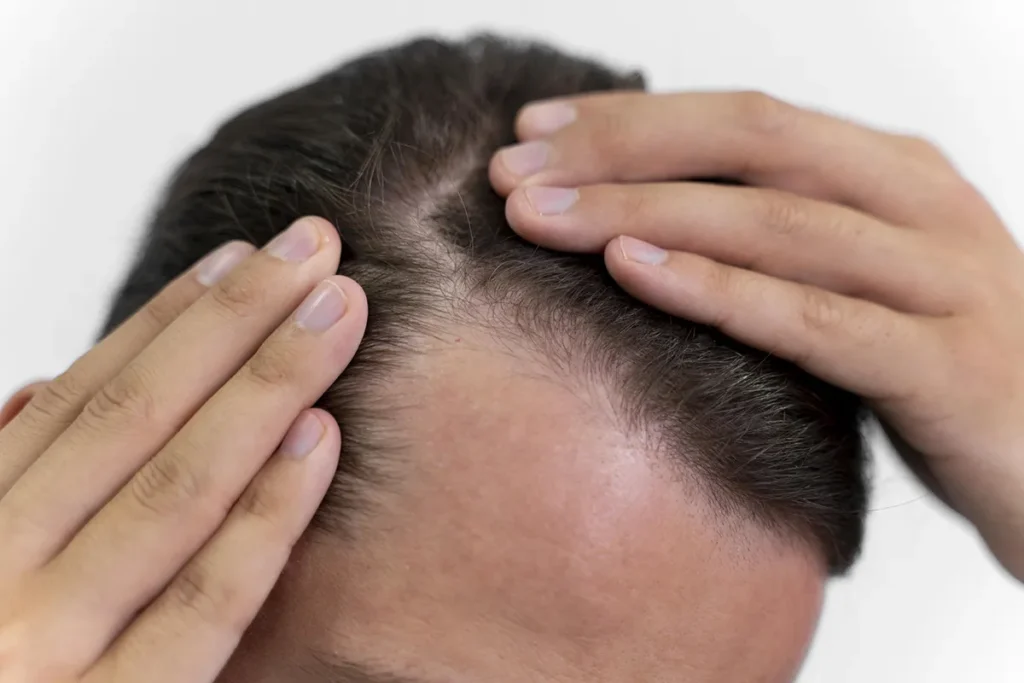
Body hair, like scalp hair, grows in cycles. But, these cycles are different in length and nature. Knowing these differences helps us tackle body hair loss.
Normal Hair Growth Cycles
Hair growth has three phases: the anagen phase for growth, the catagen phase for transition, and the telogen phase for rest before shedding. The length of these phases varies between body and scalp hair.
Scalp hair grows for 2 to 7 years in the anagen phase. Body hair, on the other hand, grows for only 30 to 45 days. This shorter cycle makes body hair more prone to loss due to hormonal changes and other factors.
How Body Hair Differs from Scalp Hair
Body hair and scalp hair grow differently and react to hormones and genetics. Body hair is more affected by hormonal changes, leading to growth issues or loss. For example, thyroid dysfunction or hormonal imbalances can impact body hair.
The texture and thickness of body hair also differ from scalp hair. These differences are influenced by genetics and health. Knowing these differences helps us find the right solutions for body hair loss.
Common Causes of Hair Loss on Arms
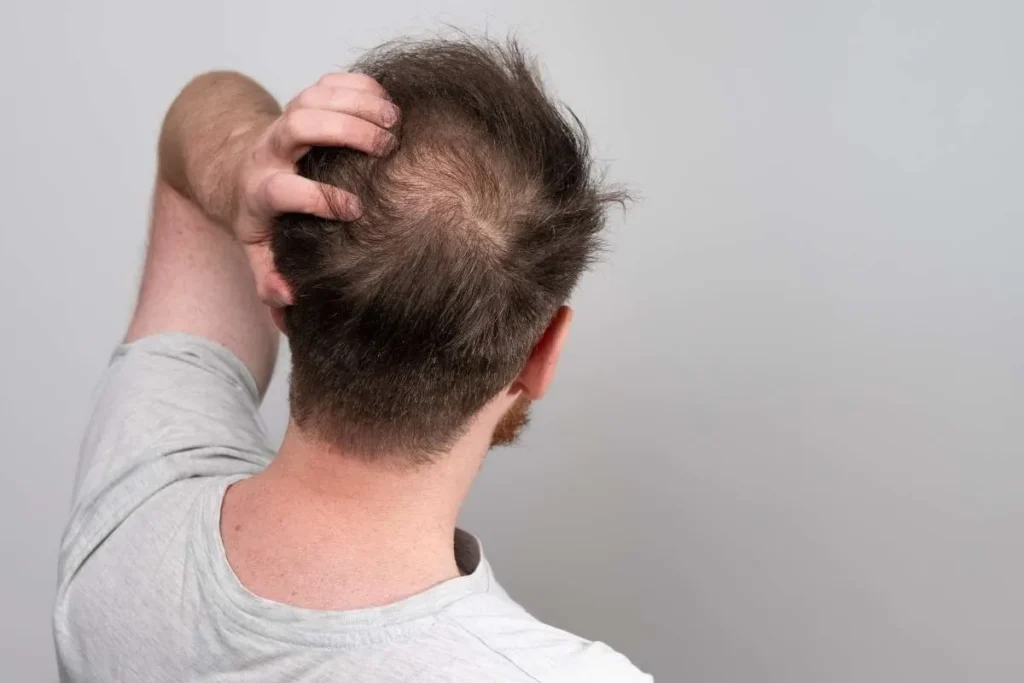
Many people lose hair on their arms due to different reasons. These include hormonal imbalances and not getting enough nutrients. Knowing what causes hair loss can help find the problem and get medical help.
Hormonal Imbalances and Thyroid Dysfunction
Hormonal changes, like those in androgens and thyroid hormones, can affect body hair. Thyroid problems, for example, can lead to hair loss. This is because thyroid hormones are key for hair growth. Thyroid disorders can change how hair grows, causing loss on the arms.
Nutritional Deficiencies and Diet
Lack of iron, vitamin D, and B vitamins can also harm hair growth on the arms. A diet without these nutrients can slow down hair growth, causing loss. Eating well is important for keeping hair healthy.
Diabetes and Circulatory Issues
Diabetes can also cause hair loss by affecting blood flow. Poor blood flow means less oxygen and nutrients for hair follicles, leading to loss on the arms.
Autoimmune Conditions
Autoimmune diseases, like alopecia areata, can cause hair loss on the body, including the arms. In these conditions, the immune system attacks hair follicles, causing loss.
Wanneer medische hulp zoeken
Sudden or significant hair loss on arms and underarms can be a sign of an underlying medical condition. If you’re experiencing sparse body hair or hair loss in armpits, it’s essential to recognize when it’s not just a cosmetic issue. It could be a sign of a health problem.
Underlying medical conditions such as thyroid disorders, autoimmune diseases, and nutritional deficiencies can often be treated with appropriate medical intervention. Seeking advice from a healthcare professional can provide clarity on the cause of hair loss. It can guide individuals towards effective hair loss treatment options.
Body hair loss in males can be a symptom of an underlying condition that needs to be addressed. If you’re experiencing unusual hair loss, it’s important to seek medical attention. Early intervention can not only address the hair loss but also manage the underlying condition. This improves overall health and well-being.
FAQ
What causes loss of body hair on arms and underarms?
Many things can cause hair loss on arms and underarms. Hormonal imbalances, thyroid disorders, and nutritional deficiencies are common causes. Certain medical conditions like diabetes and autoimmune diseases can also play a role.
How do hormonal imbalances affect body hair?
Hormonal changes, like those involving androgens and thyroid hormones, can greatly affect body hair. For example, thyroid dysfunction can lead to hair loss. This is because thyroid hormones are vital for hair growth.
Can nutritional deficiencies cause hair loss on arms?
Yes, not getting enough iron, vitamin D, or B vitamins can affect hair growth on arms. It’s important to eat well to keep your body hair healthy.
Is hair loss on arms a sign of an underlying health issue?
Some hair loss is normal, but sudden or significant loss might signal a health problem. Conditions like thyroid disorders, autoimmune diseases, and nutritional deficiencies can often be treated with medical help.
What is the normal hair growth cycle, and how does it differ for body hair?
Hair growth has three phases: anagen (growth), catagen (transition), and telogen (resting/shedding). Body hair’s anagen phase is much shorter than scalp hair, lasting only 30-45 days. This makes body hair more prone to disruptions.
When should I seek medical attention for hair loss on my arms and underarms?
If you notice sudden or significant hair loss, seek medical help. A doctor can help figure out why you’re losing hair and suggest treatments.
Can diabetes cause hair loss on arms?
Yes, diabetes can cause hair loss on arms by impairing circulation. Keeping diabetes under control and maintaining good blood flow can help prevent this.
Are there any treatments for hair loss caused by autoimmune conditions?
Autoimmune diseases like alopecia areata can cause patchy hair loss on the body, including arms. There are treatments available. A healthcare professional can guide you on managing the condition and addressing hair loss.
Referenties
New England Journal of Medicine. Evidence-Based Medisch Inzicht. Opgehaald van https://www.nejm.org/doi/full/10.1056/NEJMcp1314517





