
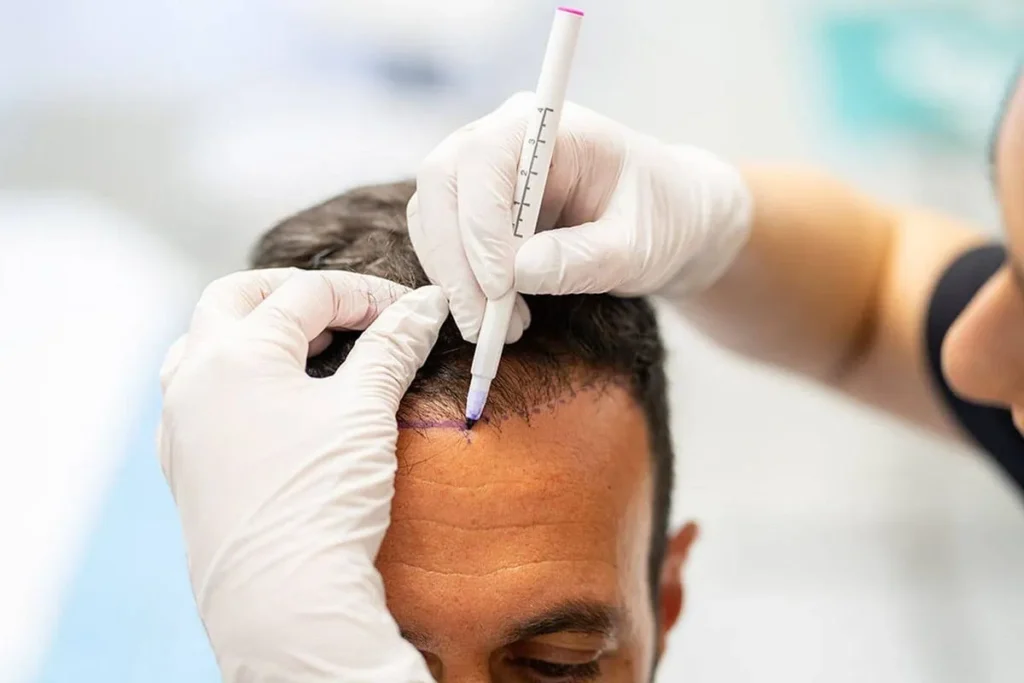
If you’re thinking about a hair restoration procedure, knowing the long-term effects is key. A good hair transplant can last a lifetime. Studies show that more than 80 percent of the transplanted hair stays healthy for over 10 years.
At GoldCity Center, we focus on our patients. We use the latest research and team up with experts to get you lasting, natural-looking results. The success of a hair transplant depends on the surgeon’s skill and your care after the surgery.
Choosing a skilled surgeon and following their advice can lead to a luxury transformation. This can boost your confidence for many years.
Belangrijkste opmerkingen
A well-performed hair transplant can last a lifetime.
Proper post-operative care is key for long-term results.
The surgeon’s expertise is vital for a successful procedure.
Modern methods like FUT and FUE give natural results.
Your genes and lifestyle can affect how long the transplant lasts.
Understanding Modern Hair Transplant Procedures
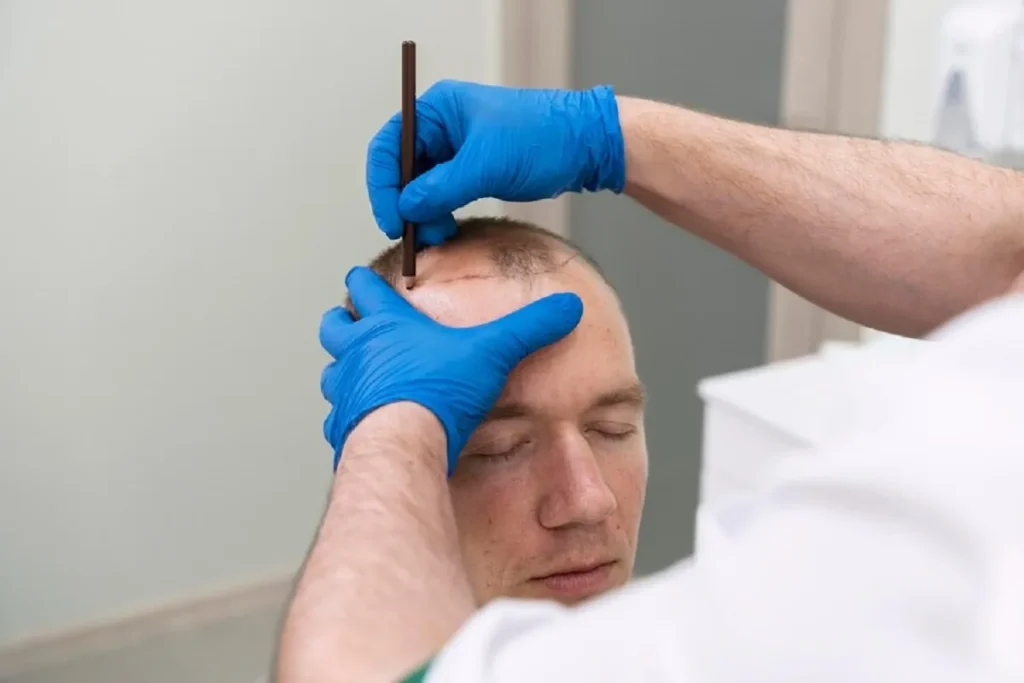
Modern hair transplant methods have changed the game in hair restoration. They offer natural-looking results and high success rates. The main techniques are Follicular Unit Transplantation (FUT) and Follicular Unit Extraction (FUE).
FUT vs. FUE Techniques
FUT, or strip harvesting, takes a strip of hair-bearing skin from the back of the head. This strip is then cut into individual follicular units. These units are then moved to the recipient sites.
FUE, on the other hand, takes individual follicular units directly from the donor area. It uses a special tool for this.
FUE vs. FUT: Key Differences
Slagingspercentages en verwachte resultaten
Both FUT and FUE have high success rates, with FUE at 90 to 100 percent. The success of a hair transplant depends on several factors. These include the surgeon’s skill, the quality of the donor hair, and the patient’s health.
Factors Influencing Success Rates:
Surgeon’s expertise
Donor hair quality
Patient’s health
Postoperatieve zorg
Understanding the differences between FUT and FUE helps patients make better choices. With the right technique and a skilled surgeon, patients can get natural-looking, lasting results.
Hair Transplant 10 Years Later: What to Expect
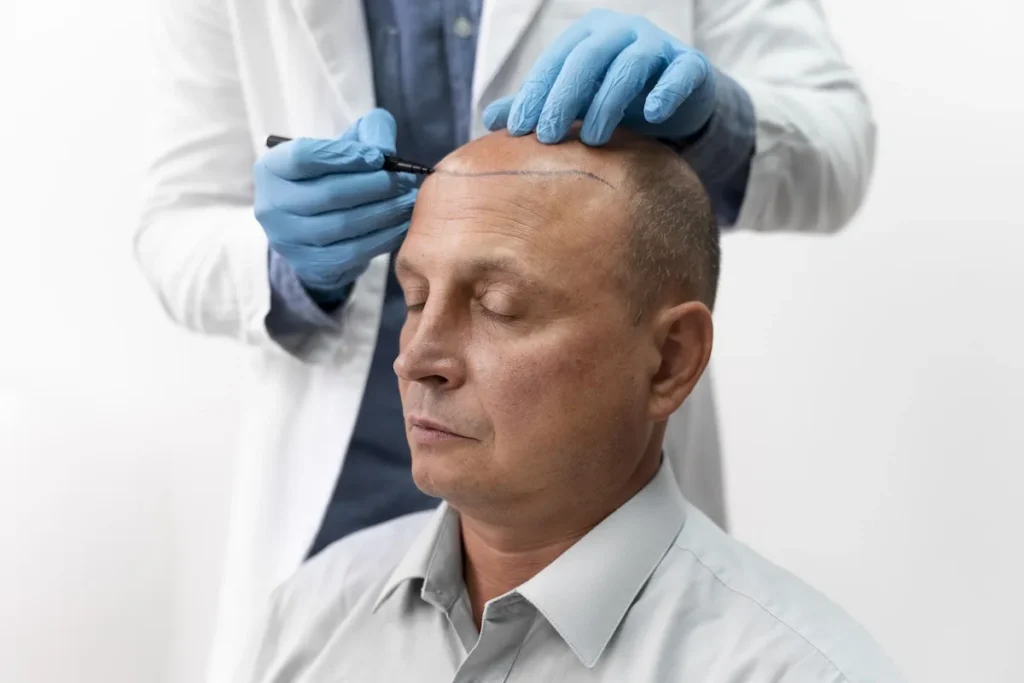
Exploring hair transplantation long-term outcomes is key. A hair transplant is a long-term investment in your looks and confidence. Over time, the transplanted hair ages naturally, just like your original hair.
Timeline of Results: From Surgery to Decade Mark
The hair transplant journey has several stages. At first, the transplanted hair may shed, but this is normal. A few months later, it starts growing back, and by the first year, the results are clear.
As years go by, the transplanted hair gets better and blends with your natural hair. By the 5-year mark, it looks and feels natural. After 10 years, it ages like your natural hair, turning grey or white and shedding normally.
Natural Aging of Transplanted Hair
It’s good to know that transplanted hair ages naturally, just like your own. This means it will also turn grey or thin as you age.
Here’s how transplanted hair ages:
Knowing these changes helps set realistic expectations for hair transplantation. With the right care, the results can last a long time and be very satisfying.
Long-Term Side Effects After a Decade
Hair transplants are usually safe, but there are long-term side effects to watch out for, after 10 years. Knowing these can help patients make smart choices and take steps to reduce risks.
Scarring and Donor Area Concerns
Scarring is a big worry with hair transplants, mainly with FUT (Follicular Unit Transplantation). The area where grafts are taken can leave a visible scar. This depends on hair style and length.
To avoid this, many clinics use FUE (Follicular Unit Extraction) instead. It causes less scarring. But, some scarring can happen with FUE too. It’s important to talk to your surgeon about scarring worries.
Pigmentation Changes and Skin Issues
Pigmentation changes are another long-term side effect. Some people might see lighter or darker skin in the transplant or donor areas. These changes can be more obvious in darker skin tones.
Also, skin problems like folliculitis or ingrown hairs can happen. This is more likely if you don’t follow post-op care well. Keeping your scalp clean and following up with your surgeon can help avoid these issues.
Potential Complications from Poor Technique
Poor technique or bad post-op care can cause problems like infection or unnatural results. It’s key to pick a skilled surgeon to lower these risks.
Be aware of donor area depletion too. This is when the donor area is taken too much, causing thinning hair there. A good surgeon will check the donor area carefully to avoid this.
By knowing these possible long-term side effects, patients can better prepare for their hair transplant. This way, they can enjoy a fuller head of hair for many years.
Conclusion: Maximizing the Lifespan of Your Hair Transplant
To make sure your hair transplant lasts, a good aftercare plan is key. Regular check-ups with your surgeon are important. They help catch any issues early. A healthy lifestyle also helps keep your transplant looking natural for years.
Keeping your hair transplant looking good for a long time needs careful attention. Knowing what affects how long it lasts helps you take better care of it. For more information on how long hair transplants last, check out Concord Hair Restoration.
FAQ
Hoe lang gaan haartransplantaties meestal mee?
Hair transplants can last over a decade. The transplanted hair ages naturally and blends with your existing hair.
What are the long-term side effects of hair transplants?
Long-term side effects include scarring, mainly from FUT procedures. You might also see pigmentation changes and issues from bad technique.
How do I maximize the lifespan of my hair transplant?
To extend your transplant’s life, follow a detailed aftercare plan. Keep a healthy lifestyle and schedule regular check-ups with your surgeon.
Wat is het verschil tussen FUT en FUE haartransplantatietechnieken?
FUT removes a strip of skin, while FUE takes out individual follicles. FUE is known for less scarring and high success rates.
Hoe lang duurt het voordat je het volledige resultaat van een haartransplantatie ziet?
Results vary, but you’ll see big improvements in a year. Over the next decade, they’ll continue to refine.
Will my transplanted hair go through the natural aging process?
Yes, your transplanted hair will age naturally. It will go grey and shed like your original hair.
Can I expect my hair transplant to look natural after 10 years?
With proper care and a skilled surgeon, your transplant can look natural for over a decade.
What are the possible complications of hair transplants?
Complications include scarring, pigmentation changes, and issues from bad technique. Choosing an experienced surgeon reduces these risks.
How do I choose the right hair transplant technique for me?
Talk to a qualified surgeon to find the best technique for you. They’ll consider your hair loss, preferences, and needs.
Are hair transplants a viable long-term solution for hair loss?
Yes, with advancements in FUT and FUE, hair transplants are a reliable, long-lasting solution for hair loss.
Referenties
https://wimpoleclinic.com/blog/how-to-fix-a-messed-up-hairline





