
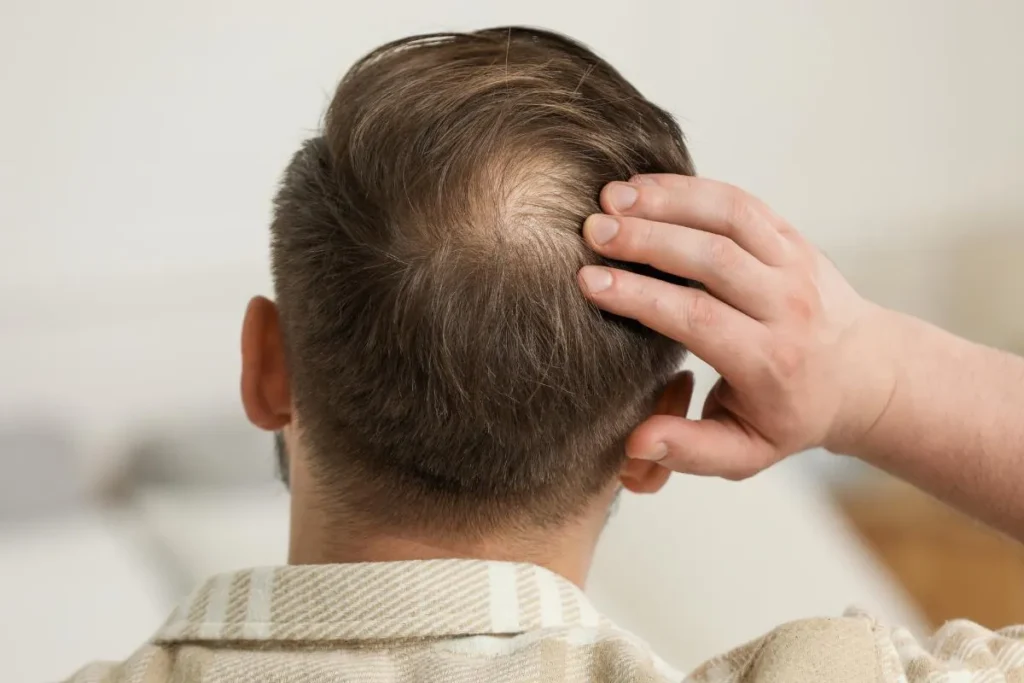
When will i start balding? Learn the truth and use these amazing, powerful success tips to achieve incredible hair protection and regrowth.
Men need to know when hair loss starts to tackle it early. Hair loss can start at any age, but it often begins in the late 20s to early 30s. By age 30, about 25-30% of men see some hair thinning.
Empowering confidence through knowledge helps men face hair loss. At Liv Hospital, we care about the emotional and physical effects of hair loss. We offer compassionate, evidence-based care.
The time it takes for hair loss to show varies a lot. Some men start losing hair in their late teens. Others might not see thinning until their 30s or 40s.
Belangrijkste opmerkingen
Hair loss can start at any age, but it’s most common in late 20s to early 30s.
Approximately 25-30% of men experience hair thinning by age 30.
The onset of male pattern baldness varies significantly among individuals.
Understanding the average age and timeline can help men address hair loss early.
Liv Hospital provides compassionate, evidence-based care for hair loss.
Kaalheid bij mannen begrijpen
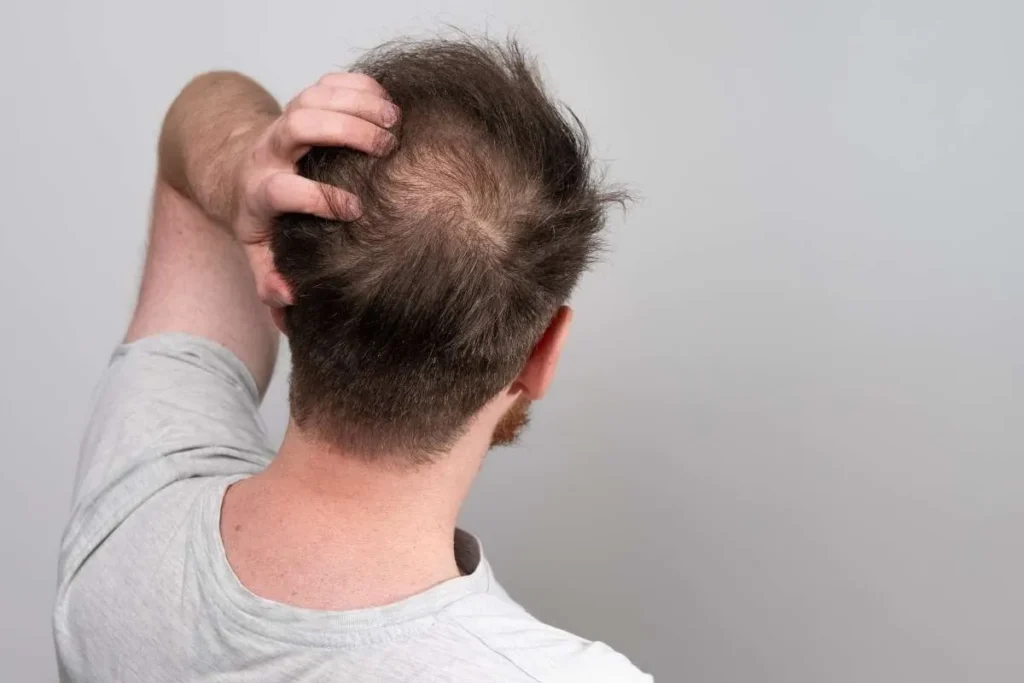
It’s important to know about male pattern baldness to fight hair loss. This condition, also known as androgenetic alopecia, is caused by genetics. It leads to hair thinning mainly on the scalp.
What Is Male Pattern Baldness?
Male pattern baldness comes from genetics, hormones, and the environment. Dihydrotestosterone (DHT), a strong form of testosterone, shrinks hair follicles. This makes hairs thinner, shorter, and eventually leads to hair loss.
Genetics play a big role, as men with balding family members are more likely to lose their hair. Hormones, like the conversion of testosterone to DHT, also play a key part in male pattern baldness.
The Norwood Scale: Identifying Stages of Hair Loss
The Norwood Scale helps classify hair loss in men. It goes from minimal recession to complete baldness. This scale is a standard way to track hair loss.
The scale has seven stages, from Type I (minimal loss) to Type VII (severe loss).
Knowing your stage of hair loss is key to finding the right treatment.
Vroege waarschuwingssignalen om op te letten
Spotting early warning signs of male pattern baldness is vital. These signs include:
A receding hairline, often starting with temples recession.
Thinning at the crown of the head.
More hair shedding, mainly after washing or combing.
By recognizing these signs and understanding the causes, men can start treatments early. This can help slow or stop hair loss.
When Will I Start Balding? Age Milestones and Statistics
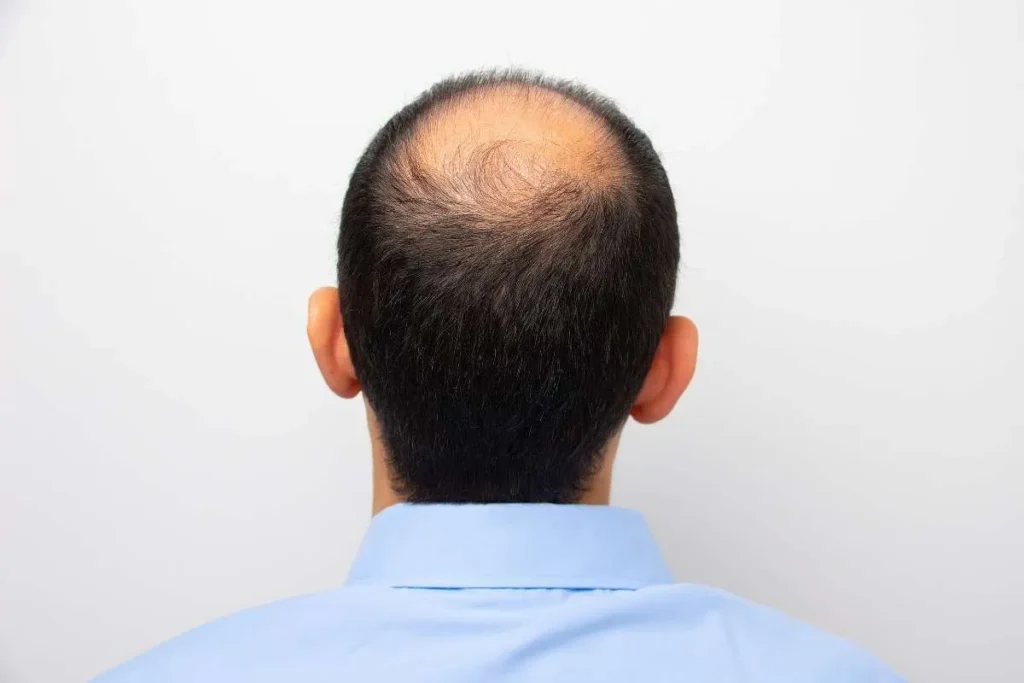
Knowing when you might start losing hair can help men get ready. Hair loss starts at different times for everyone. But, there are certain ages when it happens more often.
Late Teens to 20s: Early Onset Baldness
Some men start losing hair in their late teens. But this is not common. About 25% of men lose hair before they are 21. This can really affect a young man’s self-esteem.
30s: The Most Common Decade for Hair Loss
In their 30s, many men first see signs of balding. This decade sees a big jump in hair loss. By 35, about two-thirds of American men notice hair loss.
40s to 60s: Long-term Hair Loss Progression
As men get older, hair loss keeps getting worse. By 50, about half of men have noticeable hair loss. By 60, it’s about two-thirds. Knowing this can help men prepare for long-term hair loss.
How Quickly Baldness Progresses After First Signs
How fast baldness spreads after the first signs varies a lot. Genetics, hormonal changes, and lifestyle choices affect how fast hair falls out.
By knowing these age milestones and stats, men can prepare for hair loss. They can look for ways to deal with it.
Factors That Determine Your Personal Balding Timeline
Men start losing hair due to a mix of genetics, hormones, and lifestyle. Knowing these factors can help you guess when you might start losing hair. It also helps you think about ways to prevent it.
Genetics: The Maternal and Paternal Influence
Genetics are key in when and how much men lose their hair. Studies show that both mom’s and dad’s genes play a part. If your dad or granddad lost their hair, you might too.
Inheriting the Risk: Men with balding in their family tend to lose hair earlier. This risk comes from both sides of the family. It’s not just one parent’s genes.
Hormonal Factors: DHT and Testosterone
Hormones, like dihydrotestosterone (DHT), also affect hair loss. DHT makes hair follicles smaller, leading to thinner, shorter hairs. This is a big part of why men lose their hair.
Lifestyle Factors That May Accelerate Hair Loss
Stress, diet, and hair care can also speed up hair loss. High stress and a bad diet can make hair loss worse.
Poor nutrition
Excessive stress
Harsh hair care practices
Nourishing Your Hair: Eating well, with foods like biotin and vitamin D, helps hair follicles. This can slow down hair loss.
Predicting Your Personal Hair Loss Pattern
Understanding genetics, hormones, and lifestyle can help predict hair loss. This knowledge lets men take action early. They can try treatments, change their lifestyle, or explore hair restoration.
Conclusie
Understanding when male pattern baldness starts is key for men to fight hair loss. Most men see it in their late 20s to early 30s. The problem gets worse with age.
Knowing what causes balding helps men take action. This includes genetics, hormones, and lifestyle. By understanding these, men can protect their hair.
Men should focus on beauty and self-care. This helps them feel confident. Knowing when balding starts and acting early can help manage it.
FAQ
Op welke leeftijd beginnen mannen doorgaans kaal te worden?
Men start balding at different ages. Some see it in their late teens or early 20s. Others notice it in their 30s. It keeps going into the 40s and 60s.
Wat is kaalheid bij mannen en hoe verloopt het?
Male pattern baldness, or androgenetic alopecia, is a hereditary condition. It causes hair to thin on the scalp. The Norwood Scale shows the stages, from minimal to complete baldness.
What are the early warning signs of balding?
Early signs include a receding hairline and thinning at the crown. You might also notice more hair falling out.
How quickly does balding progress after the first signs appear?
Balding speeds up differently for everyone. It depends on genetics, hormones, and lifestyle. Knowing these factors can help predict hair loss and take steps to prevent it.
Can lifestyle factors influence the rate of balding?
Yes, lifestyle can affect how fast you lose hair. Stress, diet, and hair care habits play a role.
What percentage of men experience noticeable hair loss by age 50 and 60?
By 50, about 50% of men notice hair loss. By 60, it’s around two-thirds.
How do genetics influence male pattern baldness?
Genetics from both parents are key in male pattern baldness. They determine if and how fast you’ll lose hair.
What is the role of hormonal factors in balding?
Hormones, like DHT, affect hair follicles. They contribute to hair loss.
When should I seek treatment for hair loss?
Act early to address hair loss. Recognize signs and understand what causes it. This way, you can make smart choices for your hair health.
Referenties
Nationaal Centrum voor Biotechnologie-informatie. Evidence-Based Medisch Inzicht. Opgehaald van https://www.ncbi.nlm.nih.gov/books/NBK278957/





