
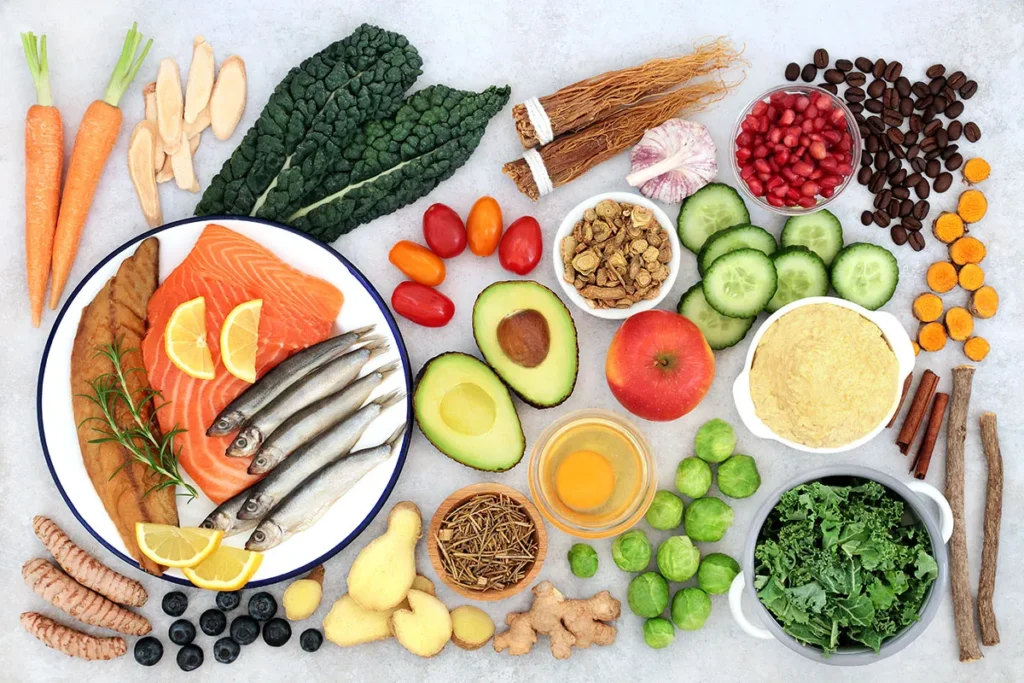
Chronic inflammation is a big problem for many health issues. But, starting an anti-inflammatory eating plan can help a lot. It uses whole foods and good nutrition to fight inflammation.
Eating anti-inflammatory foods like fruits, veggies, whole grains, and healthy fats can make you healthier. A good anti-inflammatory meal plan can guide you on this path.
Start an anti inflammatory eating plan with these expert tips. Achieve amazing health gains and stop painful body aches naturally.
Belangrijkste opmerkingen
Focus on whole, unprocessed foods to reduce inflammation.
Incorporate anti-inflammatory nutrients like healthy fats and fiber.
Limit or avoid processed foods, excess added sugars, and refined grains.
Include a variety of colorful fruits and vegetables in your diet.
Stay hydrated and consider meal swaps to keep your diet interesting.
Understanding Inflammation and Its Impact on Health

Inflammation is a natural response to injury. But when it becomes chronic, it can harm our health. It’s important to know what causes it and how to fight it with diet and lifestyle changes.
Causes of Chronic Inflammation
Many things can trigger chronic inflammation. Processed foods, refined starches, and sugary drinks are big culprits. These foods upset our body’s natural balance, leading to chronic inflammation.
“The modern diet, full of processed and sugary foods, is a big reason for chronic inflammation,” says a leading expert in nutrition. This shows why we need to eat more whole, nutrient-rich foods.
The Science Behind Anti-Inflammatory Nutrition
Anti-inflammatory nutrition is about eating foods that fight inflammation. Foods high in antioxidants, omega-3 fatty acids, and other nutrients are key. An anti-inflammatory low glycemic diet is also great, as it keeps blood sugar stable and boosts health.
Fatty fish, rich in omega-3 fatty acids
Leafy greens, packed with antioxidants
Nuts and seeds, good sources of healthy fats and antioxidants
Research on Inflammatory Biomarkers
Knowing and tracking inflammatory biomarkers is key to understanding inflammation. Studies show that certain biomarkers can show if we have chronic inflammation. This helps us create diets like a detox diet for inflammation to fight it.
Reducing chronic inflammation starts with making smart food choices. By following an inflammation cleanse through diet and lifestyle changes, we can get healthier and find balance.
Creating Your Anti-Inflammatory Eating Plan
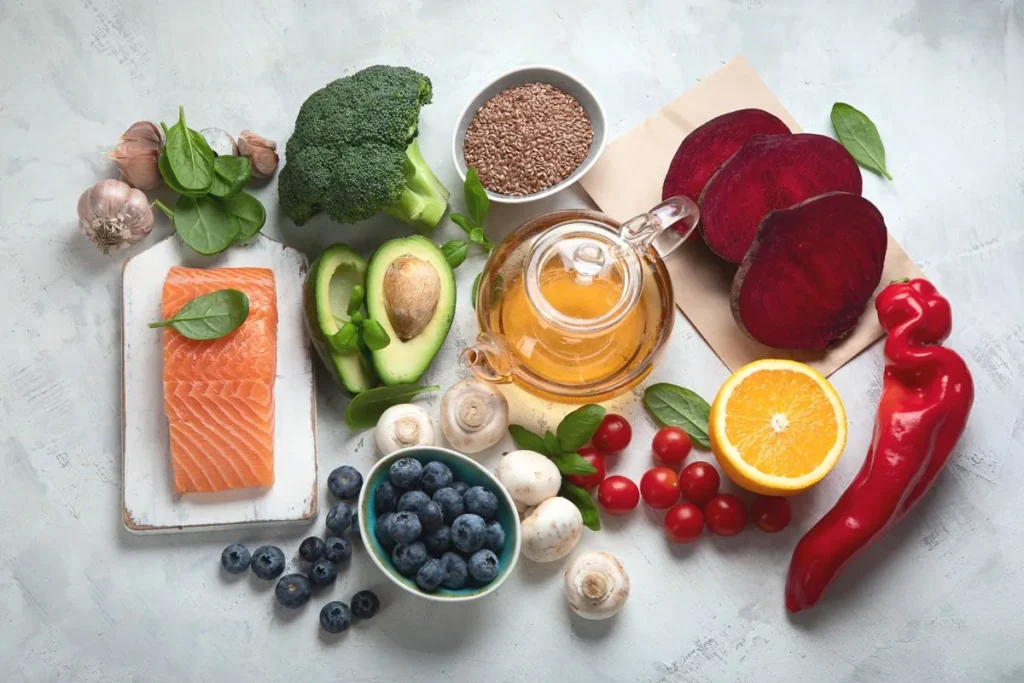
To start your anti-inflammatory eating plan, focus on whole, nutrient-dense foods. These foods help your body stay healthy. This step is key to a successful diet.
Whole Foods Foundation
A whole foods anti-inflammatory diet focuses on unprocessed, nutrient-rich foods. These foods give you the vitamins and minerals you need. Include a variety of colorful fruits and vegetables in your diet. They are full of antioxidants and polyphenols.
Some whole foods to add to your diet are:
Leafy greens like spinach and kale
Berries such as blueberries and raspberries
Fatty fish like salmon and sardines
Nuts and seeds, including almonds and chia seeds
Whole grains like quinoa and brown rice
Balancing Macronutrients
Balancing macronutrients is important in an anti-inflammatory diet. Aim for the right mix of protein, healthy fats, and complex carbs. A balanced diet supports health and fights inflammation.
A sample daily macronutrient breakdown could be:
Meal Planning Strategies
Effective meal planning is key to sticking to an anti-inflammatory diet. Use strategies like batch cooking and meal prep. Plan meals around seasonal produce for freshness and variety.
This meal plan includes breakfast, lunch, dinner, and snacks. It also shows daily totals of calories, protein, carbs, fiber, fat, and sodium.
Foods to Embrace and Avoid
Choosing the right foods can help fight inflammation. Adding anti-inflammatory foods to your diet and avoiding pro-inflammatory ones can greatly reduce inflammation. This improves your overall health and well-being.
Anti-Inflammatory Powerhouse Foods
Enjoy the tastes of nature with foods full of antioxidants, fiber, and omega-3s. These nutrients fight inflammation and boost health. Here are some top anti-inflammatory foods:
Turmeric: It has curcumin, a strong anti-inflammatory compound.
Ginger: It has gingerols, which are anti-inflammatory.
Leafy Greens: Spinach, kale, and collard greens are full of antioxidants.
Fatty Fish: Salmon, sardines, and mackerel are rich in omega-3s.
Whole Grains: Brown rice, quinoa, and whole wheat are good for fiber and antioxidants.
Adding these foods to your diet can lower inflammation and improve health. For example, you can add turmeric to your morning smoothie or use it in cooking.
Pro-Inflammatory Foods to Limit
Some foods can increase inflammation, while others can help reduce it. It’s important to know and limit pro-inflammatory foods. Here are some to avoid:
Processed Meats: Hot dogs, sausages, and bacon have AGE products that cause inflammation.
Refined Starches: White bread and pasta raise blood sugar and insulin resistance, leading to inflammation.
Sugary Drinks: Drinks like soda and sports drinks increase inflammation.
Foods High in Saturated and Trans Fats: Avoid foods like butter, margarine, and processed snacks.
Being mindful of these foods and making smart choices helps your body fight inflammation. Enjoying the journey to an anti-inflammatory diet is key. Find pleasure in foods that nourish your body.
Conclusion: Implementing Your Inflammation Detox Protocol
Your health journey begins now. By choosing an anti-inflammatory diet, you’re making a big step towards better health. This diet is a powerful way to take control of your well-being.
To start, eat whole, unprocessed foods and balance your nutrients. A 7-day anti-inflammatory meal plan can help you make the best food choices. It ensures you get all the nutrients you need.
Starting an anti-inflammatory diet needs patience and dedication. It might take six weeks to see results, but keep going. You’ll see a big drop in inflammation.
By choosing wisely and staying consistent, you’ll get closer to a healthier you. Begin your anti-inflammatory journey today. Discover the power of a balanced diet.
FAQ
What is an anti-inflammatory eating plan?
An anti-inflammatory eating plan focuses on whole, nutrient-rich foods. It aims to lower chronic inflammation and boost health.
Is white rice anti-inflammatory?
White rice is not seen as anti-inflammatory. It’s a refined starch that can cause inflammation. Yet, fermented rice might have anti-inflammatory effects.
What are some simple anti-inflammatory diet tips?
Eat whole, unprocessed foods like fruits, veggies, whole grains, lean proteins, and healthy fats. Avoid processed meats, sugary drinks, and refined starches.
How do I start an anti-inflammatory diet protocol?
Start by reviewing your diet and lifestyle. Gradually add more anti-inflammatory foods and habits. Get personalized advice from a healthcare professional or registered dietitian.
What are some anti-inflammatory powerhouse foods?
Foods like turmeric, ginger, leafy greens, and fatty fish are anti-inflammatory. They’re packed with antioxidants and omega-3s.
Can an anti-inflammatory diet help with detoxing?
Yes, it can. An anti-inflammatory diet reduces inflammation and supports detox. It’s a great way to start your health journey.
What is an anti-inflammatory low glycemic diet?
It’s a diet that focuses on anti-inflammatory foods and low glycemic index foods. This helps control blood sugar and inflammation.
How can I make meal planning easier on an anti-inflammatory diet?
Use batch cooking, meal prep, and plan around seasonal whole foods. Find inspiration in anti-inflammatory food guides and recipes.
Referenties
Nationaal Centrum voor Biotechnologie-informatie. Evidence-Based Medisch Inzicht. Opgehaald van https://pubmed.ncbi.nlm.nih.gov/39481992/