When searching for an alopecia areata doctor, patients often feel overwhelmed by the variety of medical professionals and treatment pathways available. This article explains the key factors to consider, outlines the diagnostic process, and reviews the most effective treatment options for this autoimmune form of hair loss. Understanding when to seek help can prevent unnecessary stress and improve outcomes, especially since early intervention often leads to better hair regrowth.
According to recent dermatology surveys, up to 2 % of the population will experience some form of alopecia during their lifetime, and many are unaware that a qualified specialist can make a significant difference. Recognizing the signs—such as sudden round patches of hair loss, itching, or tingling sensations—helps you act promptly.
In the sections that follow, we will explore the nature of alopecia areata, the types of doctors who treat it, what to expect during a consultation, and the range of therapies offered at Gold City Medical Center. Whether you are dealing with a few small patches or extensive hair loss, the right expertise can guide you toward a personalized care plan.
Understanding Alopecia Areata and When to Seek Professional Help
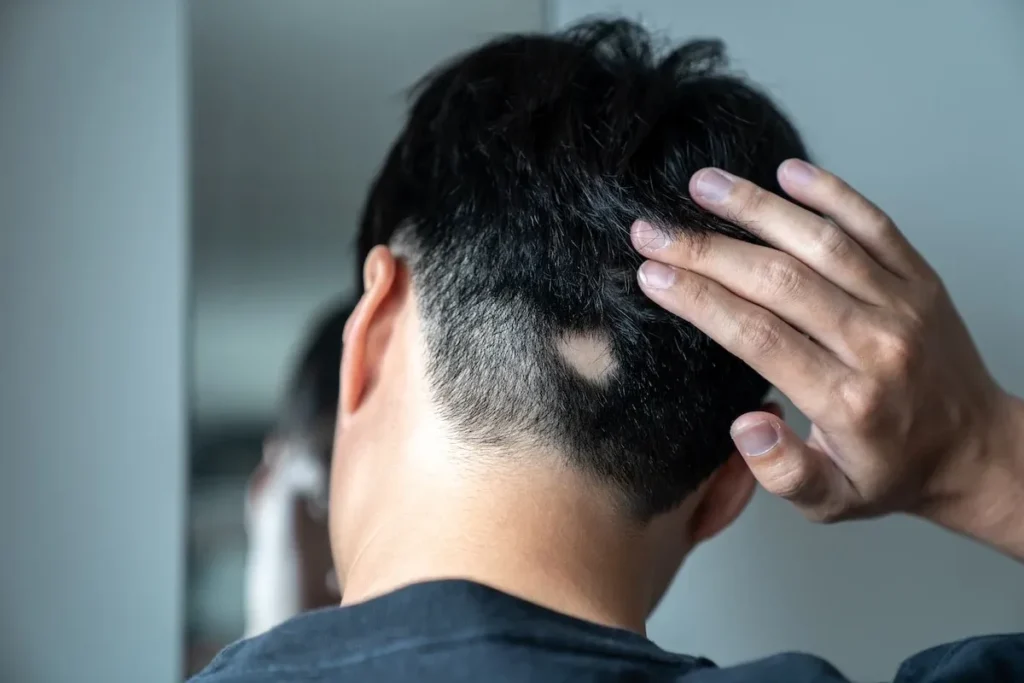
Alopecia areata is an autoimmune condition in which the immune system mistakenly attacks hair follicles, leading to unpredictable hair loss. Unlike pattern baldness, the patches are often round and can appear on the scalp, eyebrows, or even the beard. While the exact cause remains unclear, genetic predisposition and environmental triggers are commonly cited.
Typical symptoms include:
- Sudden appearance of smooth, round bald patches
- Itching or a tingling sensation before hair loss
- Exclamation‑mark hairs at the edge of lesions
If you notice any of these signs, especially if they develop rapidly, it is advisable to schedule an appointment with a qualified professional. Early diagnosis not only clarifies the condition but also opens the door to timely treatment, which can improve the likelihood of hair regrowth.
Key factors that indicate the need for a specialist include:
| Indicator | Why It Matters |
|---|---|
| Rapid patch expansion | May signal an active autoimmune response requiring prompt intervention |
| Involvement of eyebrows or eyelashes | Suggests a more extensive autoimmune activity |
| Family history of alopecia | Genetic factors increase risk and influence treatment choices |
Recognizing these cues helps you decide when to consult an alopecia areata doctor rather than waiting for the condition to progress.
Types of Specialists Who Treat Alopecia Areata
While the term “alopecia areata doctor” is commonly used, several types of medical professionals possess the expertise to diagnose and manage this condition. Understanding each role can help you select the most appropriate practitioner for your specific needs.
Dermatologen
Dermatologists are physicians specialized in skin, hair, and nail disorders. They are often the first point of contact for patients experiencing hair loss. A dermatologist can perform a thorough skin examination, order laboratory tests, and prescribe both topical and systemic treatments.
Trichologists
Trichologists focus exclusively on hair and scalp health. Although not medical doctors, they have extensive training in hair biology and can provide valuable insights into hair‑care routines, nutritional factors, and non‑prescription therapies.
Immunologists
Because alopecia areata is an autoimmune disease, immunologists may be consulted for advanced cases that require systemic immune‑modulating medications. Their expertise is crucial when standard dermatological treatments are insufficient.
Hair Transplant Surgeons
In cases where permanent hair loss occurs, a hair transplant surgeon can discuss restorative procedures. While surgery does not treat the autoimmune aspect, it can improve aesthetic outcomes after the disease is stabilized.
Below is a quick comparison of the specialties most relevant to alopecia areata care:
| Specialist | Medical Training | Typical Services | When to See |
|---|---|---|---|
| Dermatologist | MD/DO in Dermatology | Diagnosis, prescription meds, topical therapies | Initial assessment and medical management |
| Trichologist | Certified hair‑care specialist (non‑medical) | Scalp analysis, hair‑care counseling, non‑prescription products | Supplemental care and lifestyle advice |
| Immunologist | MD/DO in Immunology | Systemic immune‑modulating therapy, advanced labs | Refractory cases or systemic involvement |
| Hair Transplant Surgeon | MD/DO in Plastic or Cosmetic Surgery | Surgical hair restoration, follicular unit extraction | Stable disease with permanent hair loss |
Choosing the right professional often depends on the stage of your condition, your treatment goals, and whether you need medical, cosmetic, or surgical intervention.
Diagnosis Process and What to Expect During Your Visit
The diagnostic journey for alopecia areata is systematic and aims to rule out other causes of hair loss while confirming the autoimmune nature of the condition. A competent alopecia areata doctor will follow a structured protocol.
Medical History Review
First, the specialist gathers a detailed medical history, including family history of autoimmune disorders, recent illnesses, stress levels, and any medications that could affect hair growth.
Physical Examination
During the examination, the doctor inspects the scalp and any affected areas, noting the size, shape, and distribution of patches. Dermoscopy—a magnified skin imaging technique—helps identify characteristic signs such as yellow‑white dots or black‑colored hairs.
Laboratory Tests
Blood tests may be ordered to assess thyroid function, vitamin D levels, and markers of inflammation. In some cases, a scalp biopsy is performed to differentiate alopecia areata from scarring alopecias.
Imaging and Additional Assessments
Advanced imaging, such as high‑resolution ultrasound, can evaluate follicle health, while phototrichograms track hair growth over time.
Here is a step‑by‑step checklist for patients preparing for their first appointment:
- Write down recent health changes, medications, and stressors.
- Bring any previous dermatology reports or lab results.
- Prepare a list of questions about treatment options and side effects.
- Consider taking photos of the affected areas for baseline comparison.
Understanding this process demystifies the visit and empowers you to actively participate in your care plan.
Treatment Options and Ongoing Care Strategies
Management of alopecia areata is highly individualized. While no single therapy guarantees complete regrowth, many patients achieve significant improvement with a combination of medical, topical, and lifestyle approaches.
Topical Therapies
First‑line topical treatments include corticosteroid creams and immunotherapy agents such as diphenylcyclopropenone (DPCP). These aim to reduce local inflammation and stimulate follicle activity.
Systemic Medications
For extensive or rapidly progressing cases, oral corticosteroids, JAK inhibitors (e.g., tofacitinib, ruxolitinib), and immunosuppressants may be prescribed. Monitoring for side effects is essential, and regular blood work is recommended.
Light‑Based Treatments
Excimer laser therapy and low‑level laser devices have shown promise in promoting hair regrowth by modulating immune responses and enhancing cellular metabolism.
Complementary Approaches
Stress management techniques—such as mindfulness, yoga, and counseling—can mitigate triggers. Nutritional support with biotin, zinc, and omega‑3 fatty acids may also benefit overall hair health.
Below is a concise overview of the most common treatment modalities:
| Behandeling | Mode of Action | Typical Use Case | Key Considerations |
|---|---|---|---|
| Topical corticosteroids | Reduces local inflammation | Small, isolated patches | Potential skin thinning with prolonged use |
| JAK inhibitors | Modulates immune signaling pathways | Extensive or resistant alopecia | Requires blood monitoring, possible infection risk |
| Excimer laser | Targeted phototherapy | Patients preferring non‑drug options | Multiple sessions needed |
| Hair transplant | Surgical relocation of healthy follicles | Stable disease with permanent loss | Costly, requires disease quiescence |
Regular follow‑up appointments with your specialist allow for adjustments based on response, side‑effect profile, and evolving research findings. At Gold City Medical Center, we combine evidence‑based medicine with personalized care to optimize outcomes.
Choosing the Right Doctor: Questions to Ask and Red Flags
Finding a qualified alopecia areata doctor involves more than just checking credentials. Asking targeted questions and recognizing warning signs can help you select a practitioner who aligns with your expectations.
Key Questions for Your Consultation
- What is your experience treating alopecia areata specifically?
- Which diagnostic tests do you recommend, and why?
- What treatment options do you offer, and how do you decide on a plan?
- How will you monitor progress and adjust therapy?
- Do you collaborate with other specialists, such as immunologists or trichologists?
Red Flags to Watch For
- Lack of clear explanation about the autoimmune nature of the condition.
- Offering only one type of treatment without discussing alternatives.
- Dismissal of patient concerns or failure to provide a written care plan.
- Absence of follow‑up scheduling or inadequate monitoring protocols.
By approaching the selection process methodically, you increase the likelihood of a collaborative, effective treatment journey.
Why Choose Gold City Medical Center
Gold City Medical Center combines cutting‑edge medical expertise with a holistic approach to hair health. Our team includes board‑certified dermatologists, experienced trichologists, and immunology specialists who work together to create individualized treatment plans. With state‑of‑the‑art diagnostic tools and a commitment to ongoing research, we offer patients the most advanced therapies available, from topical agents to the latest JAK inhibitors. Our integrative philosophy ensures that every aspect of your wellbeing—medical, aesthetic, and emotional—is addressed in a comfortable, modern setting.
Ready to take the first step toward regaining your confidence? Contact Gold City Medical Center today to schedule a comprehensive consultation with an alopecia areata specialist. Experience personalized care that blends medical excellence with compassionate support.
FAQ
What is alopecia areata and how does it differ from pattern baldness?
Alopecia areata is an autoimmune condition causing sudden, round patches of hair loss, unlike the gradual thinning of pattern baldness.
When should I schedule an appointment with an alopecia areata doctor?
Schedule an appointment as soon as you notice sudden, round bald patches, especially if they expand quickly or affect eyebrows or eyelashes.
What types of specialists can treat alopecia areata?
Dermatologists, trichologists, immunologists, and hair transplant surgeons are the main specialists who manage alopecia areata.
What can I expect during the diagnostic visit for alopecia areata?
The visit includes a medical history review, physical exam, dermoscopy, possible blood tests, and sometimes a scalp biopsy.
What are the most effective treatment options for alopecia areata?
Topical corticosteroids, JAK inhibitors, excimer laser therapy, and supportive lifestyle changes are among the most effective treatments.





