When you wonder what do dermatologists prescribe for hair loss, the answer lies in a blend of science‑backed medications, personalized topical treatments, and emerging therapies that target the root causes of thinning hair. Understanding these options helps you make informed decisions and work with a specialist to restore confidence.
Hair loss affects millions worldwide, with an estimated 40 % of men and 30 % of women experiencing noticeable thinning by age 35. The psychological impact can be profound, making timely intervention essential. Dermatologists are uniquely equipped to diagnose underlying conditions—such as androgenetic alopecia, autoimmune disorders, or nutrient deficiencies—and to tailor a prescription plan that aligns with your health profile.
In this article we will explore the most common prescription‑only options, how they work, potential side effects, and what to expect during treatment. Whether you are just beginning to notice a receding hairline or seeking a comprehensive solution after trying over‑the‑counter products, the following sections provide a clear roadmap.
Common Causes of Hair Loss and When to Seek Dermatology Care
Identifying the cause of hair loss is the first step toward effective treatment. Dermatologists evaluate medical history, perform scalp examinations, and may order blood tests to pinpoint factors such as hormonal imbalances, thyroid disorders, or chronic scalp inflammation.
- Androgenetic alopecia – hereditary pattern baldness affecting both men and women.
- Autoimmune alopecia areata – sudden patchy hair loss caused by the immune system attacking hair follicles.
- Telogen effluvium – temporary shedding after stress, surgery, or medication changes.
- Nutrient deficiencies – iron, zinc, or vitamin D shortages that impair hair growth.
When hair thinning progresses despite lifestyle adjustments, it is time to consult a dermatologist. Early intervention improves the likelihood of regrowth and can prevent extensive follicular damage.
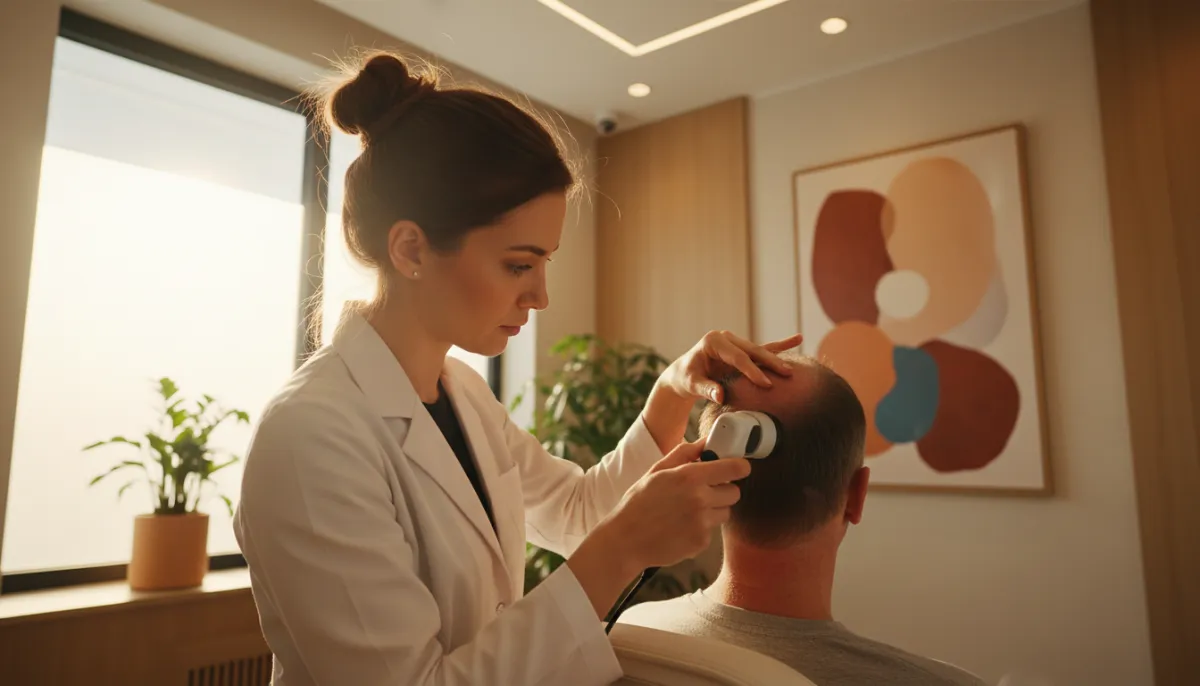
FDA‑Approved Medications: Finasteride and Minoxidil
Two cornerstone medications dominate prescription treatment for hair loss: Finasteride and Minoxidil. Both have robust clinical evidence and are frequently recommended by dermatologists.
Finasteride (Oral)
Finasteride works by inhibiting the enzyme 5‑alpha‑reductase, which converts testosterone to dihydrotestosterone (DHT). Lower DHT levels reduce follicular miniaturization, allowing existing hairs to thicken and new growth to emerge.
| Aspect | Details |
|---|---|
| Typical Dose | 1 mg daily (prescription strength) |
| Target Audience | Men with androgenetic alopecia; off‑label use in women under specialist supervision |
| Time to Noticeable Results | 3–6 months |
| Vaak voorkomende bijwerkingen | Decreased libido, erectile dysfunction, rare mood changes |
Minoxidil (Topical)
Minoxidil, originally an antihypertensive, promotes vasodilation and enhances blood flow to hair follicles. It is available in 2 % and 5 % concentrations and can be used by both men and women.
- Application: Apply to dry scalp twice daily.
- Expected Growth: Visible regrowth in 4–12 months.
- Side Effects: Scalp irritation, itching, rare unwanted facial hair.
Both Finasteride and Minoxidil are often combined for synergistic effect, especially in male pattern baldness. Dermatologists tailor the regimen based on age, health status, and treatment goals.
Prescription‑Strength Topical Solutions and Oral Therapies
Beyond the two FDA‑approved staples, dermatologists may prescribe additional agents that target specific pathways involved in hair growth.
Topical Corticosteroids
For inflammatory alopecia (e.g., alopecia areata), high‑potency corticosteroid creams or ointments are applied to suppress immune activity around the follicle. Treatment cycles typically last 4–8 weeks, followed by a taper to minimize skin thinning.
Oral Anti‑Androgens (Women)
Spironolactone, an aldosterone antagonist with anti‑androgen properties, is commonly used in women with hormonal hair loss. Dosages range from 50 mg to 200 mg daily, with monitoring of potassium levels.
Platelet‑Rich Plasma (PRP) Injections
PRP is an autologous therapy where a patient’s own blood is centrifuged to concentrate platelets, then injected into the scalp. While not a medication, many dermatologists incorporate PRP as a prescription‑guided adjunct to improve follicular vitality.
- Frequency: Typically 3‑4 sessions spaced 4–6 weeks apart.
- Outcome: 30‑40 % of patients report increased hair density.
- Considerations: Requires a qualified practitioner; results vary.
These options expand the toolbox for patients who may not respond fully to Finasteride or Minoxidil alone, providing a personalized approach to hair restoration.
Emerging Treatments and Combination Approaches
Research continues to uncover novel pathways that influence hair growth. Dermatologists stay abreast of these developments to offer cutting‑edge options when appropriate.
Oral JAK Inhibitors
Janus kinase (JAK) inhibitors such as Tofacitinib have shown promise in treating alopecia areata by modulating immune signaling. Though not yet FDA‑approved for hair loss, they are prescribed off‑label in specialized clinics.
Low‑Level Laser Therapy (LLLT)
LLLT devices emit red light that stimulates cellular activity in hair follicles. While often sold as over‑the‑counter devices, dermatologists may prescribe professional‑grade laser caps for consistent use.
Combination Protocols
Combining Finasteride, Minoxidil, and PRP, or adding oral supplements such as biotin and zinc, can enhance outcomes. A typical combination regimen might look like:
- Finasteride 1 mg daily.
- Minoxidil 5 % solution twice daily.
- PRP sessions every 6 weeks for the first 4 months.
- Biotin 2,500 µg daily and zinc 30 mg daily.
These protocols are customized after thorough evaluation, ensuring safety and maximizing efficacy.
Managing Side Effects and Setting Realistic Expectations
Even with the best‑in‑class prescriptions, side effects can arise. Dermatologists play a crucial role in monitoring and adjusting treatment to maintain patient comfort.
Vaak voorkomende bijwerkingen
- Finasteride – sexual dysfunction, rare mood changes.
- Minoxidil – scalp irritation, unwanted facial hair.
- Topical steroids – skin thinning with prolonged use.
Open communication enables early detection and mitigation. Patients are encouraged to report any adverse reactions promptly.
Realistic Timeline
Hair growth is a gradual process. Most patients notice the first signs of regrowth after 3–4 months, with full results emerging around the 12‑month mark. Patience and adherence to the prescribed regimen are essential for success.
Understanding what do dermatologists prescribe for hair loss helps set realistic goals and reduces frustration. Regular follow‑up appointments allow the dermatologist to assess progress and modify the plan as needed.
Why Choose Gold City Medical Center
Gold City Medical Center combines integrative medicine with cutting‑edge dermatology to deliver personalized hair‑loss solutions. Our team of board‑certified dermatologists collaborates closely with cosmetic specialists, ensuring that each treatment plan addresses both medical and aesthetic goals. With state‑of‑the‑art facilities and a patient‑centered approach, we provide comprehensive care—from diagnosis to long‑term maintenance—tailored to your unique needs.
Ready to take the next step toward fuller, healthier hair? Contact Gold City Medical Center today to schedule a personalized consultation and discover the most effective prescription options for your situation.
Call us or use our online booking system—your journey to confidence starts now.
FAQ
What medications do dermatologists prescribe for hair loss?
Dermatologists commonly prescribe Finasteride and Minoxidil, and may add topical corticosteroids, oral anti‑androgens, or PRP injections depending on the cause.
How does Finasteride work to treat hair loss?
Finasteride blocks the enzyme 5‑alpha‑reductase, lowering DHT levels and reducing hair‑follicle miniaturization.
What are the common side effects of Minoxidil?
Minoxidil may cause scalp irritation, itching, and occasional unwanted facial hair growth.
Can PRP therapy be combined with prescription medications for hair loss?
Yes, PRP is often used alongside Finasteride and Minoxidil to enhance results.
When should I see a dermatologist for hair loss?
Consult a dermatologist if you notice rapid thinning, patchy loss, or no improvement after lifestyle changes.
Are there emerging treatments for hair loss beyond Finasteride and Minoxidil?
Emerging options include oral JAK inhibitors, low‑level laser therapy, and combination protocols with supplements.
How long does it take to see results from prescription hair loss treatments?
Most patients notice initial regrowth after 3–4 months, with full results by 12 months.





