Many people wonder if the way they style their hair can create a bald spot from parting hair. This article explores the science behind localized hair loss caused by repeated parting, outlines the most common contributing factors, and provides practical steps to protect your scalp. According to dermatological surveys, up to 15 % of individuals who frequently part their hair in the same location report noticeable thinning over time. Understanding why this happens is essential for anyone who wants to maintain a full, healthy head of hair.
We will examine how tension, friction, and scalp health interact, compare the role of genetic conditions such as alopecia areata versus mechanical forces, and discuss both preventive measures and medical treatments. Whether you are dealing with a subtle thinning line or a more pronounced bald patch, the information below will help you make informed decisions about styling, care, and professional options.
By the end of this guide, you will know how to recognize early signs, what lifestyle adjustments can reduce risk, and which clinical interventions are most effective for restoring hair density.
Understanding Hair Parting and Its Impact on Scalp Health
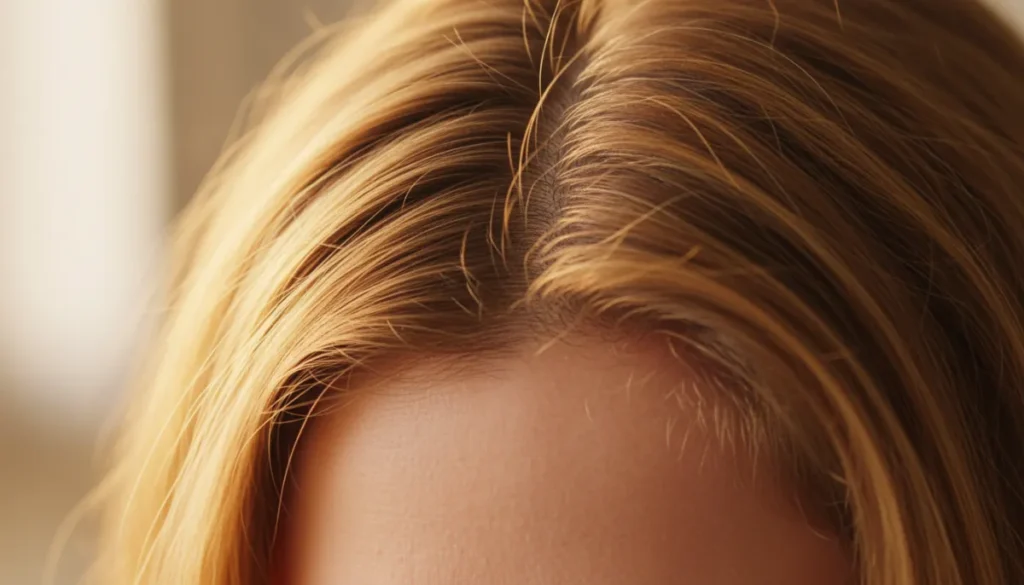
Hair parting is a simple styling technique, but when performed consistently in the same spot, it can create a micro‑environment that stresses hair follicles. The repeated pressure from a comb or brush, combined with the weight of the hair itself, may lead to traction alopecia, a form of hair loss caused by constant pulling. While traction alopecia is often associated with tight hairstyles, the same principle applies to a deep, daily part.
Key factors influencing scalp health in the context of parting include:
- Mechanical tension from styling tools.
- Reduced blood flow due to constant pressure.
- Accumulation of sebum and debris that can irritate follicles.
- Potential inflammation that accelerates hair shedding.
These elements can trigger a cascade that shifts hair from the anagen (growth) phase to the telogen (resting) phase, resulting in a noticeable bald spot. It is important to differentiate this from genetic patterns such as alopecia androgenetica, which typically follow a predictable recession pattern rather than a localized patch.
Common Causes of Localized Bald Spots
While a bald spot from parting hair is often linked to mechanical stress, several other conditions can produce a similar appearance. Understanding these helps you rule out underlying medical issues.
Alopecia tractie
This condition arises when hair is consistently pulled tight, whether by a deep part, braids, or extensions. The friction damages the follicle’s attachment to the scalp, leading to gradual thinning.
Alopecia Areata
Alopecia areata is an autoimmune disorder that causes sudden, round patches of hair loss. Unlike traction‑induced spots, these patches are typically smooth, well‑defined, and may appear anywhere on the scalp.
Androgenetic Alopecia
Also known as male or female pattern baldness, this hereditary condition follows a predictable pattern—receding hairline or crown thinning—rather than a single localized patch.
Andere bijdragende factoren
- Hormonal fluctuations (e.g., thyroid imbalance).
- Scalp infections or dermatological conditions such as seborrheic dermatitis.
- Nutritional deficiencies, especially iron and vitamin D.
Below is a quick comparison of these causes:
| Condition | Typical Pattern | Primary Trigger | Reversibility |
|---|---|---|---|
| Alopecia tractie | Localized near part or tight hairstyle | Mechanical tension | Often reversible if stopped early |
| Alopecia Areata | Round, smooth patches | Auto-immuunrespons | Variable, may regrow |
| Androgenetic Alopecia | Receding hairline, crown thinning | Genetics & hormones | Progressive, managed with medication |
When Parting Hair Contributes to Hair Loss: Mechanisms Explained
Not every deep part leads to a bald spot, but certain mechanisms increase the risk. Understanding these can help you adjust your routine before damage becomes permanent.
Friction‑Induced Follicle Damage
Every time a comb or brush passes through a part, microscopic friction occurs. Over years, this can erode the protective cuticle surrounding each hair shaft, making the follicle more vulnerable to breakage and shedding.
Reduced Microcirculation
Constant pressure on a specific scalp area can compress tiny blood vessels, limiting oxygen and nutrient delivery. Hair follicles rely on a steady blood supply to stay in the growth phase; reduced flow accelerates the transition to the telogen phase.
Inflammatory Response
Repeated mechanical stress may trigger a low‑grade inflammatory response. Inflammation releases cytokines that can shorten the hair growth cycle and promote miniaturization of follicles, a hallmark of thinning hair.
These mechanisms often overlap with other forms of hair loss. For example, a person already experiencing hair thinning due to androgenetic alopecia may notice a more pronounced bald spot where the part is located because the follicles are already compromised.
Prevention Strategies: Styling, Care, and Lifestyle Adjustments
Preventing a bald spot from parting hair involves both gentle styling techniques and overall scalp wellness. Below are evidence‑based steps you can incorporate into your daily routine.
Gentle Parting Techniques
- Alternate the side of your part every few weeks to distribute tension.
- Use a wide‑tooth comb or a brush with soft bristles when creating a part.
- Avoid pulling the hair tightly while parting; let the natural fall guide the line.
Scalp Care Practices
- Massage the scalp for 2–3 minutes daily to stimulate microcirculation.
- Choose a mild, sulfate‑free shampoo that maintains natural oils.
- Apply a lightweight, non‑comedogenic scalp serum containing peptides or minoxidil if you have early thinning.
Nutrition and Lifestyle
- Ensure adequate intake of iron, zinc, vitamin D, and biotin.
- Manage stress through mindfulness, exercise, or yoga, as chronic stress can exacerbate hair loss.
- Stay hydrated; proper hydration supports overall skin and scalp health.
Implementing these measures can dramatically reduce the likelihood of developing a permanent bald spot. If you notice early signs—such as a small thinning line—addressing them promptly often leads to full regrowth.
Treatment Options for Bald Spots Caused by Parting
If preventive steps are insufficient and a bald spot from parting hair has already formed, several medical and cosmetic treatments can help restore density.
Topical Therapies
Minoxidil (2 % for women, 5 % for men) is FDA‑approved for promoting hair regrowth. Applied twice daily, it can increase follicular size and extend the anagen phase, especially effective in early‑stage traction‑related loss.
Platelet‑Rich Plasma (PRP) Injections
PRP utilizes your own blood platelets to deliver growth factors directly to the affected scalp area. Studies show a 30‑40 % improvement in hair thickness after a series of three monthly sessions.
Hair Transplant Surgery
For permanent, well‑defined patches, follicular unit extraction (FUE) offers a natural‑looking solution. Donor hair from the back of the head is transplanted into the bald spot, ensuring long‑term survival because the donor area is resistant to the same mechanical stress.
Low‑Level Laser Therapy (LLLT)
LLLT devices emit red light that stimulates cellular activity in hair follicles. Regular use (15‑20 minutes per session) can improve hair density and reduce shedding.
Below is a concise comparison of these treatments:
| Behandeling | Typical Sessions | Effectiveness | Recovery Time |
|---|---|---|---|
| Minoxidil | Daily application | Moderate (30‑50 % improvement) | None |
| PRP | 3‑4 sessions | High (30‑40 % thickness gain) | 1‑2 days |
| FUE Transplant | 1‑2 days procedure | Very High (permanent) | 7‑10 days |
| LLLT | 3‑5 times/week | Low‑Moderate | None |
Choosing the right approach depends on the size of the bald spot, your overall hair health, and personal preferences. Consulting a qualified specialist ensures a tailored plan that maximizes results while minimizing risks.
Why Choose Gold City Medical Center
Gold City Medical Center combines advanced medical expertise with a holistic approach to hair health. Our team of dermatologists, trichologists, and cosmetic surgeons offers personalized assessments, state‑of‑the‑art PRP and laser therapies, and expertly performed FUE transplants. By integrating medical treatments with lifestyle counseling, we address both the symptoms and underlying causes of hair loss, ensuring lasting results for clients seeking to restore confidence and scalp wellness.
Ready to stop a bald spot from parting hair before it becomes permanent? Contact Gold City Medical Center today to schedule a comprehensive scalp evaluation and discover the most effective treatment plan for you.
Take the first step toward healthier hair—call now or fill out our online consultation form.
FAQ
What causes a bald spot from parting hair?
Repeated pressure and friction from a consistently placed hair part can damage follicles, leading to localized hair loss.
How can I prevent hair loss caused by frequent parting?
Alternate your part, use gentle tools, and maintain scalp health with massage, proper shampoo, and nutrition.
Is traction alopecia the same as a bald spot from parting?
Yes, a bald spot from parting is a form of traction alopecia caused by mechanical stress from styling.
What treatments are effective for a bald spot caused by parting?
Topical minoxidil, PRP injections, hair transplant surgery, and low‑level laser therapy are proven options.
Can changing my parting side help regrow hair?
Yes, alternating the part can reduce ongoing stress and allow damaged follicles to recover.
How long does it take to see results with minoxidil for parting‑related hair loss?
Typically 3 to 6 months of consistent twice‑daily use are needed to notice improvement.





