When hair suddenly thins after a stressful event, many people turn to telogen effluvium specialists for answers. This form of hair shedding is one of the most common reasons for sudden, diffuse hair loss, yet it is often misunderstood. In this article we explore what telogen effluvium is, why stress can trigger it, how professionals diagnose the condition, and which treatment paths lead to regrowth. By the end, you’ll know when to seek help and what to expect from a qualified hair loss expert.
Recent studies indicate that up to 30 % of individuals experiencing a major life stressor notice noticeable hair shedding within three months. The good news is that, with proper care, most patients recover fully. Understanding the underlying mechanisms helps you partner effectively with a specialist and set realistic expectations for recovery.
We will cover the biology of the hair cycle, common triggers such as illness, hormonal shifts, and emotional stress, the diagnostic process performed by dermatologists and trichologists, and evidence‑based treatment options. Whether you are dealing with a temporary shedding episode or suspect a chronic condition, this guide equips you with the knowledge to navigate the journey confidently.
Wat is telogeen effluvium?
Telogen effluvium is a reversible form of hair loss that occurs when a larger-than‑usual number of hairs enter the telogen (resting) phase of the growth cycle. Normally, about 10 % of scalp hairs are in telogen; in telogen effluvium this proportion can rise to 30 % or more, leading to noticeable thinning across the entire scalp.
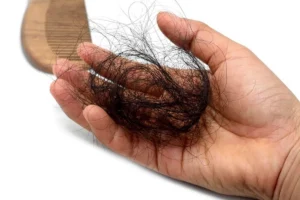
The condition typically presents three to six weeks after a triggering event. Patients report increased shedding during washing, brushing, or styling, often describing it as “hair falling out in clumps.” While the hair loss is diffuse, the scalp itself remains healthy, without inflammation or scarring.
Key characteristics of telogen effluvium include:
- Sudden onset of diffuse shedding
- Hair loss that is most evident on the crown and frontal scalp
- No visible bald patches or scar tissue
- Hair regrowth usually begins within 3–6 months once the trigger is removed
Below is a simple comparison of telogen effluvium versus other common hair‑loss patterns:
| Feature | Telogeen Effluvium | Androgenetic Alopecia | Alopecia Areata |
|---|---|---|---|
| Pattern | Diffuse thinning | Receding hairline / crown thinning | Patchy bald spots |
| Onset | Weeks after trigger | Gradual over years | Sudden patches |
| Scalp condition | Normal, no inflammation | Normal | Possible inflammation |

Common Triggers and How Stress Impacts Hair Growth
Stress is a well‑documented catalyst for telogen effluvium, but it is not the sole trigger. Understanding the full range of causes helps you identify the underlying factor and address it directly.
Typical triggers include:
- Severe emotional stress (bereavement, job loss)
- Physical stress (major surgery, high fever, hospitalization)
- Hormonal changes (post‑partum, thyroid disorders)
- Medications (anticoagulants, retinoids, beta‑blockers)
- Nutritional deficiencies (iron, zinc, protein)
- Rapid weight loss or restrictive diets
Stress influences hair follicles through the release of cortisol and other stress hormones, which can prematurely shift follicles into the telogen phase. This hormonal surge also impairs blood flow to the scalp, reducing nutrient delivery and further encouraging shedding.
Below is a table summarizing the most frequent stress‑related triggers and recommended preventive actions:
| Trigger | Typical Time to Onset | Preventive/Management Strategy |
|---|---|---|
| Acute emotional trauma | 2–4 weeks | Mindfulness, counseling, adequate sleep |
| Major surgery | 3–6 weeks | Post‑operative nutrition, gentle hair care |
| Thyroid imbalance | Variable | Endocrine evaluation, hormone regulation |
| Iron deficiency | 1–3 months | Iron‑rich diet, supplementation under medical supervision |
Diagnosis: When to See a Hair Loss Specialist
If you notice sudden, widespread shedding that persists for more than two months, it is time to consult a qualified professional. While many primary‑care physicians can recognize telogen effluvium, a hair loss specialist—often a dermatologist or trichologist—offers deeper expertise in diagnosis and tailored treatment plans.
During the initial visit, the specialist will:
- Take a detailed medical and lifestyle history
- Perform a scalp examination using a dermatoscope
- Conduct a pull test to assess the proportion of hairs in telogen
- Order blood work to rule out anemia, thyroid disease, or nutritional deficiencies
In some cases, a scalp biopsy may be recommended to differentiate telogen effluvium from scarring alopecias.
Below is a comparison of diagnostic tools commonly used by telogen effluvium specialists:
| Tool | Purpose | Typical Use |
|---|---|---|
| Dermatoscopy | Visualize follicle health | First‑line examination |
| Pull Test | Quantify telogen hairs | During clinical visit |
| Blood Panel | Identify systemic causes | When anemia, thyroid, or deficiencies suspected |
| Scalp Biopsy | Rule out scarring disorders | Rare, when diagnosis unclear |
Early evaluation by a dermatologist for hair loss or a trichologist near you can shorten the recovery period and prevent chronic shedding.
Treatment Options and Lifestyle Strategies
Once the trigger is identified, treatment focuses on supporting the hair follicles while the body restores its normal growth cycle. Options range from medical therapies to simple lifestyle adjustments.
Medical approaches commonly prescribed by telogen effluvium specialists include:
- Topical minoxidil to stimulate follicular activity
- Oral iron or zinc supplements when deficiencies are confirmed
- Low‑dose oral corticosteroids for severe inflammatory triggers (short‑term)
- Platelet‑rich plasma (PRP) injections to improve scalp vascularity
Non‑medical strategies are equally important:
- Adopt a balanced diet rich in proteins, omega‑3 fatty acids, and vitamins A, D, E
- Practice stress‑management techniques such as yoga, meditation, or regular exercise
- Avoid harsh hair treatments, tight hairstyles, and excessive heat styling
- Ensure adequate sleep (7–9 hours) to support hormonal balance
Below is a side‑by‑side look at short‑term versus long‑term treatment components:
| Component | Short‑Term Focus | Long‑Term Focus |
|---|---|---|
| Medication | Minoxidil, short‑course steroids | Maintenance dosing, nutritional supplements |
| Lifestyle | Stress‑relief activities, sleep hygiene | Sustainable diet, regular exercise |
| Procedures | PRP sessions (if indicated) | Periodic follow‑up assessments |
Most patients notice a reduction in shedding within two to three months, with visible regrowth typically appearing after six months of consistent care.
Choosing the Right Specialist for Your Needs
Not all practitioners have the same depth of experience with telogen effluvium. Selecting a specialist who combines dermatological expertise with a holistic approach ensures comprehensive care.
Key criteria to evaluate when searching for a hair loss specialist include:
- Board certification in dermatology or a recognized qualification in trichology
- Specific experience treating telogen effluvium and stress‑related hair loss
- Access to diagnostic tools such as dermatoscopy and comprehensive blood testing
- Transparent treatment plans with realistic timelines
- Patient reviews highlighting empathy and clear communication
Here is a quick comparison of typical provider types you may encounter:
| Provider | Training | Focus | Typical Services |
|---|---|---|---|
| Dermatologist | Medical school + dermatology residency | Medical & surgical hair disorders | Biopsies, prescription meds, PRP |
| Trichologist | Specialized hair‑science certification | Non‑surgical hair health | Scalp analysis, nutritional counseling |
| Integrated Hair Clinic | Combination of medical and cosmetic training | Holistic approach | Combined medical + aesthetic treatments |
When you schedule a consultation, ask about the specialist’s protocol for telogen effluvium, expected follow‑up frequency, and how they integrate lifestyle counseling with medical therapy.
Why Choose Gold City Medical Center
Gold City Medical Center brings together a team of board‑certified dermatologists and experienced trichologists dedicated to integrative hair‑loss care. Our clinic combines state‑of‑the‑art diagnostics with personalized treatment plans that address both medical and lifestyle factors. With a proven track record in restoring hair health after stress‑related shedding, we offer patients a compassionate environment and evidence‑based solutions that deliver lasting results.
Ready to regain confidence and stop the shedding? Contact Gold City Medical Center today to schedule a comprehensive evaluation with our telogen effluvium specialists. Take the first step toward healthier hair and a calmer mind.
FAQ
What causes telogen effluvium?
Telogen effluvium is triggered by events that push a large number of hair follicles into the resting (telogen) phase, such as severe stress, illness, hormonal changes, medications, or nutritional deficiencies.
Hoe lang duurt telogeen effluvium?
Most cases resolve within 6–12 months after the trigger is removed, with noticeable regrowth often starting after 3–6 months.
How is telogen effluvium diagnosed?
Diagnosis involves a clinical history, scalp examination, pull test, dermatoscopy, and blood work to rule out systemic causes.
What treatments are effective for stress‑related hair loss?
Effective options include topical minoxidil, iron or zinc supplementation, short‑course corticosteroids, PRP injections, and lifestyle changes like stress management and balanced nutrition.
Can diet improve telogen effluvium?
Yes, correcting nutritional deficiencies and eating a balanced diet can speed recovery and prevent future episodes.
When should I see a hair loss specialist?
If diffuse shedding persists for more than two months or is accompanied by other symptoms, schedule an appointment with a dermatologist or trichologist promptly.