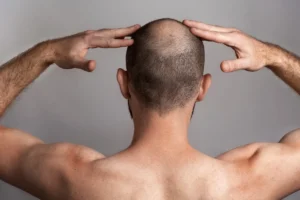
Many people wonder do women get receding hairlines and what that might mean for their overall hair health. While hair loss is often associated with men, a growing number of women experience a gradual shift of the frontal hairline that can affect confidence and appearance. Recent studies show that up to 40 % of women notice some form of hairline thinning by the age of 50, making awareness and early intervention essential.
In this article we will explore the underlying reasons behind a receding hairline in women, how to spot the early signs, and which hair loss treatments are proven to work. Whether you are just noticing subtle changes or have already seen noticeable thinning, understanding the process empowers you to choose the right solution.
We’ll also discuss lifestyle adjustments, medical options, and why consulting a specialist at Gold City Medical Center can make a significant difference. By the end of this guide, you’ll have a clear roadmap for addressing a receding hairline and restoring confidence in your look.
What Causes a Receding Hairline in Women?
A receding hairline in women is rarely the result of a single factor. Instead, it typically arises from a combination of hormonal, genetic, and environmental influences. Recognizing these causes helps tailor the most effective behandeling tegen haaruitval plan.
Hormonale factoren
Fluctuations in estrogen, progesterone, and especially dihydrotestosterone (DHT) play a pivotal role. Conditions such as polycystic ovary syndrome (PCOS) or menopause can increase DHT levels, leading to follicle mini‑miniaturization and a gradual shift of the hairline.
Genetic Influence
Family history remains a strong predictor. Women who inherit the gene for female pattern baldness may experience a thinning frontal zone even if the classic “horseshoe” pattern is less pronounced than in men.
Medical Conditions and Medications
Thyroid disorders, iron deficiency, and autoimmune diseases like alopecia areata can trigger hairline recession. Certain medications—including anticoagulants, antidepressants, and high‑dose vitamin A—may also contribute.
Physical and Environmental Stressors
Repeated tension from tight hairstyles (traction alopecia), harsh chemical treatments, and chronic stress can weaken the hair shaft and accelerate recession.
- Hormonal imbalance (e.g., menopause, PCOS)
- Genetic predisposition to female pattern baldness
- Thyroid or iron deficiencies
- Medication side effects
- Traction from tight hairstyles
How to Recognize Early Signs of Hairline Changes
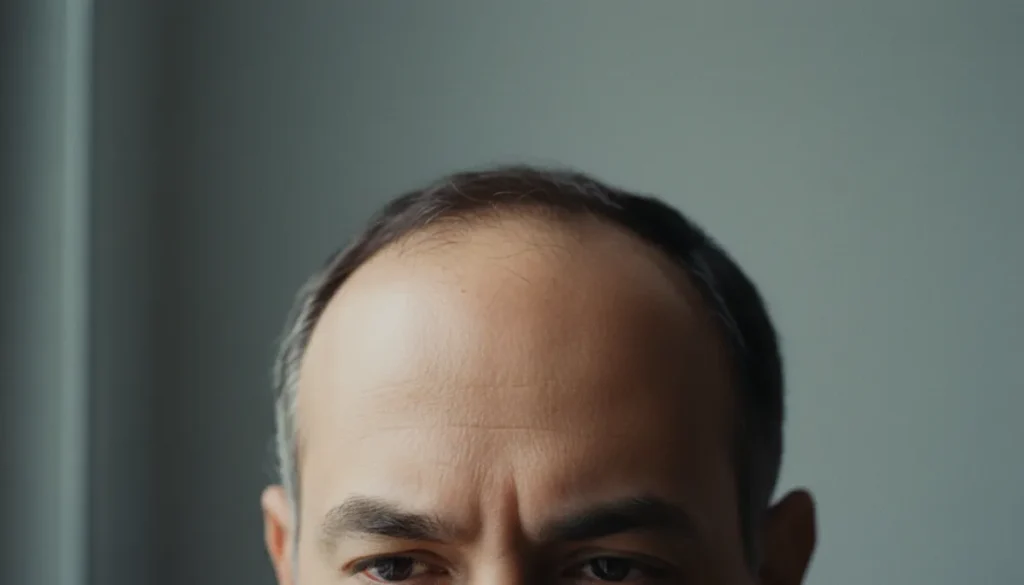
Identifying a receding hairline early can dramatically improve treatment outcomes. Women often mistake subtle thinning for normal shedding, but there are distinct visual cues that signal a shift in the frontal zone.
Visual Indicators
Look for a widening of the part, increased visibility of the scalp at the temples, or a gradual “M‑shaped” pattern forming across the forehead. Unlike diffuse thinning, a receding hairline usually starts at the temples and progresses inward.
Fysieke symptomen
Some women notice increased hair shedding during washing or styling, a sensation of tightness on the scalp, or a change in hair texture where new growth appears finer.
Diagnostic Tools
Dermatologists may use a trichoscope to magnify the scalp and assess follicle health, while a simple “hair pull test” can reveal the degree of shedding. Early detection allows for interventions before the recession becomes more pronounced.
| Early Sign | Description | Typical Timeline |
|---|---|---|
| Widened Part | Part appears broader, scalp shows through | 6‑12 months |
| Temple Thinning | Hair density reduces at temples, creating an “M” shape | 12‑24 months |
| Increased Shedding | Noticeable hair loss during washing or brushing | 3‑6 months |
Understanding these signals answers the question do women get receding hairlines by highlighting that the condition is detectable and often manageable when caught early.
Effective Hair Loss Treatments for Women
When addressing the question do women get receding hairlines, the answer is yes, and fortunately, there are several evidence‑based treatments that can halt or even reverse the process. Selecting the right approach depends on the underlying cause, severity, and personal preferences.
Medical Therapies
Topical minoxidil (2 % or 5 %) remains the only FDA‑approved over‑the‑counter solution for female pattern hair loss. It works by extending the anagen phase of the hair cycle, promoting thicker regrowth. Oral medications such as finasteride or spironolactone can be prescribed for hormonal‑related recession, though they require careful monitoring.
Procedural Options
Hair transplantation techniques, including Follicular Unit Extraction (FUE), have advanced to provide natural‑looking results for women with frontal thinning. Platelet‑rich plasma (PRP) therapy is another minimally invasive option that stimulates follicle activity using the patient’s own growth factors.
Adjunctive Treatments
Low‑level laser therapy (LLLT) devices and nutraceuticals containing biotin, zinc, and saw palmetto can complement primary therapies, especially for mild cases.
| Behandeling | Mechanism | Typical Results | Considerations |
|---|---|---|---|
| Topical Minoxidil | Vasodilation, prolongs growth phase | Visible regrowth in 4‑6 months | Requires twice‑daily application |
| Spironolactone (oral) | Anti‑androgen, reduces DHT impact | Improvement in 6‑12 months | Monitor blood pressure, potassium |
| FUE Hair Transplant | Redistribution of healthy follicles | Immediate density, full results by 12 months | Costly, surgical recovery |
| PRP-therapie | Growth factor infusion | Gradual thickening over 3‑6 months | Multiple sessions needed |
Combining these modalities often yields the best outcomes, especially when a personalized plan is crafted by a specialist who understands the nuances of female hair loss.
Lifestyle and Home Remedies to Support Hair Health
While medical interventions are powerful, everyday habits play a crucial role in maintaining a healthy hairline. Simple adjustments can complement professional hair loss treatment for women and may even prevent further recession.
Voeding
Consume a balanced diet rich in protein, iron, omega‑3 fatty acids, and vitamins A, D, and E. Foods such as salmon, leafy greens, nuts, and legumes provide the building blocks for robust hair follicles.
Scalp Care
Gentle cleansing with sulfate‑free shampoos reduces irritation. Regular scalp massage using fingertips or a soft brush improves blood circulation, enhancing nutrient delivery to the follicles.
Stress Management
Chronic stress elevates cortisol, which can disrupt the hair growth cycle. Practices like yoga, meditation, and regular exercise help keep stress hormones in check.
Avoiding Harmful Practices
Limit heat styling, harsh chemical treatments, and tight hairstyles that exert constant tension on the frontal hairline. Opt for loose braids or low‑ponytails instead of tight buns.
- Eat iron‑rich foods (spinach, lentils)
- Include omega‑3 sources (flaxseed, fish)
- Massage scalp for 5 minutes daily
- Practice stress‑relief techniques
- Avoid tight hairstyles and excessive heat
Adopting these habits can answer the lingering question of do women get receding hairlines by showing that proactive care reduces the risk of progression.
When to Seek Professional Help at Gold City Medical Center
If you notice persistent thinning, rapid recession, or accompanying symptoms such as scalp itching or sudden shedding, it’s time to consult a specialist. Gold City Medical Center offers a comprehensive, integrative approach that combines diagnostic precision with tailored treatment plans.
Comprehensive Assessment
Our team conducts a detailed medical history review, blood work to check hormonal and nutritional status, and advanced imaging (trichoscopy) to map the extent of hairline recession.
Gepersonaliseerde behandelplannen
Based on the assessment, we recommend a blend of FDA‑approved medications, cutting‑edge procedures like FUE transplantation, and supportive therapies such as PRP and low‑level laser treatment. Ongoing monitoring ensures adjustments are made as the scalp responds.
Integrated Care for Overall Well‑Being
Beyond hair restoration, we address related concerns—stress, nutrition, and hormonal balance—through our beauty and wellness services, ensuring a holistic path to confidence.
Understanding do women get receding hairlines is the first step; partnering with Gold City Medical Center turns that knowledge into lasting results.
Why Choose Gold City Medical Center
Gold City Medical Center combines cutting‑edge technology with a patient‑focused philosophy, offering a full spectrum of integrative healthcare services. Our expertise spans medical treatments, advanced beauty solutions, and state‑of‑the‑art hair transplantation. With a team of experienced dermatologists, surgeons, and wellness specialists, we deliver personalized care that addresses the root cause of hair loss while supporting overall health. Trust us to guide you toward a fuller, healthier hairline with confidence and compassion.
Ready to reclaim a confident hairline? Contact Gold City Medical Center today to schedule your personalized hair health assessment. Experience expert care, advanced treatments, and a supportive team dedicated to your well‑being.
FAQ
Do women get receding hairlines?
Yes, many women experience a gradual recession of the frontal hairline, especially after hormonal changes or with genetic predisposition.
What are the main causes of a receding hairline in women?
The primary causes include hormonal imbalances, genetic predisposition, medical conditions, certain medications, and physical or environmental stressors.
How can I recognize early signs of a receding hairline?
Early signs include a widening part, visible scalp at the temples, an “M‑shaped” forehead, increased shedding, and scalp tightness.
What treatment options are available for women with a receding hairline?
Treatments range from FDA‑approved topical minoxidil and oral anti‑androgens to hair transplantation, PRP therapy, low‑level laser devices, and supportive nutraceuticals.
When should I consult a specialist for hair loss?
Seek professional help if you notice persistent thinning, rapid recession, excessive shedding, scalp itching, or any sudden changes in hair density.
Can lifestyle changes help prevent a receding hairline?
Yes, proper nutrition, scalp care, stress management, and avoiding harsh styling can support hair health and reduce the risk of further recession.