Finding the right hair loss teenager treatment can feel overwhelming for both teens and their families, especially when the issue emerges during such a formative period. Early intervention not only improves the chances of regrowth but also supports confidence and emotional well‑being. In fact, studies show that up to 25% of adolescents experience noticeable thinning or bald spots before adulthood.
This article explores the most common causes of teenage hair loss, how to obtain an accurate diagnosis, and the range of medical and non‑surgical therapies available today. We’ll also discuss lifestyle adjustments that complement professional care, and outline when a hair transplant might become a viable option.
Whether you’re dealing with alopecia areata, androgen‑induced thinning, or another form of hair loss, understanding the underlying factors is the first step toward an effective solution. Let’s dive into the science, the treatment pathways, and the supportive resources that can make a real difference for young patients.
Understanding Teen Hair Loss: Causes and Types
Teenage hair loss is often misunderstood as a purely cosmetic concern, yet it can signal underlying health issues. The most prevalent forms include:
- Alopecia areata – an autoimmune condition causing sudden, patchy hair loss.
- Androgenic alopecia – genetically driven thinning that can begin in early teens.
- Telogen effluvium – temporary shedding triggered by stress, illness, or hormonal shifts.
- Scalp infections or dermatological conditions such as seborrheic dermatitis.
Other contributing factors encompass nutritional deficiencies (iron, zinc, vitamin D), thyroid disorders, and certain medications. Recognizing the specific pattern of hair loss helps clinicians narrow down the cause and tailor the treatment plan.
Below is a quick reference of common triggers:
| Trigger | Typical Presentation |
|---|---|
| Genetische aanleg | Gradual thinning at the crown or temples |
| Auto-immuunrespons | Round, smooth bald patches |
| Stress or illness | Diffuse shedding across the scalp |
| Nutrient deficiency | Overall thinning, brittle hair |
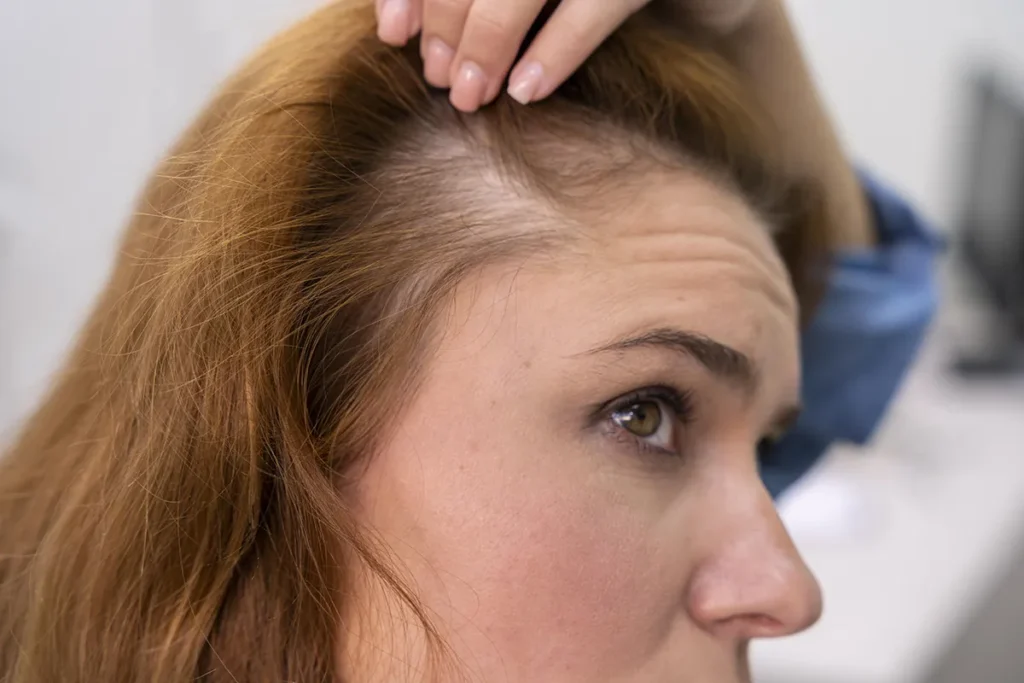
Early Diagnosis and Professional Evaluation
Prompt assessment by a qualified dermatologist or trichologist is essential for a successful hair loss teenager treatment. Professionals employ a combination of visual examination, medical history, and targeted tests to pinpoint the cause.
Key diagnostic tools include:
- Scalp dermoscopy – magnified view of follicles and scalp health.
- Blood panels – checking iron, thyroid hormones, vitamin D, and hormonal levels.
- Pull test – gently pulling a small bundle of hair to gauge shedding rate.
- Biopsy (rare) – for complex or ambiguous cases.
Understanding the results guides the selection of appropriate therapies and helps set realistic expectations.
Comparison of common diagnostic methods:
| Methode | Purpose | Invasiveness | Typical Turnaround |
|---|---|---|---|
| Scalp Dermoscopy | Visualize follicle health | Non‑invasive | Immediate |
| Blood Tests | Identify systemic causes | Minimaal invasief | 1–3 days |
| Pull Test | Assess active shedding | Non‑invasive | Immediate |
| Scalp Biopsy | Detailed histology | Invasive | 1–2 weeks |
Treatment Options for Teens: Medical and Non‑Surgical Approaches
Once the cause is identified, a range of evidence‑based treatments can be considered. The choice depends on the diagnosis, severity, and the teen’s overall health.
Topical Therapies
Minoxidil 2% is the most widely approved over‑the‑counter solution for adolescent hair loss. It stimulates follicular activity and is safe when applied as directed.
Oral Medications
In cases of androgenic alopecia, low‑dose oral finasteride may be prescribed, though it is typically reserved for post‑pubescent males after careful risk assessment.
Platelet‑Rich Plasma (PRP) Injections
PRP leverages the patient’s own platelets to release growth factors that encourage hair regrowth. Multiple sessions spaced a month apart often yield noticeable improvements.
Low‑Level Laser Therapy (LLLT)
Handheld or helmet‑style laser devices increase scalp circulation and cellular metabolism, supporting natural hair growth.
Lifestyle and Nutritional Support
Supplementing with biotin, iron, zinc, and omega‑3 fatty acids, alongside a balanced diet rich in protein, can enhance treatment outcomes.
Below is a concise overview of the main options:
- Minoxidil – topical, twice daily, suitable for most teens.
- Finasteride – oral, prescription only, for male pattern hair loss.
- PRP – in‑office injections, 3‑4 sessions recommended.
- LLLT – at‑home devices, 15‑20 minutes daily.
- Nutritional supplements – tailored to deficiency profile.
Managing Expectations and Lifestyle Support
Even the most advanced hair loss teenager treatment plans require realistic expectations. Hair regrowth is a gradual process, often taking 3–6 months to become visible. Consistency, patience, and supportive habits are crucial.
Key lifestyle strategies include:
- Gentle hair care – avoid tight hairstyles, harsh chemicals, and excessive heat.
- Stress reduction – mindfulness, regular exercise, and adequate sleep improve hormonal balance.
- Balanced nutrition – prioritize lean proteins, leafy greens, and healthy fats.
- Regular follow‑up – track progress with your dermatologist every 3 months.
Open communication with family and school counselors can also mitigate the emotional impact of hair loss, fostering a supportive environment for the teen.
When to Consider Hair Transplant: Eligibility for Young Patients
Hair transplantation is generally reserved for individuals with stable hair loss patterns and sufficient donor hair. For teenagers, the decision hinges on several factors:
- Age and hormonal stability – most surgeons prefer patients to be at least 18‑20 years old.
- Progression of loss – the pattern should be predictable and not rapidly changing.
- Donor area health – adequate density in the back or sides of the scalp.
- Psychological readiness – realistic expectations and commitment to post‑procedure care.
Gold City Medical Center offers state‑of‑the‑art follicular unit extraction (FUE) performed by board‑certified specialists. The clinic combines meticulous planning with advanced imaging to ensure natural‑looking results, even for younger patients.
Why Choose Gold City Medical Center
Gold City Medical Center blends integrative medicine with cutting‑edge aesthetic expertise. Our multidisciplinary team includes dermatologists, trichologists, and certified hair‑restoration surgeons who collaborate to create personalized treatment plans for teenagers. We prioritize safety, evidence‑based protocols, and compassionate care, ensuring each young patient feels supported throughout their journey.
Ready to take the first step toward healthier hair? Contact Gold City Medical Center today to schedule a comprehensive evaluation and discover the most effective hair loss teenager treatment for your needs.
Call us or fill out the online form – our specialists are here to guide you every step of the way.
FAQ
What are the common causes of hair loss in teenagers?
Teenage hair loss can stem from alopecia areata, androgenic alopecia, telogen effluvium, scalp infections, nutrient deficiencies, thyroid disorders, and certain medications.
How is teenage hair loss diagnosed by professionals?
Dermatologists use visual exams, scalp dermoscopy, blood tests, pull tests, and occasionally biopsies to pinpoint the cause of hair loss in teens.
What medical treatments are approved for teenage hair loss?
Minoxidil 2% topical solution is the primary FDA‑approved treatment for teens, while low‑dose finasteride may be used off‑label for post‑pubescent males after careful evaluation.
Can non‑surgical options like PRP and laser therapy help teenage hair loss?
Yes, PRP injections and low‑level laser therapy (LLLT) are evidence‑based non‑surgical options that can promote hair regrowth in teens when combined with proper medical care.
What lifestyle changes support hair regrowth in teenagers?
Gentle hair care, stress reduction, balanced nutrition, and regular follow‑up appointments are key lifestyle factors that aid hair regrowth.
When is a hair transplant considered for a teenage patient?
Hair transplantation is usually reserved for teens who have stable hair loss patterns, are at least 18‑20 years old, have sufficient donor hair, and demonstrate psychological readiness.





