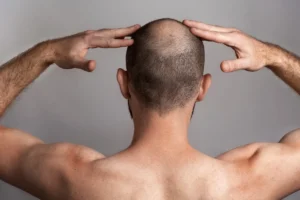
Many people wonder what does thinning hair look like and how to recognize the early signs before noticeable baldness sets in. Understanding the visual cues can help you act quickly, whether you are seeking medical advice or exploring cosmetic options. In fact, studies show that up to 40 % of men and 30 % of women notice hair density changes by the age of 30, yet only a fraction seek professional evaluation early enough.
This article explains the typical patterns of hair thinning, the underlying causes, and the diagnostic steps you can take at a reputable clinic. We also outline practical treatment pathways—from topical solutions to advanced hair‑transplant techniques—so you can make informed decisions about restoring volume and confidence.
By the end of this guide, you will be able to answer the question “what does thinning hair look like” with confidence, identify the stage of your own hair loss, and know the next steps toward effective management.
Typical Visual Signs of Hair Thinning
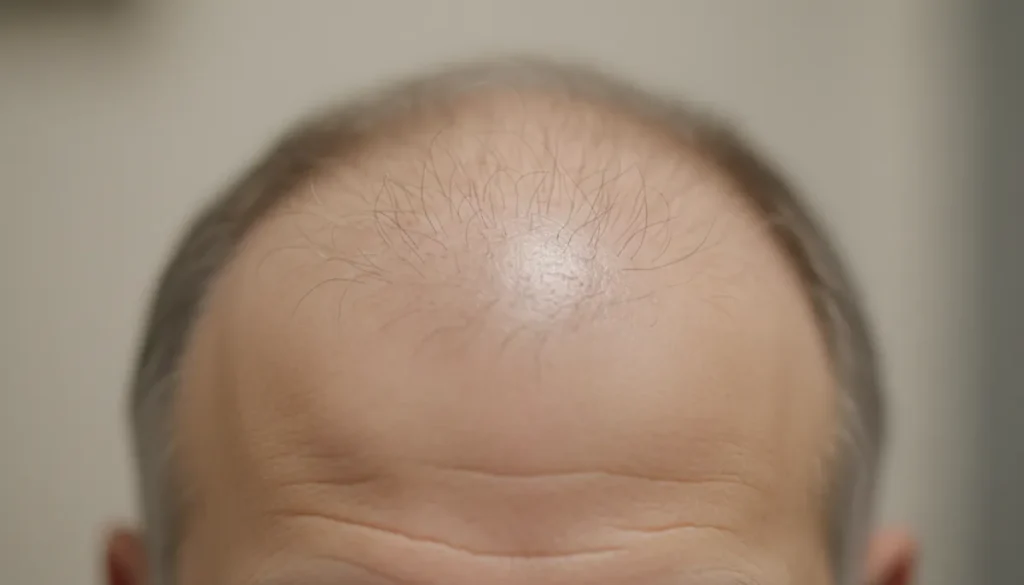
Recognizing the early visual indicators of hair thinning is essential for timely intervention. The most common patterns include:
- Increased scalp visibility, especially on the crown and temples.
- Fine, shorter strands that lack the usual thickness.
- Widened parting lines where hair density appears reduced.
- Uneven hair distribution, often creating a “halo” effect around the hairline.
These signs may appear gradually, making them easy to overlook. A side‑by‑side comparison often clarifies the difference between normal shedding and progressive thinning.
| Stage | Scalp Visibility | Hair Density |
|---|---|---|
| Vroeg | Minimal, only under bright light | 90 % of original density |
| Mid | Visible on crown, especially when hair is wet | 70‑80 % of original density |
| Advanced | Clear patches, often triangular on the front | Below 50 % of original density |
When you ask yourself “what does thinning hair look like,” picture these progressive changes. The scalp may become more pronounced, and the hair strands may appear finer and less resilient. Recognizing these cues early can guide you toward the most effective treatment options.
Common Causes Behind Hair Thinning
Hair thinning can result from a variety of factors, each influencing the hair growth cycle in distinct ways. Understanding the root cause is vital for selecting the appropriate therapy.
Genetische factoren
Androgenetic alopecia, often referred to as male or female pattern baldness, is the most prevalent hereditary condition. It typically manifests as a receding hairline in men and diffuse thinning across the crown in women.
Hormonale veranderingen
Fluctuations in hormones—such as during pregnancy, menopause, or thyroid disorders—can trigger telogen effluvium, a temporary shedding phase that leads to noticeable thinning.
Lifestyle Influences
Stress, poor nutrition, and certain hairstyles that exert tension (traction alopecia) can accelerate hair loss. Even excessive use of heat styling tools contributes to follicle damage.
By reviewing the question “what does thinning hair look like,” you can often correlate the visual pattern with one of these underlying causes. For instance, a triangular bald spot on the front may suggest androgenetic alopecia, while diffuse thinning across the entire scalp could point to hormonal imbalance or stress‑related telogen shedding.
- Genetic predisposition – often evident in family history.
- Hormonal shifts – linked to thyroid, pregnancy, or menopause.
- Stress and nutrition – high‑impact lifestyle factors.
- Mechanical traction – tight braids, ponytails, or helmets.
Diagnosing Thinning Hair: When to Seek Professional Help
While visual assessment provides valuable clues, a thorough clinical evaluation ensures accurate diagnosis and personalized treatment planning. You should consider a professional consultation if you notice rapid changes, persistent shedding, or any of the following signs:
- Sudden increase in hair loss (>100 hairs per day).
- Visible scalp patches that do not improve after a few months.
- Associated symptoms such as itching, redness, or pain.
Clinical Examination
Dermatologists use a trichoscope to magnify the scalp, allowing them to assess follicle health, hair shaft thickness, and the presence of miniaturized hairs. This non‑invasive tool helps differentiate between alopecia areata, telogen effluvium, and androgenetic alopecia.
Diagnostic Tests
In some cases, blood tests are ordered to rule out systemic issues like thyroid disease or iron deficiency. A scalp biopsy may be recommended for ambiguous cases.
| Test | Purpose | Typical Findings |
|---|---|---|
| Trichoscopy | Visualize follicle health | Miniaturized hairs, perifollicular scaling |
| Blood Panel | Check hormonal & nutritional status | Low ferritin, abnormal TSH |
| Scalp Biopsy | Confirm inflammatory patterns | Follicular miniaturization, lymphocytic infiltrate |
Answering “what does thinning hair look like” is only the first step; the diagnostic process clarifies the underlying mechanism, enabling targeted therapy.
Treatment Options for Restoring Hair Volume
Once the cause of thinning hair is identified, a range of treatment modalities can be employed to halt progression and stimulate regrowth.
Medical Therapies
- Minoxidil – topical solution that prolongs the anagen phase, widely used for both men and women.
- Finasteride – oral medication that blocks DHT production, primarily prescribed for male pattern baldness.
- Low‑level laser therapy (LLLT) – non‑invasive light treatment that improves cellular metabolism in hair follicles.
Procedural Interventions
Hair transplantation, performed by skilled surgeons, relocates healthy follicles from donor areas to thinning zones. Techniques such as Follicular Unit Extraction (FUE) provide natural‑looking results with minimal scarring.
Lifestyle Adjustments
Optimizing nutrition (iron, zinc, biotin), reducing stress through mindfulness practices, and avoiding harsh hair care products can complement medical interventions.
When you contemplate “what does thinning hair look like” after treatment, you’ll often notice a gradual thickening of previously sparse areas, a reduction in scalp visibility, and a healthier overall hair silhouette.
| Behandeling | Mechanism | Typical Time to Visible Results |
|---|---|---|
| Minoxidil | Vasodilation & follicle stimulation | 3‑6 months |
| Finasteride | DHT inhibition | 6‑12 months |
| LLLT | Photobiomodulation | 4‑8 months |
| FUE Transplant | Follicle relocation | 9‑12 months |
Preventive Strategies to Slow Hair Thinning
Even after initiating treatment, adopting preventive habits can sustain hair health and reduce the likelihood of future thinning.
Voeding
Consume a balanced diet rich in proteins, omega‑3 fatty acids, and essential vitamins (A, D, E, B‑complex). Micronutrients like zinc and selenium support follicle resilience.
Scalp Care
- Gentle cleansing with sulfate‑free shampoos.
- Regular scalp massage to stimulate blood flow.
- Avoiding excessive heat and tight hairstyles.
Stress Management
Incorporate relaxation techniques such as yoga, meditation, or regular exercise to mitigate stress‑related telogen shedding.
By consistently applying these strategies, the visual profile of hair thinning can improve dramatically, making the answer to “what does thinning hair look like” a story of recovery rather than decline.
Why Choose Gold City Medical Center
Gold City Medical Center combines cutting‑edge medical expertise with personalized aesthetic care. Our multidisciplinary team offers comprehensive assessments, advanced hair‑restoration technologies, and a supportive environment focused on your well‑being. Whether you are seeking early diagnosis or a full‑scale hair‑transplant solution, we tailor each plan to your unique needs, ensuring optimal results and lasting confidence.
Ready to see how your hair can regain its fullness? Contact Gold City Medical Center today to schedule a personalized consultation and start your journey toward healthier hair.
FAQ
Hoe ziet dunner wordend haar eruit?
Thinning hair appears as increased scalp visibility, finer strands, widened parting lines, and uneven distribution, especially on the crown and temples.
How can I tell if my hair thinning is in the early stage?
Early‑stage thinning shows minimal scalp visibility, retains about 90 % of original density, and is most noticeable under bright light or after washing.
What are the common causes of hair thinning?
Genetics, hormonal changes, stress, poor nutrition, and mechanical traction are the main factors that lead to hair thinning.
When should I see a doctor for thinning hair?
Consult a dermatologist if you notice rapid hair loss, persistent scalp patches, or symptoms like itching, redness, or pain.
What treatment options are available for hair thinning?
Topical minoxidil, oral finasteride, low‑level laser therapy, and hair‑transplant procedures like FUE are common treatments.
Can lifestyle changes prevent hair thinning?
Yes, balanced nutrition, stress management, gentle scalp care, and avoiding tight hairstyles can slow or prevent further thinning.