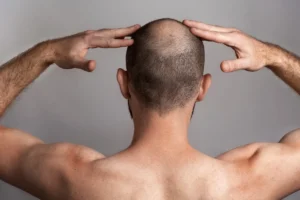
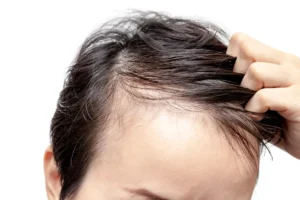
Many people wonder when does balding start and what factors influence its timeline. Whether you’ve noticed a subtle thinning at the crown or a receding hairline, recognizing the early stages can make a significant difference in treatment outcomes. In fact, studies show that up to 30% of men experience noticeable hair loss before the age of 25, while many women report the first signs in their late 30s.
This article explains the biological processes behind hair loss, outlines the most common types of balding, and highlights the early warning signs you should monitor. We also discuss diagnostic tools, when to seek professional advice, and the most effective interventions available at Gold City Medical Center.
By the end of this guide, you’ll have a clear picture of the typical onset ages for various forms of hair loss and actionable steps to address them promptly.
The Biological Timeline of Hair Loss
Hair growth follows a cyclical pattern consisting of anagen (growth), catagen (transition), and telogen (resting) phases. Disruptions in this cycle, often driven by genetics and hormones, are the primary reasons balding begins.
Genetische aanleg
Genetics play a decisive role in determining the age at which hair loss starts. If close male relatives experienced early thinning, you may notice the first signs as early as the late teens. This hereditary factor is commonly referred to as alopecia androgenetica, the medical term for pattern baldness.
Hormonal Influences
Hormones, especially dihydrotestosterone (DHT), interact with hair follicles and shorten the anagen phase. Elevated DHT levels can cause follicles to miniaturize, leading to finer, shorter hairs that eventually stop growing.
Typical Age Ranges
- Late teens to early 20s: Early onset of mannelijke kaalheid in genetically predisposed individuals.
- Mid‑20s to early 30s: Most men notice a receding hairline or thinning at the crown.
- Late 30s to 40s: Women often report diffuse thinning, especially around the part line.
- 50+ years: Progressive thinning becomes more common for both sexes.
Understanding these timelines helps you gauge whether your experience aligns with typical patterns or warrants further evaluation.

Common Types of Balding and Their Onset Ages
Not all hair loss follows the same pattern. Recognizing the specific type of balding you’re experiencing can guide appropriate treatment.
| Type of Balding | Typical Onset Age | Belangrijkste kenmerken |
|---|---|---|
| Mannelijke kaalheid (Androgenetische Alopecia) | Late teens – early 30s | Receding hairline, thinning crown, “M” shape. |
| Vrouwelijke kaalheid (alopecia androgenetica) | Late 20s – 40s | Diffuse thinning over the top, widening part. |
| Alopecia Areata | Any age, often childhood | Patchy, round bald spots; sudden onset. |
| Alopecia tractie | Teen years to 30s | Hair loss along the hairline from tight hairstyles. |
| Telogeen Effluvium | After stressful events, 2–3 months later | Generalized shedding, not a true bald spot. |
Each condition may start at a different age, and some, like alopecia areata, can appear suddenly without a clear hereditary link. Identifying the pattern early enables targeted behandeling tegen haaruitval options.
Vroege waarschuwingssignalen om op te letten
Spotting the first indications of hair loss can help you act before the condition progresses.
Visual Indicators
- Gradual recession of the hairline, especially at the temples.
- Thinning at the crown that becomes more pronounced over months.
- Increased scalp visibility when hair is pulled back.
- Small, round bald patches that do not grow back quickly.
Physical Sensations
Some individuals notice a tingling or itching sensation on the scalp, which can precede visible thinning. While not a definitive sign, persistent discomfort may warrant a professional assessment.
When to Take Action
If you observe any of these signs for more than three months, consider scheduling a consultation. Early intervention—whether through topical solutions, oral medications, or lifestyle adjustments—offers the best chance of preserving existing hair.
Diagnostic Tools and When to Seek Professional Help
Accurate diagnosis is essential for selecting the right treatment pathway. Dermatologists and hair restoration specialists use a combination of visual exams and specialized tests.
Scalp Examination
A thorough visual inspection by a qualified professional can identify patterns consistent with alopecia androgenetica or other conditions.
Trichoscopy
This non‑invasive dermatoscopic technique magnifies the scalp, revealing follicular details such as miniaturized hairs, perifollicular inflammation, and pigment changes.
Laboratory Tests
Blood work can uncover underlying hormonal imbalances, iron deficiency, or thyroid disorders that contribute to hair loss.
| Test | Purpose | Typical Timing |
|---|---|---|
| Trichoscopy | Assess follicle health and miniaturization | During initial consultation |
| Hormone Panel (DHT, Testosterone) | Identify hormonal contributors | When pattern baldness is suspected |
| Complete Blood Count | Detect anemia or infection | If diffuse thinning is present |
| Thyroid Function Test | Rule out thyroid‑related hair loss | When hair loss is rapid or accompanied by other symptoms |
Consult a specialist at the first sign of persistent thinning—especially if you’re under 30 and notice a receding hairline. Early diagnosis enables the most effective, minimally invasive interventions.
Effective Interventions for Early‑Stage Balding
When hair loss is identified early, a range of treatments can halt progression and even stimulate regrowth.
Medical Options
- Finasteride: An oral medication that reduces DHT levels, slowing follicle miniaturization.
- Topical minoxidil: Increases blood flow to the scalp and prolongs the anagen phase.
- Low‑level laser therapy (LLLT): Non‑invasive light treatment that promotes cellular activity.
Procedural Solutions
For individuals with noticeable thinning but still sufficient donor hair, haartransplantatie techniques such as Follicular Unit Extraction (FUE) can provide natural‑looking density. Gold City Medical Center offers state‑of‑the‑art FUE performed by certified specialists.
Lifestyle and Nutritional Support
Maintaining a balanced diet rich in iron, zinc, biotin, and omega‑3 fatty acids supports healthy hair follicles. Managing stress through exercise, meditation, or therapy can also reduce telogen effluvium episodes.
Combining medical therapy with lifestyle adjustments often yields the best outcomes for patients who ask “when does balding start” and want to act quickly.
Why Choose Gold City Medical Center
Gold City Medical Center combines cutting‑edge medical expertise with a holistic approach to hair health. Our team of dermatologists and hair restoration surgeons specializes in early‑stage interventions, offering personalized treatment plans that include medication, laser therapy, and advanced FUE transplants. With a focus on patient education and long‑term results, we ensure every client receives evidence‑based care in a comfortable, state‑of‑the‑art facility.
Ready to take control of your hair health? Contact Gold City Medical Center today for a comprehensive scalp assessment and discover the best early‑stage solutions for you.
Call us or fill out our online consultation form to schedule your appointment and start your journey toward fuller, healthier hair.
FAQ
When does balding typically start for men?
Most men notice the first signs of balding in their late teens to early 20s, especially if they have a family history of early hair loss.
At what age do women usually notice hair thinning?
Women typically report the first noticeable thinning in their late 30s to early 40s, though it can vary widely.
What are the early warning signs of hair loss?
Key early signs include a receding hairline, thinning crown, increased scalp visibility, and small round bald patches that don’t regrow quickly.
How is balding diagnosed by a specialist?
Specialists use visual exams, trichoscopy, and laboratory tests to pinpoint the type and cause of hair loss.
What treatment options are effective for early‑stage balding?
Effective early‑stage treatments include finasteride, topical minoxidil, low‑level laser therapy, and lifestyle changes; hair transplant is considered later.
How does DHT affect hair follicles?
DHT binds to hair‑follicle receptors, shortening the growth (anagen) phase and causing follicles to shrink and produce thinner hairs.