
Muscle relaxers are often used to treat muscle spasms and pain. But, there’s a growing worry about their addictive nature.
Are Muscle Relaxers Addictive? Read our best safety info to understand the risks and discover how to achieve amazing pain relief responsibly.
Every year, millions of Americans misuse these drugs, leading to dependence. Some types are even classified as Schedule IV controlled substances, showing their abuse risk.
It’s important to know the risks of muscle relaxer use for safe treatment. Being informed helps people take charge of their health and make smart choices about their care.
Belangrijkste opmerkingen
Muscle relaxers can be misused, leading to dependence.
Certain muscle relaxer formulations are classified as controlled substances.
Understanding the risks is key for safe use.
Informed individuals can make better health decisions.
Safe use of muscle relaxers requires careful consideration.
Understanding Muscle Relaxers and How They Work
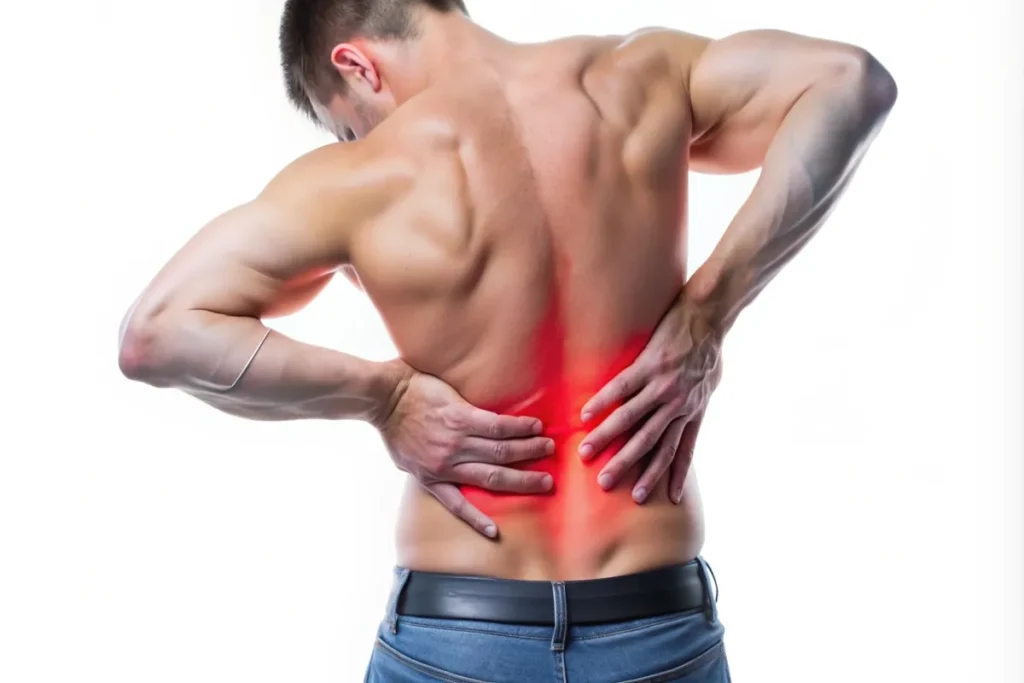
To understand muscle relaxant addiction, knowing how these drugs work is key. Muscle relaxers fall into two main types: antispasmodics and antispastics. Each works in a different way.
Types of Commonly Prescribed Muscle Relaxers
Antispasmodics treat muscle spasms caused by injuries or lower back pain. Cyclobenzaprine (Flexeril) and methocarbamol (Robaxin) are common examples. Antispastics, on the other hand, manage spasticity from conditions like multiple sclerosis. Baclofen (Lioresal) is a well-known antispastic drug.
How Muscle Relaxers Affect the Central Nervous System
Muscle relaxers affect the central nervous system to reduce spasms and pain. They can make you feel sleepy, which helps with pain relief. Some, like carisoprodol (Soma) and diazepam (Valium), are controlled substances because of their addiction risk.
It’s important to know how these drugs affect the body. The risk of dependence on muscle relaxers is high, mainly with long-term or misuse.
Are Muscle Relaxers Addictive? Examining the Risk Factors

More people are getting muscle relaxer prescriptions, making it key to know if they can be addictive. From 2005 to 2016, prescriptions for these drugs went up from 8.5 million to 24.7 million a year. This shows they are used a lot and raises worries about misuse.
High-Risk Muscle Relaxers: Carisoprodol (Soma) and Diazepam (Valium)
Some muscle relaxers, like carisoprodol (Soma) and diazepam (Valium), are more likely to cause addiction. They have sedative effects that can lead to physical dependence and tolerance. This is more likely if they are used for a long time or in big doses.
Carisoprodol can make people feel good, which makes it more likely to be abused.
Diazepam, a benzodiazepine, is used for muscle spasms but can cause dependence and withdrawal.
Statistics on Prescription Rates and Misuse
More muscle relaxer prescriptions have led to more misuse and addiction. Easy access to these drugs, often through legit prescriptions, helps in their abuse.
It’s important to know the risks of different muscle relaxers to avoid these problems. Doctors should carefully decide if these drugs are needed and watch how they are used to stop addiction.
Why Long-Term Use Increases Addiction Risk
Using muscle relaxers for a long time can make you dependent on them. Your body gets used to the drug, so you need more to feel the same effect. This increases the chance of becoming addicted.
Getting used to the drug can lead to needing more of it, creating a cycle.
Stopping or reducing the drug can cause withdrawal symptoms.
It can also lead to psychological dependence, making it hard to stop using the drug even when it’s bad for you.
Knowing these risks is vital for doctors and patients to use muscle relaxers safely.
Recognizing Signs of Muscle Relaxer Addiction and Dependence
Knowing the signs of muscle relaxer addiction is key to recovery. This addiction can harm both body and mind. It’s vital to spot these signs early to avoid misuse and tackle any issues quickly.
Physical Symptoms of Dependence
Dependence on muscle relaxers can show in many ways. You might feel very sleepy, dizzy, or confused. Staying on these drugs too long can cause serious problems, like withdrawal symptoms when you stop.
These symptoms can be tough and even dangerous. It’s important to get medical help if you’re trying to stop using them.
Some common signs of physical dependence include:
Meer van het medicijn nodig hebben om hetzelfde effect te voelen
Feeling sick when you don’t take the drug
Needing higher doses to get relief
Psychological Signs of Addiction
Psychological signs of muscle relaxer addiction are just as serious. People might feel mood swings, anxiety, or depression. This can create a cycle of misuse, as they feel they can’t manage without the drug.
Other psychological signs include:
Thinking about the drug all the time
Using it even when it’s causing problems
Feeling a strong need for the drug
Tolerance, Withdrawal, and Seeking Higher Doses
Tolerance, withdrawal, and needing more of the drug are big red flags. As your body gets used to it, you might need more to feel the same relief. This can lead to a dangerous cycle of increasing doses. When you stop or cut back, withdrawal symptoms can make recovery harder.
About 4.3 million adults aged 26 and older have misused muscle relaxants. Spotting these signs early can help prevent serious addiction.
By knowing the risks and watching for signs of addiction, you can start a healthier path. If you or someone you know is struggling, getting professional help is essential.
Conclusion: Safe Use Guidelines and Treatment Options
Muscle relaxers can help with muscle spasms and pain. But, they can also lead to abuse and addiction. It’s important to know the risks of muscle relaxant abuse to use them safely.
To avoid addiction, stick to the doctor’s dosage and treatment time. Be aware of signs of dependence and talk to your doctor about any worries. It’s key to consider if muscle relaxants can be addictive when looking at treatment options.
For those with muscle relaxer addiction, treatment includes detox, counseling, and therapy. Finding out why people abuse muscle relaxers helps in overcoming addiction. This way, they can achieve lasting recovery.
Being informed and proactive helps in safely using muscle relaxers. If addiction signs show up, seeking help is important. With the right support, overcoming muscle relaxer addiction is possible, leading to better overall health.
FAQ
Can muscle relaxers be addictive?
Yes, muscle relaxers can be addictive. This is true when they are used for a long time or in large doses. Some, like Carisoprodol (Soma) and Diazepam (Valium), are more likely to cause addiction because they affect the brain and nervous system.
What are the signs of muscle relaxer addiction?
Signs of addiction include feeling very sleepy, dizzy, or confused. You might also feel anxious, depressed, or want to keep taking the drug even if it’s bad for you.
How do muscle relaxers affect the body?
Muscle relaxers work by changing how the brain and nervous system work. They can make you feel less pain or relax your muscles. There are different types for different problems, like muscle spasms or spasticity from neurological disorders.
Are muscle relaxants addictive?
Yes, muscle relaxants can be addictive, mainly if used for a long time or in the wrong way. Some are more likely to cause addiction. Always follow your doctor’s advice to avoid this risk.
Do people get addicted to muscle relaxers?
Unfortunately, yes, some people do get addicted to muscle relaxers. The risk depends on the type of drug, how much you take, how long you use it, and your own body’s reaction.
Kun je verslaafd raken aan spierverslappers?
Yes, it’s possible to become addicted to muscle relaxers if not used correctly. Taking them for too long or in too high doses can lead to dependence.
Are muscle relaxers habit-forming?
Yes, some muscle relaxers can be habit-forming, mainly those that affect the brain and nervous system. It’s important to be aware of this and use them responsibly.
Can muscle relaxers get you high?
Some muscle relaxers, those with sedative effects, can make you feel high if taken wrong or in too much. This can lead to misuse and addiction.
What should I do if I’m struggling with muscle relaxer addiction?
If you’re struggling with addiction, seek help right away. Talk to a doctor or a substance abuse specialist. They can help you find a way to recover and get back on track.
Referenties
Nationaal Centrum voor Biotechnologie-informatie. Evidence-Based Medisch Inzicht. Opgehaald van https://pubmed.ncbi.nlm.nih.gov/1927837/