
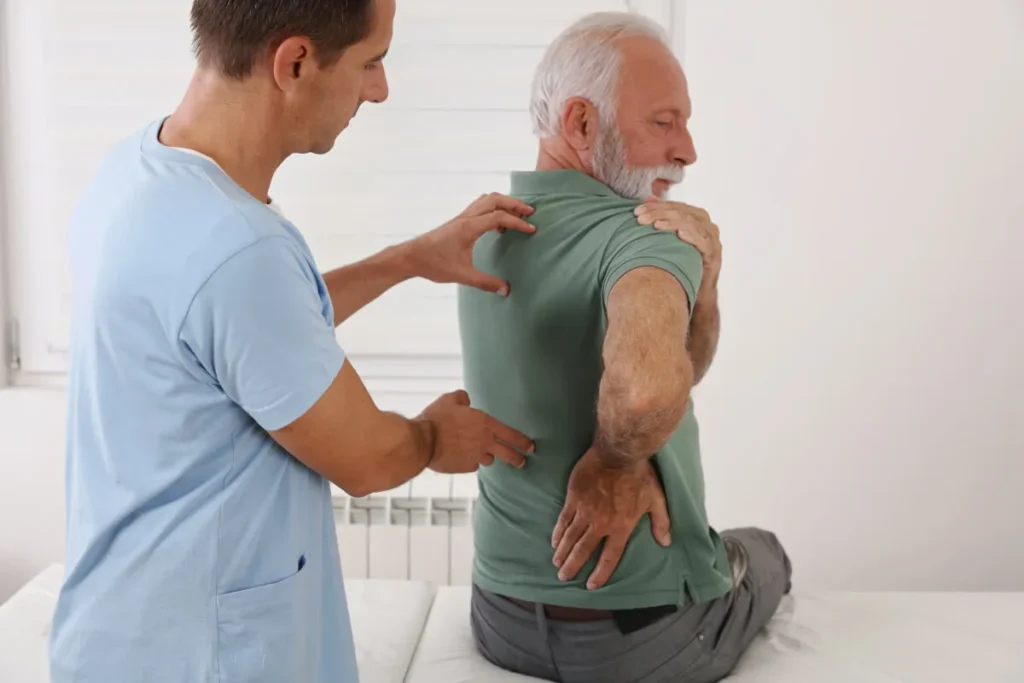
How to reduce muscle pain after exercise using these 5 proven recovery tips. Discover the best ways to soothe sore muscles today!
After a tough workout, muscle soreness usually kicks in a day or two later. This is called delayed onset muscle soreness or DOMS. It affects everyone, from athletes to fitness fans.
The soreness means your muscles are getting stronger. But it can be annoying and might make you want to stop working out. To feel better, it’s key to have a good recovery plan. Experts like Anna Cockrell and Medical Expert-down, stretching, foam rolling, and a protein snack. You can learn more about these tips in this article on muscle soreness prevention.
Belangrijkste opmerkingen
Engage in light cardio or active recovery to help alleviate soreness
Dedicate several minutes to a warm-up before every workout
Gradually increase intensity or load to give muscles time to adapt
Soak in a warm water bath with Epsom salts to relax muscles
Include rest days with active recovery and ensure adequate sleep and hydration
Vertraagde spierpijn (DOMS) begrijpen
Many people feel muscle soreness after working out. Delayed Onset Muscle Soreness (DOMS) is a specific type of soreness. It happens when your body faces new or hard exercise.
DOMS starts 12 to 24 hours after you exercise. It gets worse between 24 to 72 hours later. This is because your muscles get damaged during certain exercises.
Causes and Typical Occurrence
DOMS mainly comes from eccentric exercises. These are movements that make your muscles longer while they’re tight. For example, the part of a bicep curl where you lower your arm can cause DOMS. This damage leads to inflammation and soreness.
Knowing when DOMS happens helps you plan your recovery better. It’s important to tell the difference between normal soreness and a real injury.
The Difference Between Normal Soreness and Possible Injury
DOMS is normal after working out, but it’s key to know the difference between it and injury. Normal DOMS feels like a dull ache. Injury-related pain is sharp and focuses on one spot.
Knowing the difference between DOMS and injury helps you recover better. It tells you when to see a doctor.
Why Your Legs and Muscles Hurt After Working Out
Muscle ache after exercise is common. It comes from muscle microtrauma and repair. When you work out hard, you’re causing tiny tears in your muscle fibers. This might sound scary, but it’s a normal part of working out.
The Science Behind Muscle Microtrauma and Repair
Intense exercise stresses your muscles, causing tiny tears. This damage starts an inflammatory response, which is your body’s way of fixing itself. You might feel delayed onset muscle soreness (DOMS) 24 to 48 hours later.
The repair process makes your muscles stronger. It involves rebuilding and repairing muscle fibers. Your body is getting ready for more challenges.
How Muscle Adaptation Leads to Strength Gains
As your muscles adapt to exercise, they get better at what they do. This isn’t just fixing damage; it’s making your muscles more efficient. With regular training, your muscles can handle more, leading to strength gains.
Seeing muscle soreness as a sign of progress can change how you view workouts. It shows your muscles are being pushed and getting stronger.
How to Reduce Muscle Pain After Exercise: 5 Effective Recovery Strategies
Effective recovery strategies can greatly reduce muscle soreness after exercise. This makes your fitness journey better. When you work out, you damage your muscles a bit, causing soreness. But, using the right recovery methods can ease this pain and boost your performance.
1. Engage in Active Recovery Through Light Movement
Active recovery means doing gentle exercises after a tough workout. It boosts blood flow to sore muscles, helping remove waste and ease soreness. Light jogging, cycling, or yoga are good examples.
Benefits of Active Recovery:
Enhanced blood flow
Reduced muscle stiffness
Improved flexibility
2. Optimize Hydration and Post-Workout Nutrition
Drinking enough water and eating right are key for muscle recovery. Water replaces lost fluids. Eating a meal or snack with protein and carbs helps fix muscles. Try to refuel within 30-60 minutes after exercising.
Key Nutrients for Recovery:
3. Use Foam Rolling and Self-Myofascial Release Techniques
Foam rolling and self-myofascial release ease muscle tension and aid recovery. Applying pressure to certain spots can break up muscle adhesions and boost circulation.
4. Apply Contrast Therapy with Hot and Cold Treatments
Contrast therapy uses hot and cold to improve blood flow and lessen soreness. You can use a warm bath or shower followed by an ice pack or cold water.
Contrast Therapy Benefits:
Verminderde ontsteking
Improved circulation
Enhanced recovery
Relief from muscle soreness
5. Prioritize Rest and Adequate Sleep
Getting enough rest and sleep is vital for muscle recovery. Your body fixes and rebuilds muscles while you sleep. Aim for 7-9 hours of sleep each night.
By using these 5 recovery strategies, you can lessen muscle soreness after exercise. This will improve your fitness journey.
Conclusie
Understanding DOMS and using effective recovery strategies can help you reduce muscle pain after exercise. This improves your fitness overall.
To avoid sore muscles, try active recovery, stay hydrated, and eat well. Also, use foam rolling and contrast therapy. These steps help lessen soreness and make exercising easier.
Knowing how to manage sore muscles is key to reaching your fitness goals. By using these recovery methods, you can perform better and feel less pain. This lets you fully enjoy your fitness journey.
FAQ
Why do my legs hurt so much after working out?
Your legs hurt after working out because of muscle soreness. This soreness is caused by tiny injuries to the muscle fibers. It’s a sign that your muscles are repairing and getting stronger.
Why are my muscles sore after a workout?
Your muscles are sore after a workout because of tiny injuries. These injuries happen when you do something new or very hard. Your body is just fixing and getting stronger.
How can I reduce muscle soreness after exercise?
To reduce muscle soreness, try light movement and stay hydrated. Eating right after working out helps too. You can also use foam rolling and hot and cold treatments.
How do I prevent muscle soreness after a workout?
Prevent muscle soreness by warming up and cooling down right. Stay hydrated and eat well. Slowly increase how hard you work out too.
What is the best way to recover from muscle soreness?
The best recovery is a mix of light exercise, stretching, and good nutrition. Don’t forget to drink plenty of water and get enough rest. This helps your muscles heal and get stronger.
Hoe kan ik pijn door het sporten verlichten?
To ease soreness, try foam rolling and self-myofascial release. Use hot and cold treatments too. Remember to drink lots of water, eat well, and rest.
Why do muscles ache after exercise?
Muscles ache after exercise because of tiny injuries. These injuries cause inflammation and repair. It’s a natural step in getting your muscles stronger.
Hoe kan ik pijn na het sporten verminderen?
To lessen soreness, use active recovery methods and stay hydrated. Eat well and consider using tools like foam rollers and contrast therapy.
Referenties
National Center for Biotechnology Information. Evidence-Based Medical Insight. Retrieved from https://pubmed.ncbi.nlm.nih.gov/12617692/





