
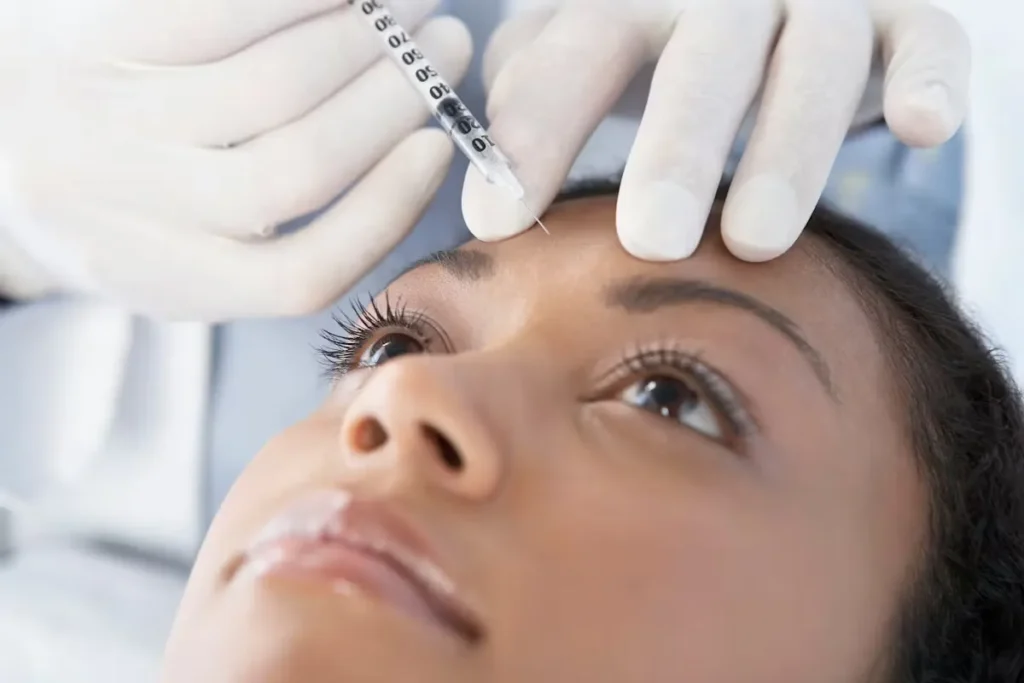
Millions of people worldwide choose Botox injections every year. But, many are unsure about its safety and long-term health effects. Even though agencies approve Botox for many uses, it’s important to know all the risks before deciding. Is Botox Safe? Read our best guide to understand the risks and discover how to achieve amazing anti-aging results with incredible health safety.
This guide looks into the science behind Botox safety. We’ll talk about worries like neurological effects, cancer risk, and long-term problems. By checking out the newest studies and expert views, we want to help you make smart choices about your treatments.
Belangrijkste opmerkingen
Understanding the risks associated with Botox is key for making good choices.
Botox is usually safe, but there could be long-term side effects.
We’ll cover concerns like neurological effects and cancer risk in this guide.
Staying up-to-date with research helps you make confident decisions.
Expert insights give a full picture of Botox safety and its effects.
What is Botox and How Does It Work?
Botox comes from the bacterium Clostridium botulinum. It’s a neurotoxin that has changed the game in both beauty and medicine. At its heart, Botox is a botulinum toxin that temporarily freezes muscles. This makes it useful in many ways.
De wetenschap achter botulinetoxine
Botox stops the release of acetylcholine, a chemical that tells muscles to contract. By temporarily relaxing muscles, Botox helps with many issues, from wrinkles to migraines. This is why it’s used in both cosmetic and medical applications.
Experts say Botox’s unique ability to target and relax muscles is key. This is why it’s a top choice for many. It shows the Botox benefits clearly.
Common Uses: Cosmetic and Medical Applications
Botox is well-known for cosmetic applications, like smoothing out wrinkles. But it’s also used for more serious issues. In medical applications, Botox helps with sweating, migraines, and muscle problems.
Reduces facial wrinkles and fine lines
Treats excessive sweating (hyperhidrosis)
Provides relief from chronic migraines
Used in the treatment of certain muscular disorders
Botox’s wide range of uses shows its importance in today’s medicine and beauty. Whether for cosmetic applications or medical applications, Botox offers many botox benefits to those who use it.
Is Botox Safe? Examining the Clinical Evidence
Botox has been studied a lot in clinical trials. This gives us a clear picture of how safe and effective it is. It’s important for both looking good and treating health issues.
FDA Approval and Safety Standards
Botox has FDA approval for many uses, like migraines and muscle problems. The FDA checks Botox through trials. They look for side effects and make sure it’s safe.
There’s a lot of clinical evidence that shows Botox is safe. This evidence helps keep Botox safe for everyone.
Short-Term Safety Profile
Botox is mostly safe in the short term. Most people only get mild side effects. These can be bruising or eyelids that droop, but they go away quickly.
Studies show Botox is usually okay. Serious problems are rare. Its short-term safety is proven by its use in many places.
It’s key to get Botox from a qualified doctor. This lowers the chance of side effects. It also makes sure Botox works right.
Potential Risks and Long-Term Health Effects
Botox is used for both beauty and medical needs. It’s important to know the risks. Understanding side effects and long-term health is key to making the right choice.
Common and Temporary Side Effects
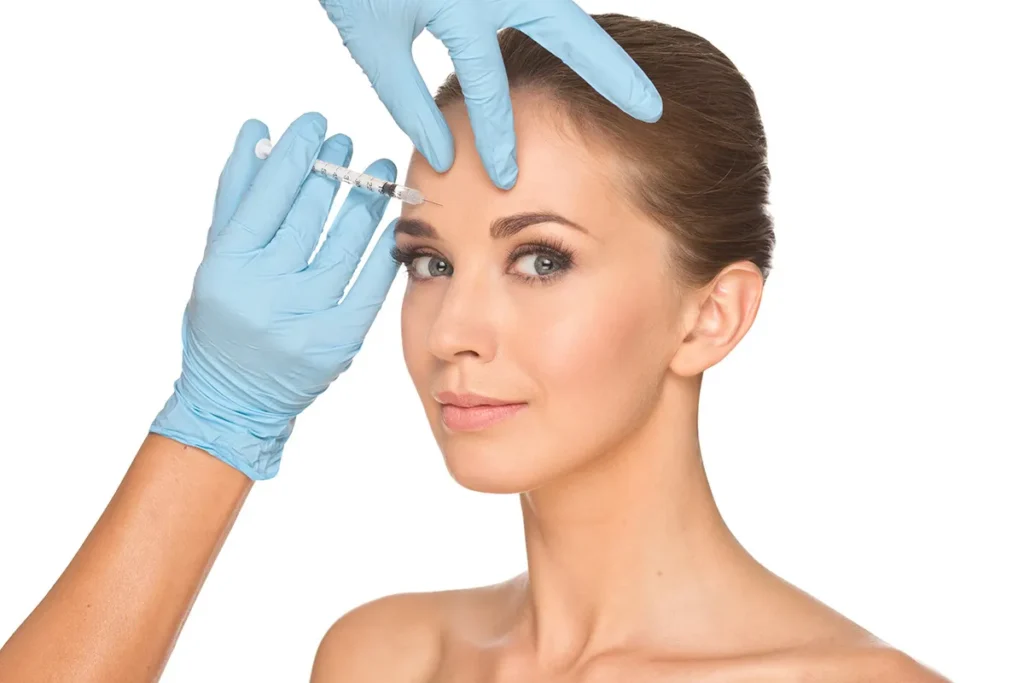
Most people don’t have big problems with Botox. But, some might see temporary issues like bruising or eyelids that droop. These usually go away in a few days.
Experts say most people do well with Botox. Side effects are usually short-lived. Following post-treatment care can help avoid these issues.
Serious Adverse Events and Complications
Though rare, serious problems can happen with Botox. These include trouble swallowing or breathing, which can be life-threatening. It’s important to know these risks and get help right away if symptoms show up.
Medical experts stress the need to watch for serious side effects. They say the risk is low but being careful is key.
Knowing the risks and long-term effects of Botox is important. Being informed and working with a healthcare pro can help avoid problems. This way, you can get the results you want safely.
Conclusion: Weighing the Benefits and Risks of Botox
Botox offers many benefits, like smoothing fine lines and treating medical conditions. But, it also comes with risks. To make a smart choice, you need to look at both sides.
Knowing how Botox works and its uses helps you decide. Talking to a healthcare expert is key. They can help you understand the good and bad sides. This way, you can use Botox safely and effectively.
Getting the most out of Botox means finding a balance. With the right advice and knowledge, you can enjoy its benefits. This leads to a brighter, more confident you.
FAQ
Is Botox healthy for long-term use?
Botox is usually safe for short-term use. But, its long-term effects are not fully known. Studies show repeated use might lead to antibodies, making it less effective. Yet, most people can safely use it for a long time with doctor’s care.
Why is Botox bad for you?
Botox can be harmful if not used right or if you have certain health issues. Side effects include bruising, swelling, and headaches. Serious problems like eyelid drooping or swallowing issues can happen if a professional doesn’t administer it.
What are the long-term effects of Botox?
Long-term Botox effects might include muscle loss, facial imbalance, and antibody formation. But, most people don’t face long-term problems if Botox is used correctly.
Is Botox a risk worth taking?
Whether Botox is a risk depends on your situation. For many, its benefits outweigh the risks. Always talk to a doctor to see if Botox is good for you.
Can Botox cause serious health problems?
Rarely, Botox can lead to serious issues like botulism-like symptoms, allergic reactions, and eye problems. These risks are lower when a skilled practitioner administers it.
How dangerous is Botox?
Botox is generally safe when used correctly and under a doctor’s watch. But, like any treatment, it has risks. Safety depends on dosage, how it’s given, and your health.
Is there a link between Botox and cancer?
There’s no proven link between Botox and cancer. The FDA has approved it for many uses, showing it’s safe. There’s no big cancer risk.
What are the negatives of Botox?
Botox’s downsides include side effects, needing more treatments, and cost. Some might feel dependent on it or unhappy with results.
Can Botox cause brain damage?
There’s no solid proof Botox damages the brain when used right. It works locally and doesn’t affect the body or brain in a way that causes harm.
Referenties
Nationaal Centrum voor Biotechnologie-informatie. Evidence-Based Medisch Inzicht. Opgehaald van https://pubmed.ncbi.nlm.nih.gov/35353777/





