
Rosacea is a chronic skin condition that causes facial redness and visible blood vessels. It affects millions worldwide, impacting their quality of life. Getting a radiant glow seems hard for those with rosacea, but advanced laser therapy offers hope.
GoldCity Center is dedicated to top-notch medical care and innovative treatments. They ensure patients get state-of-the-art laser treatments. These treatments can greatly reduce facial redness and visible blood vessels.
With laser therapy rosacea treatments, people can see a big drop in symptoms. This unlocks a more confident and radiant self. This guide will explain the process, benefits, and what to expect from laser treatment for rosacea.
Belangrijkste opmerkingen
Rosacea is a chronic condition that causes facial redness and visible blood vessels.
Advanced laser therapy is a proven, minimally invasive solution for managing rosacea.
GoldCity Center offers state-of-the-art laser treatments with transformative results.
Laser therapy rosacea treatments can significantly reduce symptoms.
A radiant, confident glow is achievable with effective laser treatment for rosacea.
Understanding Rosacea and Why Laser Treatment Works

Rosacea is a chronic skin condition that causes redness and visible blood vessels. It affects millions worldwide, leading to a growing interest in laser therapy. The exact cause is unknown, but it’s thought to be a mix of genetics and environment.
What is Rosacea and Its Prevalence
Rosacea is more than a simple skin issue. It can greatly affect one’s quality of life. Symptoms include flushing, redness, and visible blood vessels. These can be triggered by sun exposure, stress, and certain foods.
Recent studies show rosacea affects a significant part of the population. Some groups are more likely to get it. Knowing how common it is helps us see the need for good treatments.
How Laser Therapy Targets Rosacea Symptoms
Laser therapy, like red skin laser treatment and laser treatment for redness on face, is a top choice for rosacea. It targets visible blood vessels and reduces redness, making the skin look better.
Laser therapy works by using light that’s absorbed by blood vessels. This reduces their visibility and the redness they cause.
Clinical Evidence Supporting Laser Treatments
Recent studies show intense pulsed light (IPL) and pulsed-dye laser (PDL) therapies work well for rosacea. They not only reduce redness and blood vessels but also improve skin texture.
These treatments are both effective and safe, making them a favorite among dermatologists and patients.
Types of Light Therapy for Rosacea
Several types of light therapy have emerged as highly effective treatments for rosacea. They offer patients a range of options tailored to their specific needs.
Intense Pulsed Light (IPL) Therapy
IPL therapy is a non-invasive treatment. It uses broad-spectrum light to target various symptoms of rosacea, including redness and visible blood vessels. By emitting multiple wavelengths, IPL can address a range of skin concerns, making it a versatile option for rosacea patients.
This treatment is effective for reducing the appearance of telangiectasias, or small dilated blood vessels near the surface of the skin.
Pulsed-Dye Laser (PDL) Treatment
The Pulsed-Dye Laser is designed to target the oxyhemoglobin in blood vessels. It’s an ideal treatment for the redness associated with rosacea. PDL works by delivering a concentrated beam of light that is absorbed by the hemoglobin, reducing the appearance of redness and flushing.
Pro-Yellow Lasers (577-nm Wavelength)
Pro-Yellow lasers, with their 577-nm wavelength, are effective for targeting superficial vascular lesions and redness. This laser type is beneficial for treating the vascular symptoms of rosacea. It provides a more even skin tone and reduces the appearance of redness.
LED Light Therapy Options
LED light therapy offers a non-invasive and gentle approach to managing rosacea symptoms. Different wavelengths of LED light can be used to target various aspects of rosacea, from inflammation reduction to improving skin texture. LED therapy is often used in conjunction with other treatments to enhance overall results.
The Complete Laser Treatment Process
Learning about the laser treatment process is key to getting clearer skin. This process is all-inclusive, making sure you’re ready to tackle rosacea symptoms.
Consultation and Choosing the Right Treatment
First, you’ll have a detailed consultation with a dermatologist or healthcare expert. They’ll check your skin, talk about your health history, and suggest the best treatments for your rosacea. It’s important to pick a treatment that fits your skin type and condition for the best results.
A guide to laser treatment for rosacea highlights the importance of choosing the right laser. It explains the different laser types, like pulsed-dye lasers and intense pulsed light (IPL) therapy.
Preparing for Your Laser Session
Before your laser treatment, you need to get your skin ready. This means avoiding the sun, stopping certain skincare products, and not waxing or tanning the area. Your doctor will give you specific instructions based on your skin and the laser treatment.
Wat u kunt verwachten tijdens de procedure
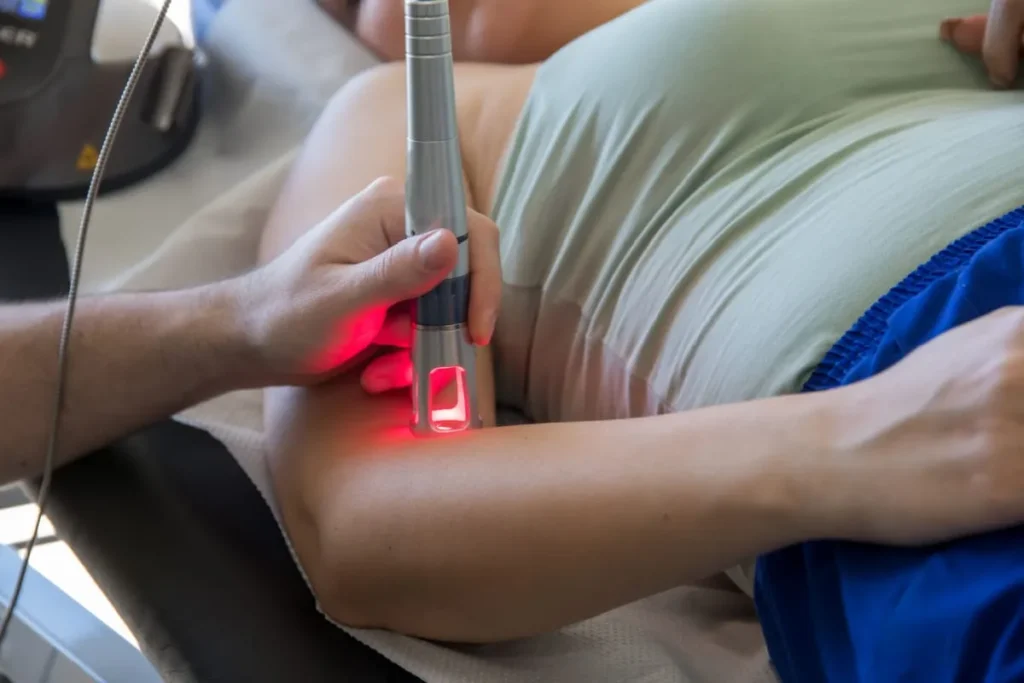
During the laser session, you’ll wear protective eyewear. The laser device emits light to target the affected areas. You might feel a snap-like sensation, and some clinics use cooling devices or anesthetics to make it more comfortable.
Een tevreden patiënt
Number of Sessions Required for Results
The number of laser sessions needed varies by person, based on rosacea severity and treatment response. Usually, several sessions spaced weeks apart are needed for the best results. Your treatment plan will be tailored during your first consultation.
Understanding the laser treatment process helps you make informed decisions about your care. Laser therapy is a promising option for reducing rosacea symptoms and achieving clearer, healthier skin.
Nazorg en resultaten op lange termijn
Keep that glow going with the right aftercare for laser therapy on rosacea. Start with gentle cleansing. Choose a mild cleanser that keeps your skin’s natural oils. Stay away from harsh products that can upset your skin.
Sun protection is key. Use a broad-spectrum sunscreen with at least SPF 30 every day. Reapply every two hours or right after swimming or sweating. This keeps your skin safe and reduces rosacea symptoms.
Laser treatments for red face and skin redness work well, but watch out for irritants. Avoid spicy foods, extreme temperatures, and some skincare products. Knowing these triggers helps keep your rosacea laser treatment effective long-term.
Even though light treatments for rosacea are safe, some might see mild side effects like redness or swelling. These can be handled with creams or cold compresses. Stick to a good skincare routine and keep up with follow-up appointments for the best results.
FAQ
What is rosacea laser therapy?
Rosacea laser therapy is a non-invasive treatment. It uses laser or light-based technology. This helps reduce rosacea symptoms like redness and visible blood vessels.
How does laser therapy work for rosacea?
Laser therapy targets rosacea symptoms by reducing blood vessels and redness. It also improves skin texture. Different lasers, like IPL and PDL, are used for specific concerns.
What are the benefits of laser treatment for rosacea?
Laser treatment for rosacea reduces redness and improves skin texture. It also decreases visible blood vessels. This can boost confidence and improve skin health.
Is laser therapy for rosacea painful?
Some people might feel mild discomfort during laser therapy. But most treatments are painless. Topical anesthetics or cooling devices help reduce discomfort.
How many sessions of laser therapy are required for rosacea?
The number of sessions needed varies based on individual skin concerns and rosacea severity. Usually, multiple sessions are required, spaced several weeks apart.
What is the difference between IPL and PDL laser therapy?
IPL therapy targets a wide range of skin concerns, including redness and hyperpigmentation. PDL treatment focuses on visible blood vessels and redness.
Are there any side effects of laser therapy for rosacea?
Common side effects include temporary redness, swelling, and mild skin irritation. These effects are usually short-lived and can be managed with proper aftercare.
How do I care for my skin after laser therapy for rosacea?
After laser therapy, follow a gentle skincare routine. Avoid harsh products and protect your skin from the sun. Use sunscreen with at least SPF 30 and avoid irritants to maintain results.
Can laser therapy be used in combination with other rosacea treatments?
Yes, laser therapy can be combined with other treatments like topical creams and oral medications. Consult with a skincare professional to find the best treatment plan for you.
Is laser therapy for rosacea suitable for all skin types?
Laser therapy can be adapted for various skin types. But, it’s important to consult with a qualified skincare professional. They can determine the best treatment for your specific skin concerns and tone.
Referenties
Nationaal Centrum voor Biotechnologie-informatie. Evidence-Based Medisch Inzicht. Opgehaald van https://pubmed.ncbi.nlm.nih.gov/37890996/





