
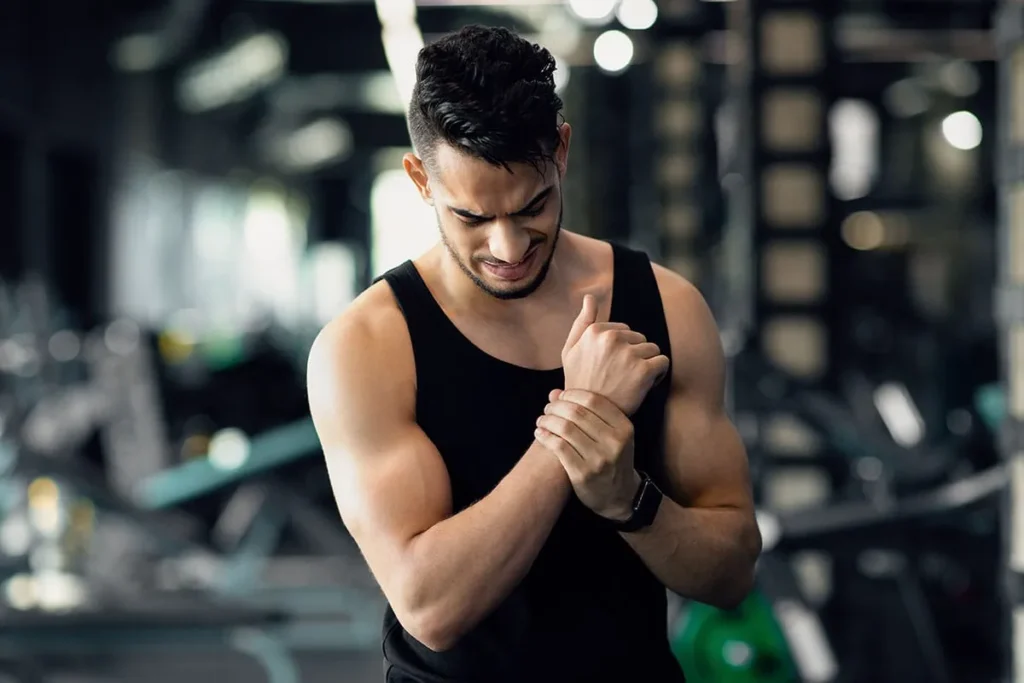
Feeling sore all over after a tough workout doesn’t mean you’re weak. It shows your muscles are getting stronger. Delayed Onset Muscle Soreness (DOMS) hits 12 to 24 hours later, affecting everyone from beginners to pros.
Knowing why you hurt and how to fix it can change your recovery. The right steps can ease soreness and boost your health.
Belangrijkste opmerkingen
Understand the causes of Delayed Onset Muscle Soreness (DOMS)
Learn effective methods to alleviate soreness after working out
Discover how to enhance your recovery experience
Implement strategies to reduce muscle pain after exercise
Improve your overall well-being through proper recovery techniques
Understanding Muscle Pain After Exercise
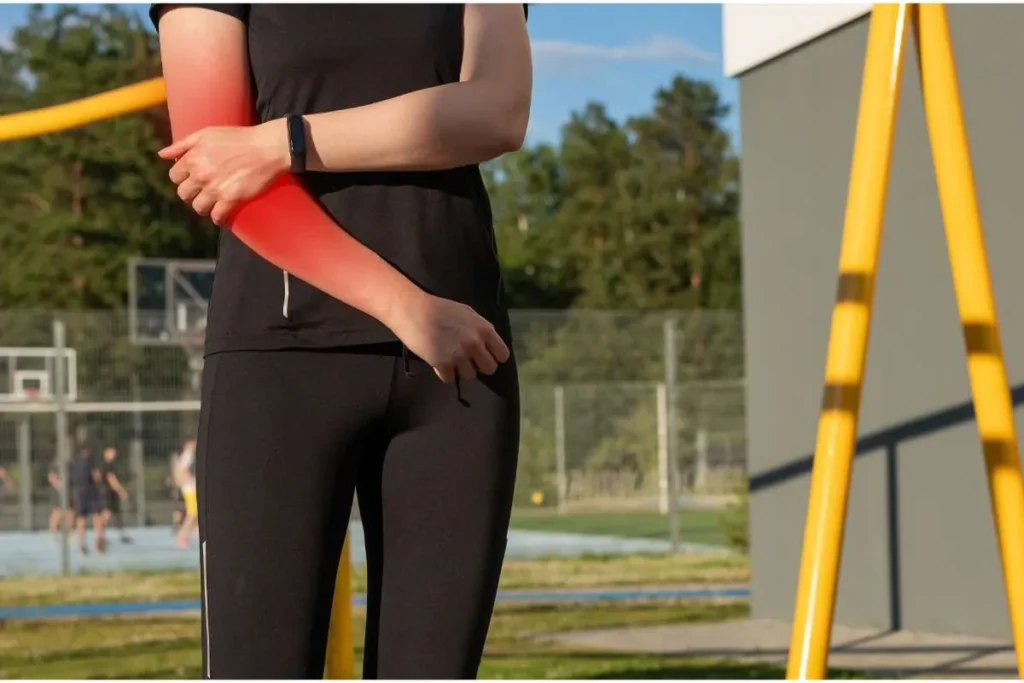
After a tough workout, muscle soreness is common. Knowing why it happens can help you recover better. This soreness, often felt after new or hard exercises, can make daily tasks harder.
The Science Behind DOMS
Delayed Onset Muscle Soreness (DOMS) is caused by tiny muscle damage and tissue injury. This damage starts an inflammation, leading to pain and stiffness. The reasons for DOMS are complex, involving many factors like enzyme responses and muscle stress.
Normal vs. Concerning Muscle Pain
Telling normal soreness from concerning pain is key for safe training. Normal DOMS is a dull ache that starts 24-48 hours after working out. It usually goes away in a few days. But, concerning pain is sharp, lasts long, and might have swelling or bruising.
Key differences between normal and concerning muscle pain:
Normal soreness: Dull, aching pain; develops within 24-48 hours; resolves within a few days
Concerning pain: Sharp, persistent; may be accompanied by swelling or bruising; requires medical attention
Knowing about DOMS and the difference between normal and concerning pain helps you recover better. It lets you adjust your workouts to avoid too much discomfort.
7 Proven Methods to Reduce Muscle Pain After Exercise
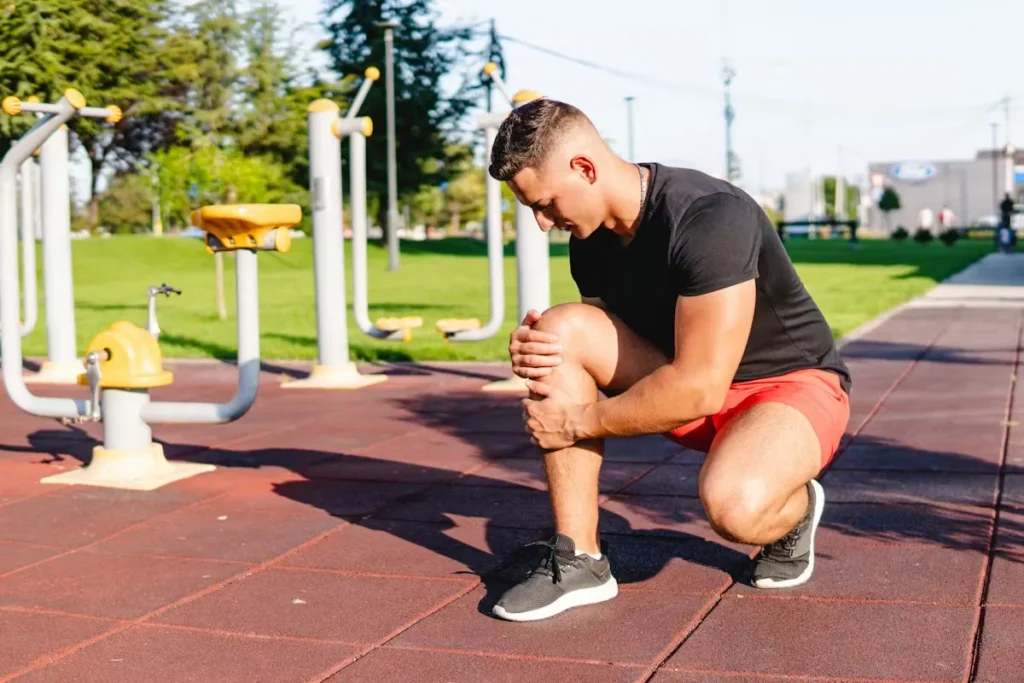
Reducing muscle soreness after working out is key for steady progress. When you do intense exercises, like leg days, soreness is common. But, there are ways to lessen this pain and speed up recovery.
1. Active Recovery Through Light Movement
Doing light physical activity after hard workouts can help a lot. You don’t need to go all out at the gym. Try walking or yoga instead. These activities help blood flow and remove waste that causes soreness.
2. Proper Hydration Strategies
Drinking enough water is vital for muscle healing. Water helps get rid of toxins and nutrients needed to fix muscles. Staying hydrated before, during, and after working out can lessen soreness.
3. Alternating Cold and Heat Therapy
Cold therapy, like ice baths or cold packs, can cut down inflammation and pain. Heat therapy, on the other hand, relaxes muscles and boosts blood flow. Switching between these can help with soreness, making it a great recovery tool.
4. Foam Rolling and Self-Myofascial Release
Using a foam roller or doing self-myofascial release can ease muscle tightness. These methods break down muscle adhesions and improve blood flow. This can lessen soreness and boost flexibility.
Also, think about nutrition and gradually increasing workout intensity. Eating the right foods after working out helps recovery. And, slowly upping your exercise intensity helps muscles get used to it, reducing soreness.
Preventing Excessive Muscle Soreness
A good workout plan includes ways to avoid too much muscle soreness. By using methods to lessen soreness, people can keep exercising regularly. This helps them reach their fitness goals better.
Progressive Training Intensity
Increasing training intensity slowly is a great way to avoid too much soreness. This lets muscles get used to exercise, making soreness less likely. Progressive overload, or slowly adding more weight, helps avoid sudden soreness.
By slowly pushing muscles, people can get stronger and last longer without hurting themselves. This method also helps avoid injuries and too much soreness.
Effective Warm-up and Cool-down Routines
Good warm-ups and cool-downs are also key to avoiding soreness. A good warm-up gets muscles ready for work by boosting blood flow and warming them up. This makes them more ready for exercise.
A proper cool-down helps muscles relax after exercise, which lowers soreness risk. Using static stretching and foam rolling during cool-down can really help. They relax muscles and aid in recovery.
By adding these steps to your workout, you can cut down soreness a lot. This lets you keep exercising without stopping.
Conclusie
Reducing muscle pain after exercise is key for a good workout routine. By using the 7 proven methods, you can lessen sore muscles from gym activities. This improves your recovery overall.
Proper recovery techniques are important. Active recovery, staying hydrated, and using cold and heat therapy help a lot. Also, start slowly and warm up and cool down well to avoid too much soreness.
By using these strategies, you can reduce muscle soreness. This makes your recovery better and helps you reach your fitness goals. So, what to do when sore from working out? Start using these recovery methods and see the difference.
FAQ
Waarom doet mijn lichaam pijn na het sporten?
Muscle soreness after exercise is called delayed onset muscle soreness (DOMS). It happens when tiny muscle fibers get damaged. This damage causes inflammation and soreness.
Hoe kan ik pijn door het sporten verlichten?
To ease soreness, try light cardio and stretching. Drinking plenty of water and eating right also helps. Getting enough rest is key.
Waarom doen mijn benen pijn na een training?
Legs can hurt after new or intense leg exercises. Squats and lunges are common culprits. Cycling and leg swings can help by improving blood flow and flexibility.
Wat kan ik doen om mijn pijnlijke spieren te verhelpen?
Use foam rolling and self-myofascial release to help sore muscles. Cold and heat therapy can also help. Remember to take rest days too.
Hoe kan ik spierpijn na een training voorkomen?
To avoid sore muscles, start with gentle exercises and warm up well. Cool down afterwards. Use recovery techniques and drink plenty of water. Rest is also important.
What is the best way to ease soreness after exercise?
To ease soreness, mix active recovery with hydration and nutrition. Foam rolling and self-myofascial release can also help.
How can I help with soreness after exercising?
Help sore muscles by using recovery techniques like stretching and foam rolling. Rest, drink water, and eat well to reduce soreness.
Wat te doen als je pijn hebt van het sporten?
When sore, rest and recover are most important. Use light cardio and stretching to help. Foam rolling and self-myofascial release can also reduce muscle tension.
Referenties
Nationaal Centrum voor Biotechnologie-informatie. Evidence-Based Medisch Inzicht. Opgehaald van https://pubmed.ncbi.nlm.nih.gov/12617692/





