

Have you noticed hair loss when you’re stressed? Studies show a strong link between anxiety, stress, and hair loss. It’s important to know this for those dealing with these issues. Can Anxiety Cause Alopecia? Learn how stress impacts hair health and find the proven stress fix to stop hair loss and promote healthy regrowth.
Stress can mess with our body’s natural cycles, making hair stop growing too soon. This problem affects many, with about 47% of those with alopecia also having anxiety disorder. This is much higher than the average person.
Key Takeaways
Stress and anxiety can trigger hair follicle dysfunction.
High cortisol levels lead to premature hair shedding.
A significant link exists between anxiety disorders and alopecia.
Understanding the biological mechanisms can help in managing stress-related hair loss.
Effective treatment strategies are available for stress-induced hair loss.
The Connection Between Mental Health and Hair Loss
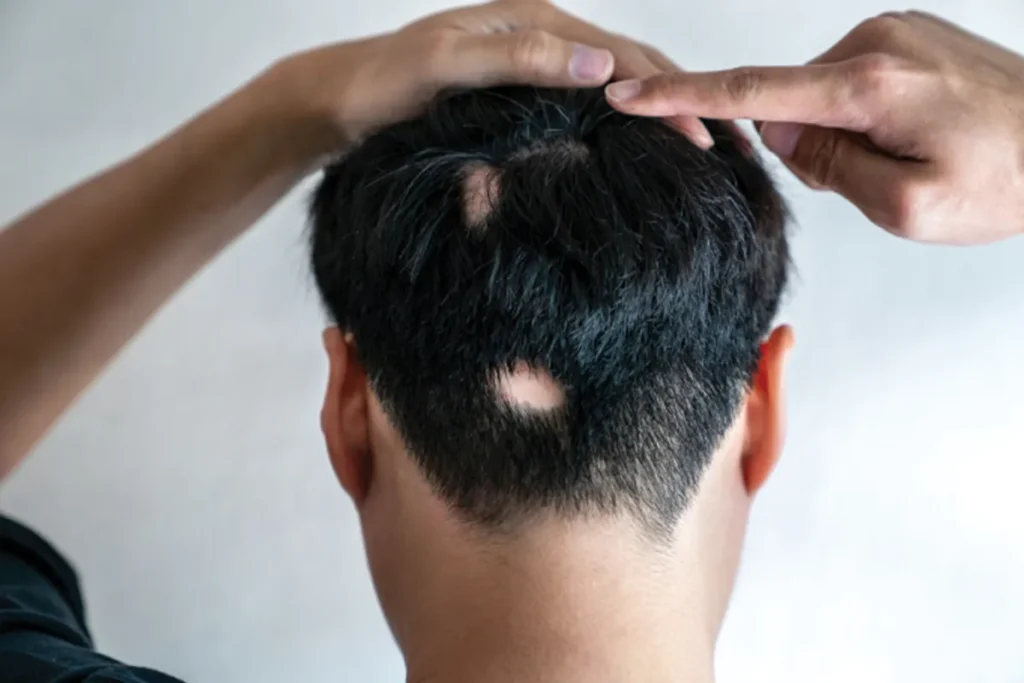
Research shows that stress and anxiety can harm hair health. The link between mental health and hair loss is complex. Stress and anxiety can lead to hair loss, and losing hair can make mental health worse.
Understanding Anxiety and Stress Responses
Stress triggers our body’s “fight or flight” response, releasing cortisol. High cortisol levels can mess up hair growth, causing more shedding. Chronic stress can make hair follicles stop growing, leading to telogen effluvium.
To learn more about stress and hair loss, check out this article. It goes into detail about how stress affects hair.
Types of Hair Loss Associated with Stress
Stress can cause several types of hair loss, including:
Telogen Effluvium: Excessive hair shedding due to stress pushing hair follicles into the resting phase.
Alopecia Areata: An autoimmune condition where the immune system attacks hair follicles, resulting in patchy hair loss.
About 71.3% of people say they lose hair when they’re stressed. The gut-brain-skin axis shows how closely mental and hair health are connected.
Can Anxiety Cause Alopecia? Scientific Evidence
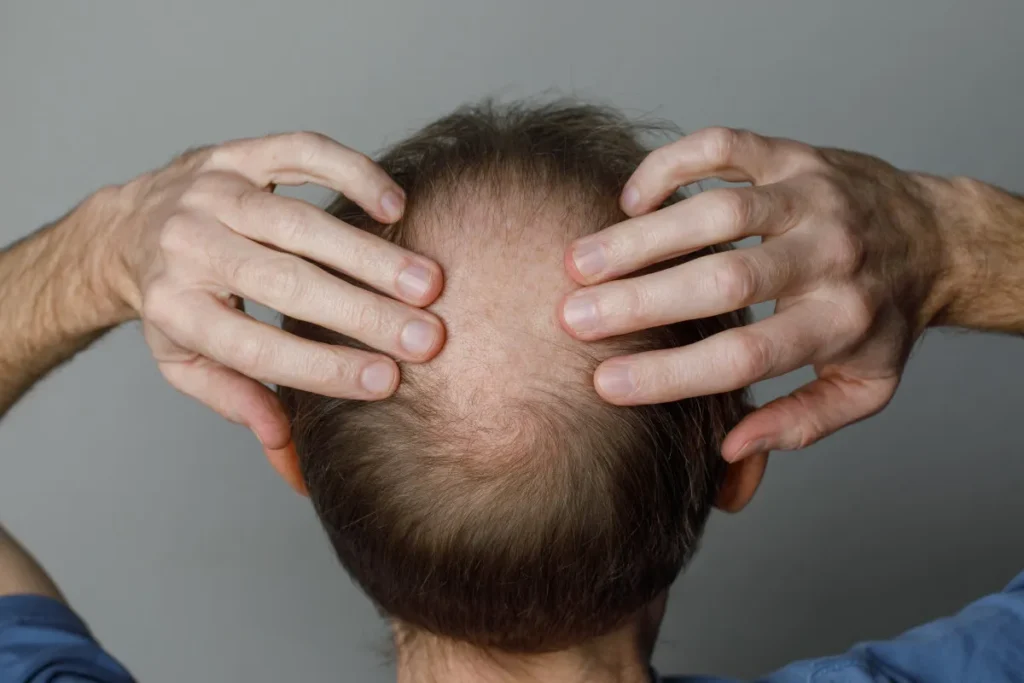
Recent studies show anxiety might link to alopecia. The connection between mental health and hair loss is complex. It involves many factors.
Anxiety Prevalence in Alopecia Patients
Many with alopecia also face anxiety. 47% of alopecia patients have anxiety disorders. This shows a strong link between hair loss and mental health.
Prevalence of Stress-Related Hair Loss
Stress causes hair loss in many people. 71.3% of individuals experience shedding due to stress. This highlights the importance of treating both physical and emotional aspects of hair loss.
Looking at the research, we see the need for a holistic approach. This approach should treat both physical and mental aspects of hair loss. It’s key for effective treatments and support for those with alopecia and stress-related hair loss.
Biological Mechanisms Behind Stress-Induced Hair Loss
Stress can cause hair loss and alopecia. When we’re stressed, our body’s hormones change. These changes can affect how our hair grows.
Cortisol’s Impact on Hair Follicle Stem Cells
Cortisol, or the “stress hormone,” affects hair follicle stem cells a lot. High levels of cortisol from stress can mess with these cells. This can stop hair from growing right.
Cortisol’s Role: Cortisol stops the GAS6 molecule from being secreted. GAS6 is key for hair growth. Without it, hair follicle stem cells can’t move into the growth phase. This leads to hair loss.
The Critical Role of GAS6 Molecule in Hair Growth
The GAS6 molecule is vital for hair growth. It helps hair follicles move from the resting phase to the growth phase. But stress and high cortisol levels can mess with this process. This makes more hair fall out.
The Importance of GAS6: Studies show GAS6 is important for hair follicle stem cell health. Stress can make GAS6 levels go off balance. This can cause conditions like telogen effluvium.
Telogen Effluvium: How Stress Extends the Resting Phase
Telogen effluvium makes hair follicles stay in the resting phase too long. This leads to a lot of hair falling out. Stress is a big trigger for this.
Understanding Telogen Effluvium: This condition makes a lot of hair fall out, often after a stressful event. It’s important to manage stress to prevent and treat telogen effluvium.
Knowing how stress affects hair loss helps us manage it better. We can reduce stress and keep our hair healthy. This includes practicing stress-reducing activities and living a healthy lifestyle.
Conclusion: Managing and Preventing Stress-Related Hair Loss
Managing stress-related hair loss needs a full plan. This includes stress management, gentle hair care, and medical help. Knowing how stress and hair loss are linked helps protect hair and health.
Stress management, like mindfulness and exercise, lowers cortisol. This reduces hair loss risk. Eating well, with foods like biotin, vitamin E, and zinc, also helps hair grow. Gentle hair care, like avoiding heat and using soft shampoos, prevents more damage.
If hair loss doesn’t stop, see a hair specialist or dermatologist. They offer tailored advice on managing stress-related hair loss. A holistic approach to hair care and stress can lead to healthy hair growth and less anxiety.
FAQ
Does stress cause hair loss?
Yes, stress can lead to hair loss. When stressed, your body’s hormonal balance changes. This pushes hair follicles into a resting phase, causing more shedding.
Can anxiety cause alopecia?
Yes, anxiety can lead to alopecia. Studies show that people with alopecia areata often feel anxious. This shows how mental health and hair loss are connected.
What is telogen effluvium?
Telogen effluvium is when stress makes hair follicles rest too much. This results in a lot of hair falling out. It’s triggered by big stress, but can be managed with care and stress relief.
How does cortisol affect hair growth?
Cortisol, a stress hormone, affects hair follicle stem cells. High cortisol levels can mess up the hair growth cycle, causing hair loss.
Can stress-related hair loss be prevented?
Yes, you can prevent or manage stress-related hair loss. A good approach includes managing stress, gentle hair care, and medical treatments. This can help reduce stress’s impact on hair loss.
Is hair loss a common symptom of anxiety?
Yes, hair loss is a symptom of anxiety. Mental health and hair loss are closely linked. So, people with anxiety might lose more hair.
Will stress cause my hair to fall out permanently?
Not always. Stress can cause hair loss, but it’s usually temporary. With the right care and stress management, hair growth can return to normal.
Can stress cause a receding hairline?
Yes, stress can contribute to hair loss, including a receding hairline. But, a receding hairline can also be due to genetics and hormonal imbalances.
References
https://wimpoleclinic.com/blog/how-to-fix-a-messed-up-hairline





