
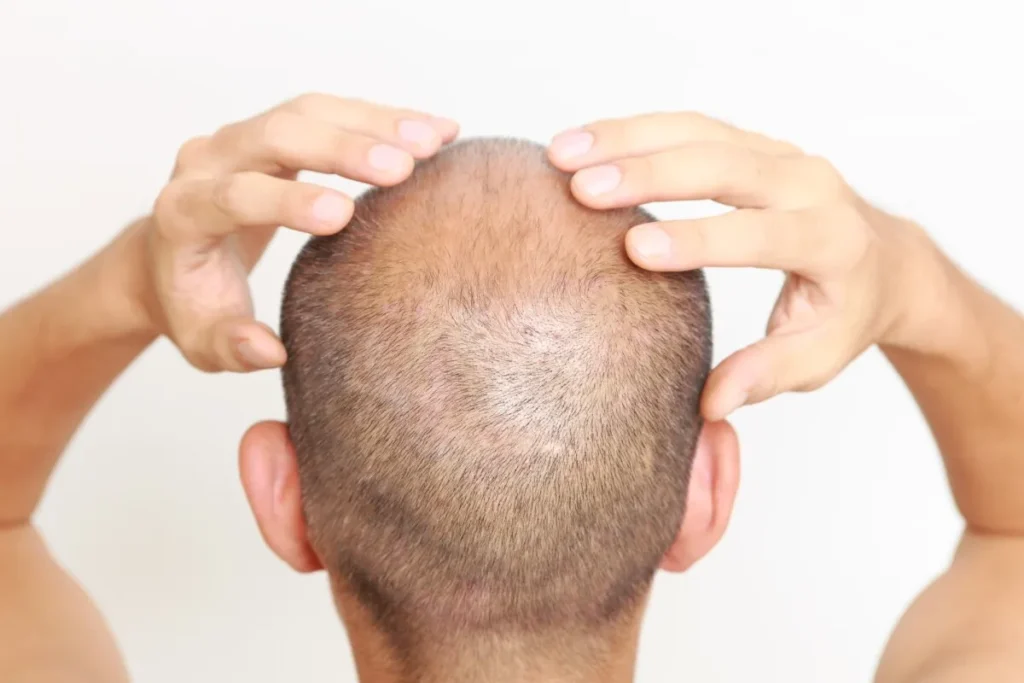
For those dealing with hair loss from alopecia, a hair transplant could be a game-changer. It’s important to know about the different alopecia types. Each type affects whether you can get a transplant.
Hair transplantation works well for some hair loss. But, other alopecia types need a closer look. Finding out what type you have is the first step towards a luxury transformation. Can Someone With Alopecia Get A Hair Transplant? Find out if you are a candidate for surgery and learn the best ways to achieve success.
Key Takeaways
Different types of alopecia affect hair transplant eligibility.
Alopecia areata poses unique challenges for hair transplantation.
Spontaneous remission is common in some alopecia types.
Stability of the condition is a critical factor for candidacy.
Hair transplant outcomes vary based on the type and stability of alopecia.
Understanding Alopecia and Its Different Types
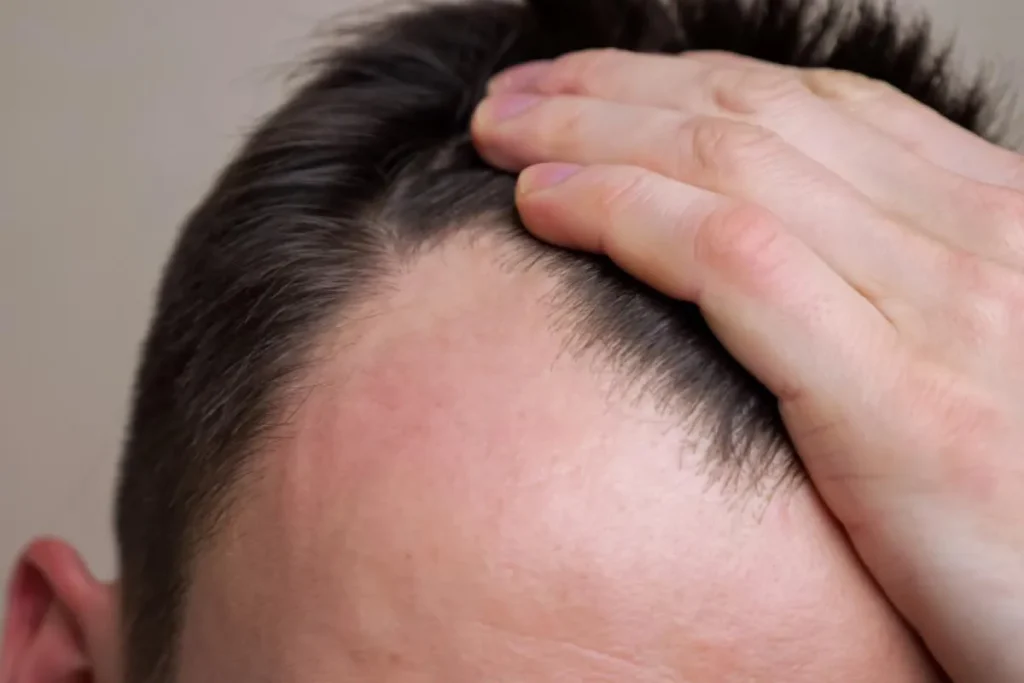
Alopecia is a term that covers many hair loss conditions. Each type has its own signs and effects on hair health. It affects people in various ways.
What Is Alopecia?
Alopecia is a group of conditions that cause hair loss. The main types are alopecia areata and androgenetic alopecia. Knowing the type of alopecia is key to finding the right treatment.
Common Types of Alopecia
There are several types of alopecia, each with its own challenges:
Alopecia Areata: It causes unpredictable hair loss, often in round patches. It’s an autoimmune condition that can be emotionally tough.
Androgenetic Alopecia: This is a hereditary condition that leads to male or female pattern baldness. It’s the most common type and can be treated with hair transplantation.
Alopecia Totalis: This condition results in all hair on the scalp being lost, often linked to alopecia areata.
Alopecia Universalis: The most severe form, where all body hair is lost.
Each type of alopecia needs a specific treatment plan. For example, alopecia areata hair transplant is suitable for those with stable, localized hair loss. On the other hand, androgenic alopecia hair transplant is a common choice for hereditary baldness.
Understanding the different types of alopecia helps people make better choices for their hair health. Whether looking into a hair transplant alopecia treatment or other options, knowing the facts is essential. It helps regain confidence and achieve a fuller head of hair.
Can Someone With Alopecia Get a Hair Transplant?
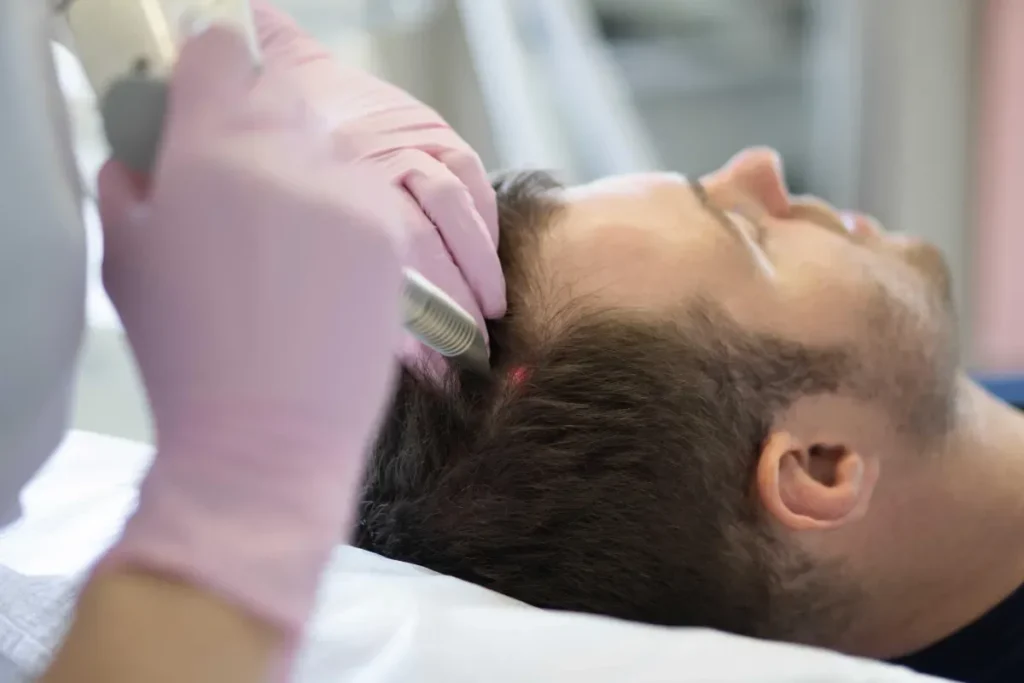
For those with alopecia, getting a hair transplant is a tempting idea. Alopecia causes hair loss, affecting self-esteem and confidence. Hair transplantation moves healthy hair follicles to bald spots, promising a solution for some.
Hair Transplant Procedure Explained
The process takes healthy hair follicles from the back or sides and moves them to bald spots. Modern methods like follicular unit extraction (FUE) and follicular unit transplantation (FUT) offer natural results with little scarring.
Ideal Candidates for Hair Transplantation
Not all with alopecia are good candidates for hair transplants. It depends on the type and extent of alopecia and the donor hair. Those with androgenetic alopecia often have enough healthy donor hair.
Success Rates for Androgenic Alopecia
Hair transplants work well for androgenetic alopecia. Success rates are high, with noticeable growth in six months to a year. Here’s what to expect:
Limitations for Alopecia Areata Patients
Those with alopecia areata face big challenges with hair transplants. The autoimmune nature of alopecia areata can attack transplanted hair, making outcomes uncertain. So, hair transplants are not usually recommended for active or severe alopecia areata.
In summary, hair transplantation might be an option for some with alopecia, mainly those with androgenetic alopecia. But, it’s important to know the limitations and possible results based on the condition’s type and severity.
Conclusion: Alternative Solutions and Future Considerations
Looking into hair transplants for alopecia, we find many treatment options. For those looking for hair replacement for alopecia, there are choices like minoxidil, finasteride, and PRP therapy. These can help a lot.
But, some might look into wigs, hairpieces, or scalp micropigmentation. How well these work can vary. It’s important to remember that does hair replacement work depends on the person. Also, do hair transplant work depends on the type of alopecia and the doctor’s skill.
By taking a holistic view of hair health, we can help people feel more confident. With new treatments like stem cell therapy and hair cloning coming, there’s hope for more options. Whether it’s medical or non-medical, the aim is to help those with alopecia feel good about themselves.
FAQ
Can you get a hair transplant with alopecia?
Getting a hair transplant with alopecia depends on the type. For androgenetic alopecia, hair transplants can help. But, for alopecia areata, it’s more complicated due to the condition’s unpredictable nature.
What is the difference between alopecia areata and androgenetic alopecia?
Alopecia areata causes patchy hair loss due to an autoimmune issue. Androgenetic alopecia leads to gradual thinning due to genetics. Knowing the type is key to finding the right treatment, including hair transplants.
How does a hair transplant work for alopecia?
Hair transplants move healthy hair follicles to bald spots. For androgenetic alopecia, this can work well. The transplanted hair comes from areas that don’t thin, making the hair look natural.
Are hair transplants effective for bald spots caused by alopecia areata?
Transplants for alopecia areata’s bald spots are tricky. Success depends on the condition’s stability and donor hair health. Sometimes, medical treatment is needed before transplanting.
Can hair implants work for androgenic alopecia?
Yes, hair implants can help with androgenic alopecia. They move healthy follicles to thinning areas. Success depends on choosing the right candidate and using advanced techniques.
Does hair transplant work for everyone with alopecia?
Hair transplants aren’t for everyone with alopecia. They work well for androgenetic alopecia but are less reliable for alopecia areata. Each case needs careful consideration and medical evaluation.
What are the alternatives to hair transplants for alopecia?
Alternatives include medical treatments like corticosteroids and immunotherapy for alopecia areata. For androgenetic alopecia, minoxidil and finasteride are options. Non-medical solutions like wigs and hairpieces also offer coverage and confidence.
How to determine if I’m a good candidate for a hair transplant with alopecia?
Finding out if you’re a good candidate involves a detailed evaluation by a specialist. They consider the type and extent of alopecia, donor hair, and overall health. A personal consultation is key to understanding the transplant’s benefits and limitations.
References
https://wimpoleclinic.com/blog/how-to-fix-a-messed-up-hairline





