
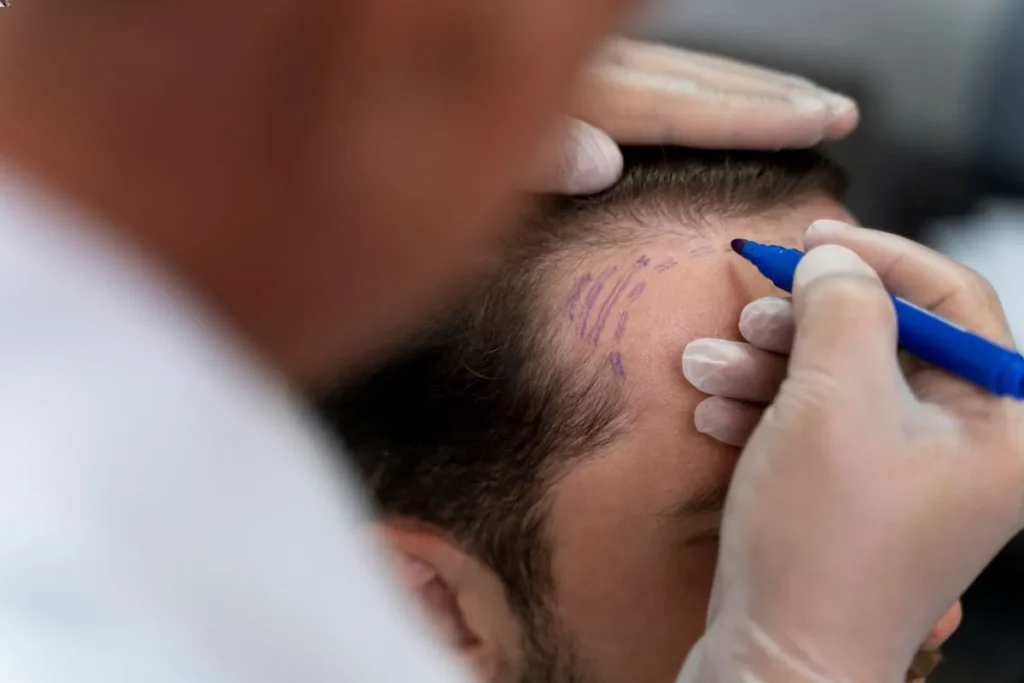
For those dealing with hair loss, hair transplants are a trusted option. Many wonder where the hair for these procedures comes from.
Don’t worry, you won’t have to find someone to donate their hair. In most cases, over 91%, the grafts come from your own scalp. They are taken from the back and sides of your head.
This spot is picked because the hair follicles there resist the hormone causing baldness. This hormone is called dihydrotestosterone (DHT).
Key Takeaways
Hair transplants mainly use the patient’s own scalp as the donor site.
The back and sides of the head are the main donor areas.
Hair follicles from these areas are resistant to balding.
The procedure minimizes the risk of rejection.
Transplanted hair grows naturally.
The Science Behind Hair Transplantation
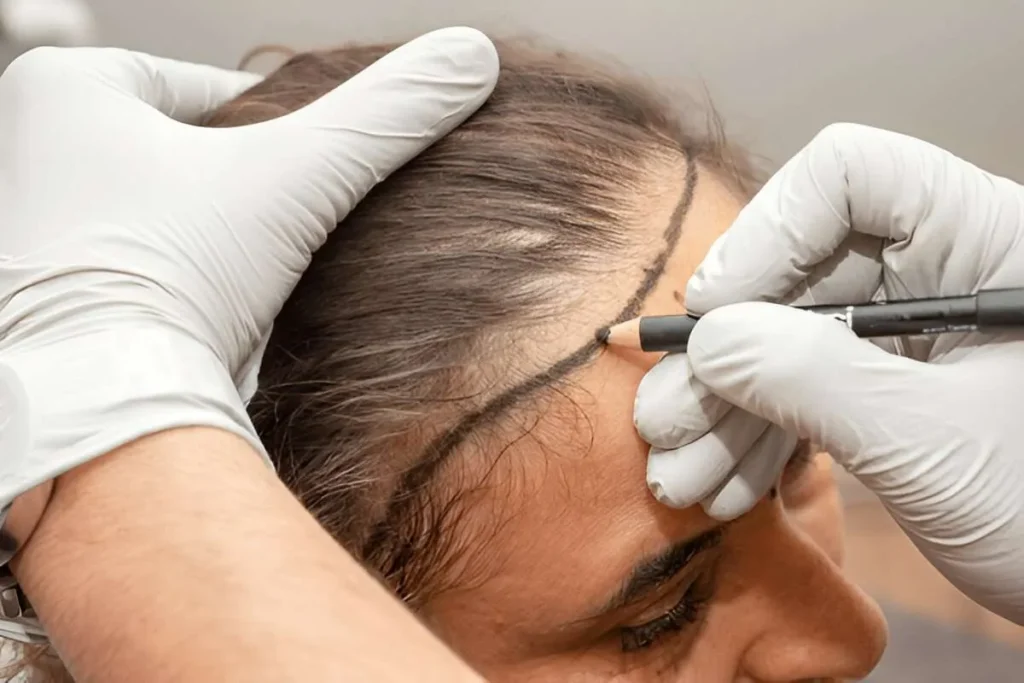
Hair transplantation is based on understanding how hair follicles work. It moves hair follicles from one scalp area to another. This method is known for its success in fighting hair loss.
At the core of hair transplantation is using a patient’s own hair. This approach is chosen because it lowers the chance of rejection and looks natural.
Autologous Transplantation Process
The process starts by finding a donor area at the back and sides of the scalp. These spots have hair follicles that resist dihydrotestosterone (DHT) well. DHT causes hair to shrink and eventually fall out.
Healthy follicles are carefully taken from the donor area and prepared for transplant. They are then placed in thinning or balding spots. There, they grow and act like they did before, solving hair loss problems for good.
Why Patients’ Own Hair is Used in 91.7% of Cases
Using a patient’s own hair is common because it’s safe and natural. It reduces the chance of the transplanted hair being rejected. This leads to a look that blends well with the patient’s existing hairline.
The success of hair transplantation also depends on how sensitive scalp hair is to DHT. Hair in the front, top, and crown is more sensitive and falls out. But, hair from the back and sides is less sensitive and works well for transplants.
The table shows why using donor area hair is key to successful transplantation. It uses the natural resistance of donor area hair to DHT. This makes hair transplantation a reliable fix for hair loss.
Donor Hair Follicles: Location and Characteristics
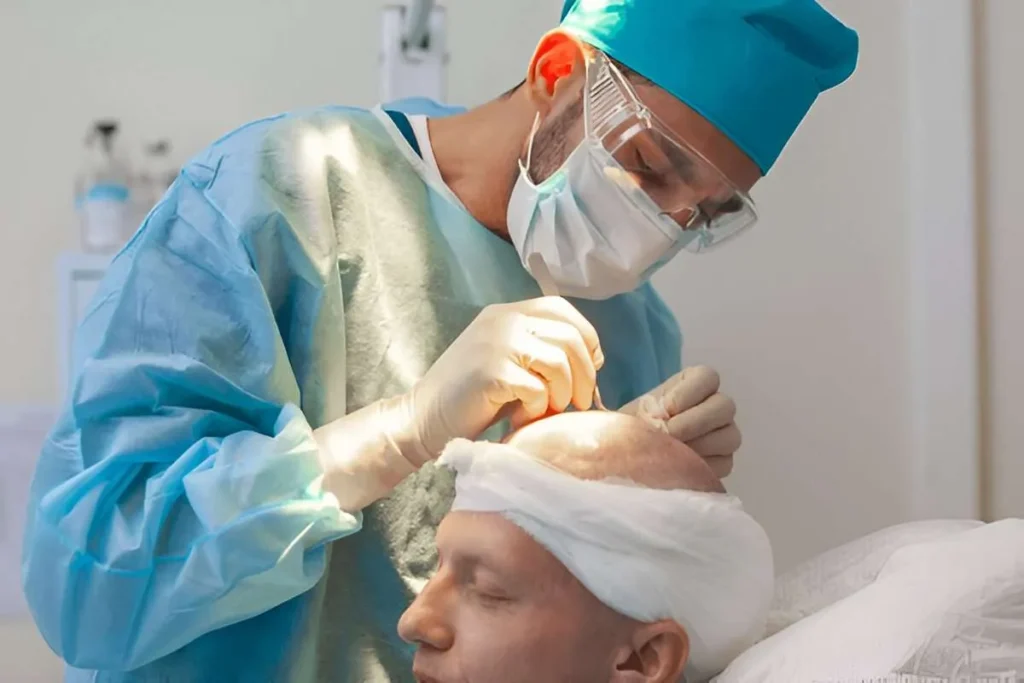
Knowing where and what donor hair follicles are is key for a good hair transplant. The success of a transplant depends a lot on the quality and type of donor hair.
The back and sides of the scalp are the top choices for hair transplants. They are picked because of their special traits, making them perfect for the job.
Back and Sides of the Scalp: The Primary Donor Site
Hair follicles at the back and sides of the scalp fight off balding better. This is a big plus for hair transplants, as it means the new hair will keep growing.
DHT Resistance: Donor hair’s main defense against balding is its low sensitivity to DHT. This hormone causes male pattern baldness. Follicles in the donor area are less affected by DHT, so they don’t shrink as much.
DHT-Resistant Properties of Donor Area Hair
Donor area hair’s resistance to DHT makes it the best choice for transplants. When moved to balding spots, this hair keeps its DHT resistance. This means it keeps growing, solving hair loss problems for good.
Retaining Immunity: The transplanted hair stays immune to DHT, keeping it healthy in balding areas. This is key for the lasting success of hair transplants.
Harvesting and Availability of Donor Hair
The success of a hair transplant depends on the availability and quality of donor hair. The back of the head usually has many grafts for transplanting.
Typical Graft Quantities
Most people have 6,000 to 8,000 grafts in the back of their head. The International Society of Hair Restoration Surgery says those with early-stage hair loss can get 6,500-8,000 grafts.
Donor Area Density
The density of the donor area is key, with 80-100 follicular units per square centimeter. The safe donor area has more than 64 hairs/cm². This ensures a good supply of healthy hair follicles for transplanting.
Extraction Methods and Their Impact on Donor Sites
The method used to extract hair affects the donor site. Follicular Unit Extraction (FUE) and Follicular Unit Transplant (FUT) are common methods. FUE takes individual follicles, while FUT removes a strip of scalp.
Choosing the right method for the donor area is key. This helps surgeons achieve the best results. Patients then get a natural-looking hairline and more confidence.
Conclusion
Hair transplants have changed how we deal with hair loss. They offer a natural and effective way to solve the problem. So, where do they get the hair for a hair transplant? The answer is simple: from the patient’s own scalp.
The back and sides of the head are the main sources of hair. They provide healthy hair follicles for the transplant. This way, hair transplantation is safe and looks natural.
It uses the patient’s own hair, reducing the chance of rejection. The science and methods behind it help achieve a natural look. This makes hair transplantation a key to a radiant glow and timeless beauty.
So, where does the hair from hair transplants come from? It’s the patient’s own hair, carefully taken and moved to the bald spots. This way, people can regain a full head of hair. Hair transplant procedures help individuals feel confident and celebrate their uniqueness.
FAQ
Where do they get the hair for hair transplants?
Hair for hair transplants usually comes from the patient’s own scalp. This is mainly from the back and sides of the head. These areas are the primary donor sites.
Why is the back and sides of the scalp used as the donor site for hair transplants?
The back and sides are chosen because the hair follicles there are resistant to DHT. DHT is the hormone that causes male pattern baldness.
What is autologous transplantation, and why is it the preferred method?
Autologous transplantation means using the patient’s own hair. It’s the top choice because it lowers the chance of rejection. It also makes the transplant look natural, with 91.7% of cases opting for it.
How many grafts are typically available in the donor area?
The back of the head usually has between 6,000 to 8,000 grafts. But, this number can differ from person to person.
What is the density of the donor area, and why is it important?
The donor area’s density is about 80-100 follicular units per square centimeter. This density is key to the success of a hair transplant.
What extraction methods are commonly used for harvesting donor hair?
Follicular Unit Extraction (FUE) and Follicular Unit Transplant (FUT) are common methods. The choice of method affects the donor site.
Are hair transplants using the patient’s own hair more successful?
Yes, using the patient’s own hair for transplants is more successful. It reduces rejection risk and ensures a natural look.
What percentage of hair transplant cases use the scalp as a donor site?
The International Society of Hair Restoration Surgery says 92.5% of hair transplant cases use the scalp as a donor site.





