
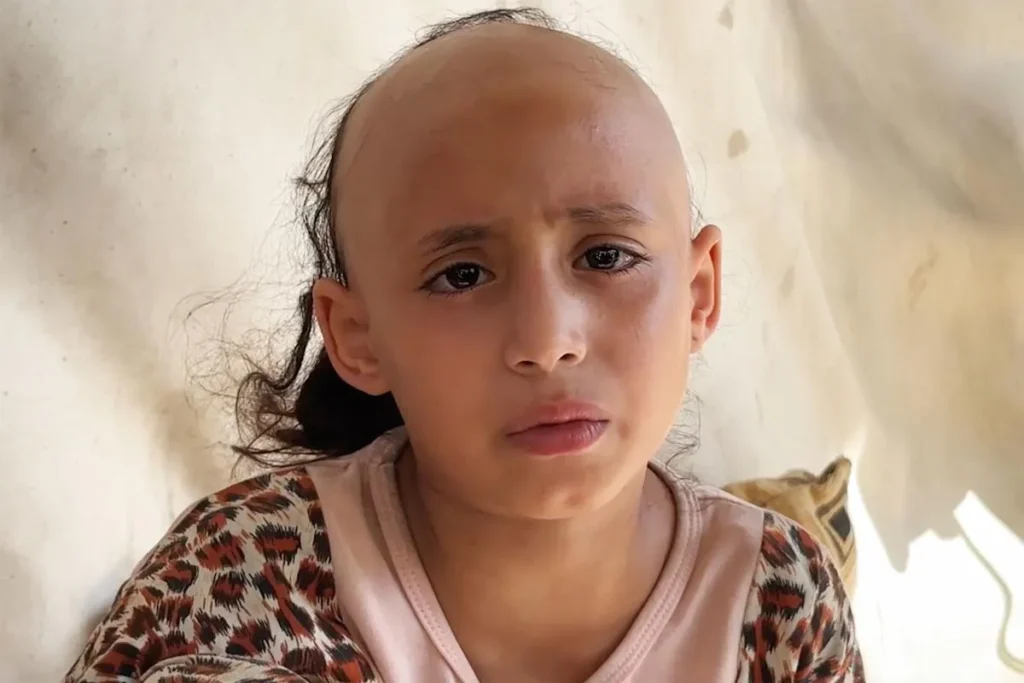
Seeing your child’s hair falling out worries any parent. But, most childhood hair loss can be treated and managed.
Issues like fungal infections and autoimmune disorders can lead to bald spots. Lack of important vitamins and minerals like vitamin D, zinc, iron, and biotin are big causes of hair thinning in kids.
At GoldCity Center, we know how upsetting childhood baldness can be. It’s important for your child to eat a balanced diet full of key nutrients. Knowing the reasons, from vitamin deficiencies to other health issues, helps fix the problem.
Key Takeaways
Childhood hair loss can be caused by various factors, including nutritional deficiencies and medical conditions.
Vitamin D, zinc, iron, and biotin deficiencies are common contributors to hair thinning in children.
A balanced diet rich in essential nutrients is vital for healthy hair.
Fungal infections and autoimmune disorders can also cause hair loss in children.
Understanding the underlying cause is key to addressing childhood hair loss effectively.
Understanding Childhood Hair Loss
It’s important to know why kids lose hair and how to spot it early. Hair loss in kids, or alopecia, can show up in different ways. This includes patches of missing hair or hair that’s thinning all over.
Spotting the signs early is key for parents to get help fast. Look out for scaly patches, broken hairs, or redness on the scalp. Sometimes, hair loss can also mean itching or pain.
Common Signs and Symptoms of Pediatric Alopecia
Pediatric alopecia can look different, so knowing the signs is important. Here are some common ones:
Patchy hair loss or thinning
Scaly patches on the scalp
Broken hairs or hair fragments
Redness or inflammation of the scalp
Itching or pain in the affected area
These signs might mean there’s a problem that needs a doctor’s help. Catching it early can stop more hair loss and help hair grow back.
How Common is Hair Loss in Children?
Hair loss in kids is more common than you might think. About 3 percent of kids see a doctor for hair loss. Some cases are easy to fix, but others need ongoing care.
Knowing how common hair loss is in kids helps parents act fast. By recognizing the signs, parents can get their kids the help they need. This ensures the best chance for their hair to grow back.
Hair Loss in Children: Vitamin Deficiency as a Primary Cause
Vitamin deficiency is a big reason for hair loss in kids. It’s important to know how it affects them. Making sure they get the right vitamins and minerals is key for healthy hair.
Vitamin D Deficiency and Its Impact on Hair Follicles
About 60.4 percent of kids with alopecia areata don’t have enough vitamin D. This number includes 38.2 percent who are actually deficient. Vitamin D is important for hair follicles. Not having enough can cause hair loss, including alopecia areata.
Experts say vitamin D is linked to autoimmune diseases like alopecia areata. This shows why keeping vitamin D levels up is important for hair health.
Zinc Deficiency and Cellular Metabolism
Zinc is a key mineral for hair growth. Without enough zinc, hair growth can stop. It’s important to get enough zinc through food or supplements for healthy hair.
To learn more about zinc and hair loss, check out The Hairy Pill.
Biotin (Vitamin B7) Deficiency
Biotin, or vitamin B7, is vital for hair growth. Not having enough biotin can cause hair loss and skin problems. It’s important to make sure kids get enough biotin for healthy hair.
Iron Deficiency and Telogen Effluvium
Iron deficiency is common and can cause hair loss in kids. Telogen effluvium, where a lot of hair falls out, is often linked to iron deficiency. Getting enough iron is important to prevent this.
“Iron deficiency is a big risk for telogen effluvium. Fixing this deficiency is key for healthy hair growth.”
Other Common Causes of Childhood Hair Loss
Childhood hair loss can come from many sources, not just what they eat. Health problems and things outside the body can also play a part.
Fungal Infections: Tinea Capitis
Tinea capitis, or ringworm of the scalp, is a fungal infection. It causes hair loss in kids. You can spot it by circular patches of hair loss, scaling, and sometimes pus.
Symptoms of Tinea Capitis include:
Circular patches of hair loss
Redness and scaling on the scalp
Pus-filled areas in severe cases
Broken hairs or black dots where hair has broken off at the scalp surface
Doctors treat it with antifungal meds, either on the skin or taken by mouth, depending on how bad it is.
Autoimmune Conditions: Alopecia Areata
Alopecia areata is when the body attacks hair follicles. This leads to hair loss. It can cause patches of hair loss or even total baldness.
The exact cause of alopecia areata is unknown, but it’s thought to be a mix of genetics and environment. Stress might also play a role.
Physical Damage: Traction Alopecia
Traction alopecia happens when hair follicles are pulled too much. This is often from tight hairstyles like braids or ponytails.
Prevention is key for traction alopecia. Avoid tight hairstyles and give your hair breaks from styling to prevent it.
Stress-Related Hair Loss in Children
Stress can also cause hair loss in kids. This is called telogen effluvium. It happens when stress makes more hair follicles rest, leading to more hair falling out.
Managing stress is important. Use relaxation techniques, get enough sleep, and live a balanced life to help prevent this hair loss.
Knowing why kids lose their hair is key for parents. It helps find the right treatment. By tackling the cause, you can stop more hair loss and help your child’s hair grow back.
Conclusion: When to Seek Medical Help
If your child is losing hair fast or without reason, get medical advice. A small bald spot on a 3-year-old or thinning hair in a child worries parents. Hair falling out in a daughter or thinning in a child might mean a health issue.
Seeing a dermatologist or pediatrician early is key. It helps catch problems early and start treatment. This can stop permanent damage and help hair grow back.
Watching your child’s hair health closely is important. If you see unusual hair loss, talk to a doctor. Early treatment can fix the cause and help hair grow back. It’s all about catching problems early and helping your child’s hair stay healthy.
FAQ
What are the common signs of hair loss in children?
Signs include patchy hair loss, thinning all over, and scaly patches. Broken hairs and redness are also common. If you see these, get a doctor’s opinion.
How common is hair loss in children?
Hair loss in kids is quite common. It can be due to many reasons like vitamin shortages, fungal infections, and autoimmune diseases. Physical damage can also play a part.
Can vitamin deficiencies cause hair loss in children?
Yes, not having enough vitamins like D, zinc, biotin, and iron can lead to hair loss. It’s important to make sure they get these nutrients through food or supplements.
What is the link between vitamin D deficiency and hair loss?
Vitamin D shortage is linked to hair loss, including alopecia areata. Keeping vitamin D levels up is key for hair health.
What is tinea capitis, and how does it cause hair loss?
Tinea capitis, or ringworm of the scalp, is a fungal infection. It causes hair loss by making the scalp scaly, red, and breaking hairs.
Can stress cause hair loss in children?
Yes, stress can lead to hair loss in kids. It happens when the body reacts to stress, affecting hair growth.
What is traction alopecia, and how can it be prevented?
Traction alopecia is hair loss from tight hairstyles like braids or ponytails. To avoid it, choose loose hairstyles and give your hair breaks.
When should I seek medical help for my child’s hair loss?
If your child’s hair loss is unusual or comes with redness, scaly patches, or broken hairs, see a doctor. They can offer advice and treatment.
How can I promote healthy hair growth in my child?
A balanced diet with the right vitamins and minerals is essential for healthy hair. Regular health check-ups can also spot any problems early.
References
National Center for Biotechnology Information. Evidence-Based Medical Insight. Retrieved from https://pmc.ncbi.nlm.nih.gov/articles/PMC5522886/[1





