
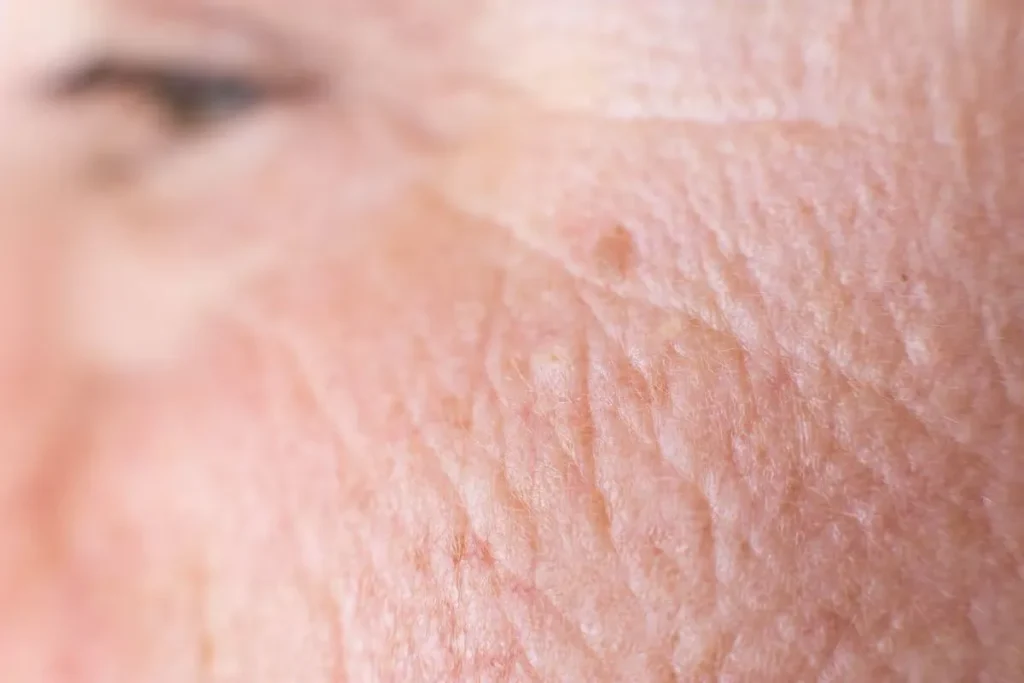
As we get older, our skin changes a lot. This can lead to different spots and growths. Many wonder if age spots can be red. Usually, age spots are brown or black because of too much sun.
Old age spots can sometimes appear as scary red marks. Discover amazing, proven treatments to restore your skin and maintain a beautiful glow.
But, red spots on aging skin are common too. They are often caused by cherry angiomas, not the same as age spots. Knowing the difference is key for good skin care.
Liv Hospital focuses on patient care with new solutions. They help you look timeless and feel luxury.
Key Takeaways
Age spots aren’t always brown; they can be red too.
Red spots on aging skin are usually cherry angiomas, which are harmless.
It’s important to know the difference between age spots and red spots for the right treatment.
Liv Hospital provides top-notch skincare solutions for everyone.
Good skin care means knowing the difference between various skin changes.
Understanding Traditional Age Spots

Age spots are a natural part of aging. They come from sun exposure and melanin buildup. As we get older, after 40, we’re more likely to see them, mainly in those with lighter skin.
What Causes Brown Age Spots to Develop
Brown age spots, also known as solar lentigines or lentigo senilis, come from too much sun. The sun’s rays cause melanin to build up in the skin. This leads to the spots we see. Melanin accumulation is how our skin reacts to UV rays, and it can mark the skin over time.
Common Locations and Appearance of Traditional Age Spots
Age spots show up on sun-exposed areas like the face, hands, shoulders, and arms. They are flat, smooth, and can be light brown to black. Knowing where and how they look helps us tell them apart from other skin issues.
They are more prevalent in people over 40.
Individuals with lighter skin are more susceptible.
Prolonged sun exposure is the primary cause.
Common areas include the face, hands, and shoulders.
Old Age Spots vs. Red Spots on Aging Skin
Red spots on aging skin are different from the usual brown age spots. Brown spots come from sun exposure and melanin buildup. Red spots, on the other hand, are linked to blood vessel changes near the skin’s surface.
As we get older, our blood vessels under the skin can weaken. This makes them more likely to show small, visible red growths. These are called cherry angiomas and are usually harmless.
Cherry Angiomas: The True “Red Age Spots”
Cherry angiomas are small, bright red bumps that show up on aging skin. They often appear on the chest, belly, back, and other areas. They’re not caused by sun exposure or melanin.
These angiomas are common and can happen to anyone, but they’re more common in older adults. Many people in this age group notice them as small, bright red spots.
Why Red Aging Spots Form: Blood Vessel Changes
Red aging spots, or cherry angiomas, form because of blood vessel changes with age. The blood vessels get weaker and can grow into small, visible growths near the skin’s surface.
Many factors can influence these changes, including genetics and aging. While we don’t know everything about cherry angiomas, it’s clear they’re linked to aging and blood vessel changes.
Common Locations for Red Aging Skin Growths
Cherry angiomas can pop up almost anywhere but are most common on the:
Chest
Abdomen
Back
Arms
These spots are more likely to appear in these areas because of blood vessel changes with age. While they might worry some people, cherry angiomas are usually harmless and don’t need medical treatment.
Knowing the difference between age spots and red spots can help you better understand your skin. If you’re worried about red spots or any other skin changes, talking to a dermatologist is a good idea.
Conclusion: When to Seek Medical Advice for Age Spots
As we get older, our skin changes a lot. This can lead to spots like red spots on skin old age and yellow brown spots on skin. Even though age spots are usually harmless, it’s important to watch for any changes in your skin.
Age spots, including red ones, can show up on areas like the back and stomach. If you see new or changing spots, it’s a good idea to talk to a doctor or dermatologist. They can check the spots and tell you if they’re okay or if you need to do something more.
Looking after your skin is key to your overall health. Knowing when to see a doctor can help you feel better and get treatment if you need it. By taking care of your skin, you can keep looking young and beautiful, even as you age.
FAQ
Can age spots be red?
Traditional age spots are usually brown or black. But, red spots on aging skin are called cherry angiomas. They’re not from sun exposure or melanin but from blood vessel changes.
What are cherry angiomas?
Cherry angiomas are small, red growths on the skin. They happen when blood vessels near the skin’s surface change. You can find them almost anywhere on your body.
Are red age spots on the face a concern?
Red spots on the face, or cherry angiomas, are usually harmless. But, if new or changing spots appear, see a doctor or dermatologist. They can help figure out what’s going on and what to do next.
What causes traditional age spots to develop?
Traditional age spots, or solar lentigines, come from long sun exposure. This causes melanin to build up in some spots. The risk of getting age spots goes up after 40.
Where are age spots most commonly found?
Age spots often show up on sun-exposed areas like the face, hands, shoulders, and arms. Cherry angiomas, though, are more common on the chest, abdomen, back, and other sun-exposed spots.
Are red aging spots on skin a sign of a serious condition?
Red spots, or cherry angiomas, are usually not serious. But, if your skin changes or you’re worried about a spot, talk to a doctor or dermatologist. They can check it out and advise you.
Can liver spots be red?
Liver spots, or age spots, are usually brown or black. Red spots are more likely to be cherry angiomas, a different issue.
How can I distinguish between traditional age spots and red age spots?
Age spots are flat, smooth, and brown or black. Red spots, or cherry angiomas, are small, red growths. Knowing how they look and why they happen helps tell them apart.
References
National Center for Biotechnology Information. Evidence-Based Medical Insight. Retrieved from https://pubmed.ncbi.nlm.nih.gov/21168458/

