Facial alopecia refers to the loss of hair on the face, most commonly affecting the beard, eyebrows, or sideburns. While many people notice a few stray hairs missing, persistent or patchy hair loss can signal an underlying condition that warrants professional attention. This article explains the biology behind facial hair loss, outlines the most common triggers, and guides you through modern diagnostic methods and treatment pathways.
According to dermatological studies, up to 2 % of adults experience some form of facial hair thinning, with autoimmune disorders such as alopecia areata accounting for a significant share. Recognizing early signs—like sudden bald spots or uneven hair density—can help prevent further progression and improve treatment outcomes.
We will explore the spectrum of facial alopecia, from mild hair thinning to complete loss, and provide practical advice on how to manage the condition effectively. Whether you are seeking medical insight or considering cosmetic solutions, understanding the root cause is the first step toward regaining confidence.
What Is Facial Alopecia and How Does It Present?
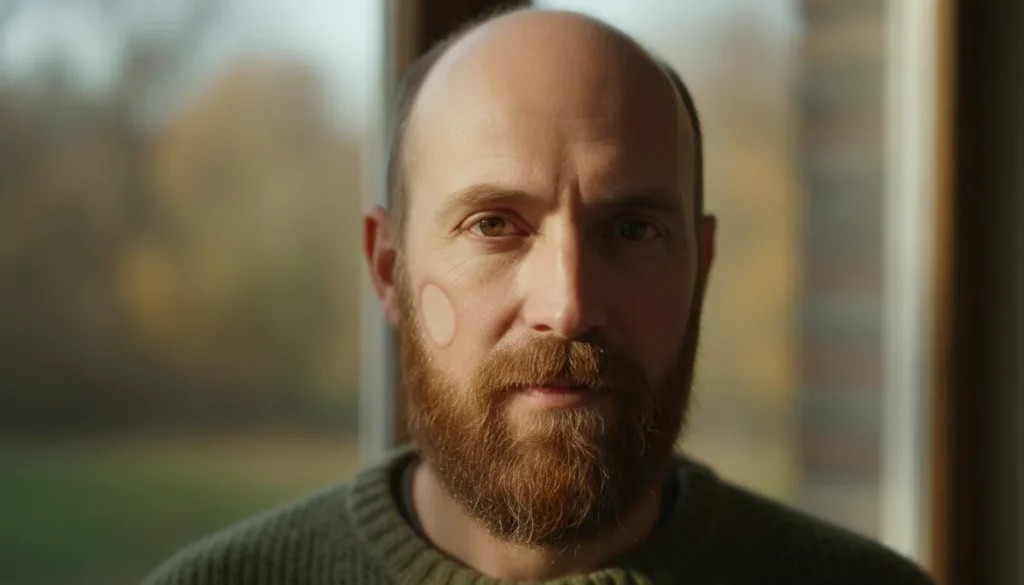
Facial alopecia describes any condition that leads to hair loss on the skin of the face. The most frequent form is alopecia areata, an autoimmune reaction where the body mistakenly attacks hair follicles, resulting in smooth, round bald patches. Other variants include alopecia barbae (affecting the beard) and alopecia totalis, which can cause complete facial hair loss.
Typical symptoms include:
- Sudden appearance of a bald spot on the beard or sideburns.
- Hair thinning that creates an uneven appearance.
- Red or inflamed skin surrounding the affected area.
- Occasional itching or tingling sensations before hair loss.
While some individuals notice a single small patch, others may develop multiple lesions that coalesce into larger bald areas. The condition can affect both men and women, though the pattern often differs due to hormonal influences.
Common Causes and Risk Factors
Understanding why facial alopecia occurs is essential for selecting the right treatment. The most prevalent causes include:
| Cause | Mechanism | Typical Presentation |
|---|---|---|
| Alopecia Areata | Autoimmune attack on hair follicles | Round, smooth bald patches |
| Hormonal Changes | Fluctuations in testosterone or DHT | Gradual thinning, especially in the beard area |
| Skin Conditions | Psoriasis, eczema, or fungal infections | Redness, scaling, or localized hair loss |
| Trauma or Burns | Physical damage to follicles | Irregular patches following injury |
| Genetic Predisposition | Family history of alopecia | Early onset, often symmetrical |
Additional risk factors that can exacerbate facial hair loss include high stress levels, nutritional deficiencies (especially iron and zinc), and certain medications such as isotretinoin or chemotherapy agents. Recognizing these contributors helps clinicians tailor a comprehensive management plan.
Diagnosis and Medical Evaluation
Accurate diagnosis of facial alopecia begins with a thorough clinical examination. Dermatologists assess the pattern of hair loss, look for accompanying skin changes, and may employ specialized tools to confirm the underlying cause.
Key diagnostic steps include:
- Visual inspection and measurement of bald patches.
- Dermoscopy to evaluate follicle health and rule out scarring.
- Skin biopsy in ambiguous cases to identify autoimmune activity.
- Blood tests to check for thyroid function, iron levels, and auto‑antibodies.
- Patient history review focusing on stress, medication, and family history.
In many instances, the diagnosis of alopecia areata can be made without invasive procedures, especially when classic round patches are present. However, when hair loss is diffuse or accompanied by other skin disorders, a biopsy may be necessary to differentiate from conditions like tinea barbae or lupus erythematosus.
Treatment Options and Management Strategies
Once the cause of facial alopecia is identified, a range of treatment modalities can be considered. Options vary from medical therapies that modulate the immune system to cosmetic procedures that restore hair density.
| Treatment | How It Works | Typical Duration |
|---|---|---|
| Topical Corticosteroids | Reduce local inflammation | 4–12 weeks |
| Intralesional Steroid Injections | Directly suppress autoimmune activity | Every 4–6 weeks |
| Topical Immunotherapy (DPCP) | Stimulates an allergic reaction to divert immune response | 6–12 months |
| Oral JAK Inhibitors | Target specific pathways involved in alopecia | Variable, monitored by physician |
| Platelet‑Rich Plasma (PRP) | Injects growth factors to promote follicle regeneration | 3‑month series |
| Hair Transplant (FUE) | Moves healthy follicles from donor site to affected area | Single procedure, recovery 2‑3 weeks |
For patients with mild hair thinning, topical minoxidil or natural oils may provide modest improvement. In cases of active autoimmune alopecia, corticosteroid therapy—either topical or intralesional—remains the first‑line approach. Emerging treatments such as Janus kinase (JAK) inhibitors have shown promising results in clinical trials, particularly for extensive facial alopecia.
When medical therapy stabilizes the condition but does not fully restore hair, many choose a hair transplant. Modern follicular unit extraction (FUE) techniques can deliver natural‑looking results with minimal scarring, making it a viable option for permanent restoration.
Preventive Care and Lifestyle Recommendations
While not all cases of facial alopecia are preventable, certain lifestyle adjustments can reduce the risk of flare‑ups and support overall hair health.
- Balanced Nutrition: Ensure adequate intake of iron, zinc, biotin, and omega‑3 fatty acids.
- Stress Management: Practice mindfulness, yoga, or regular exercise to lower cortisol levels.
- Gentle Skin Care: Use mild cleansers and avoid harsh chemicals that may irritate facial skin.
- Avoid Tight Grooming: Limit excessive pulling or aggressive shaving that can traumatize follicles.
- Regular Medical Check‑ups: Early screening for thyroid or autoimmune disorders can catch underlying issues before significant hair loss occurs.
Incorporating these habits alongside any prescribed treatment can improve outcomes and may even slow the progression of facial alopecia over time.
Why Choose Gold City Medical Center
Gold City Medical Center combines advanced medical expertise with a patient‑focused approach to deliver comprehensive care for facial alopecia. Our multidisciplinary team includes dermatologists, trichologists, and cosmetic surgeons who collaborate to create individualized treatment plans. With state‑of‑the‑art facilities and a commitment to evidence‑based therapies, we help patients achieve both medical relief and aesthetic confidence.
Ready to address facial hair loss with trusted specialists? Contact Gold City Medical Center today to schedule a personalized consultation and explore the most effective treatment options for your needs.
FAQ
What is facial alopecia and how does it differ from other hair loss conditions?
Facial alopecia is hair loss on the face, typically affecting the beard, eyebrows, or sideburns, and can be caused by autoimmune, hormonal, or skin‑related factors.
What are the most common causes of facial alopecia?
The main causes are alopecia areata, hormonal fluctuations, skin conditions, trauma, and genetic predisposition.
How is facial alopecia diagnosed by dermatologists?
Diagnosis involves visual inspection, dermoscopy, possible skin biopsy, and blood tests to assess underlying causes.
What treatment options are available for facial alopecia?
Treatments range from topical and intralesional steroids to JAK inhibitors, PRP, and hair transplant surgery.
Can lifestyle changes help prevent or reduce facial alopecia?
Yes, balanced nutrition, stress management, gentle skin care, and regular medical check‑ups can support hair health and reduce flare‑ups.
When should I consider a hair transplant for facial alopecia?
A hair transplant is advisable when medical therapies have stabilized the condition but have not fully restored hair density.





