Embarking on a colon cleanse at home can feel daunting, but with the right knowledge it becomes a manageable part of a healthy lifestyle. This guide explains what a colon cleanse involves, why many people choose to do it at home, and the safest methods to achieve a gentle reset. According to recent health surveys, up to 30 % of adults have tried some form of home detox in the past year, often seeking relief from bloating, irregularity, or low energy. Understanding the science behind the process helps you decide if a home approach fits your goals.
We’ll walk through the anatomy of the colon, explore natural dietary strategies, review gentle enema techniques, and outline when professional assistance is advisable. By the end of this article you’ll have a clear roadmap for a responsible colon cleanse at home, backed by evidence‑based recommendations and practical tips you can start using today.
Remember, a colon cleanse is not a substitute for medical treatment, but when performed correctly it can support digestive comfort and overall wellbeing. Let’s begin by looking at how the colon works and what signals might indicate it needs a little extra care.
Understanding the Colon and Why a Cleanse May Help
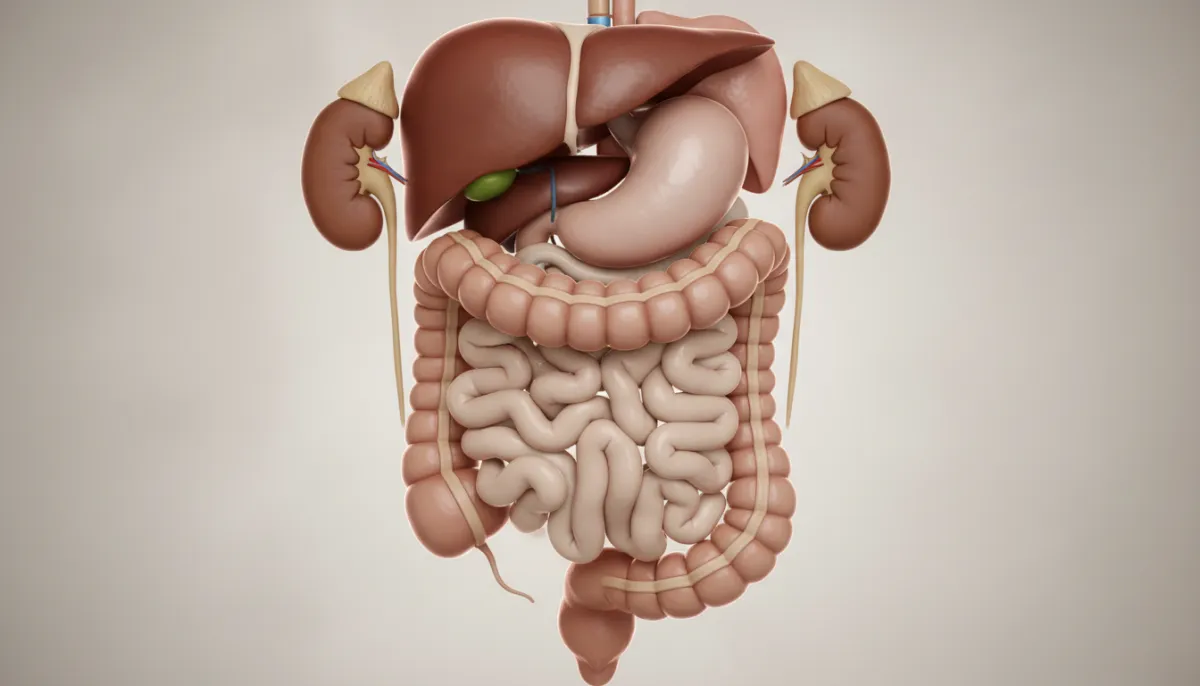
The colon, also known as the large intestine, plays a crucial role in absorbing water, electrolytes, and vitamins while forming and transporting stool. When waste material lingers too long, it can lead to discomfort, gas, and occasional constipation. While the body naturally eliminates waste, certain lifestyle factors—such as low fiber intake, dehydration, and stress—can slow the process.
Key Functions of the Colon
- Absorbs remaining water and electrolytes from digested food.
- Hosts beneficial bacteria that aid fermentation and nutrient synthesis.
- Forms solid waste for excretion.
Signs Your Colon May Need a Gentle Reset
- Frequent bloating or abdominal pressure.
- Irregular bowel movements (less than three times per week).
- Persistent low‑grade fatigue after meals.
When these symptoms appear, many individuals turn to a colon cleanse at home as a first step before considering clinical options. Below is a quick comparison of common home methods and their typical outcomes.
| Methode | Primary Action | Typical Duration | Potential Benefits |
|---|---|---|---|
| High‑Fiber Diet | Increases stool bulk | 1–2 weeks | Improved regularity, better gut flora |
| Herbal Teas & Warm Water | Stimulates peristalsis | 3–5 days | Reduced bloating, gentle detox |
| Gentle Enemas | Directly flushes the distal colon | Single session | Immediate relief of constipation |
Natural Home Methods for a Colon Cleanse
Dietary adjustments form the backbone of a safe and sustainable colon cleanse at home. By focusing on fiber, hydration, and natural laxatives, you can encourage regular bowel movements without harsh chemicals.
High‑Fiber Foods to Include
Fiber adds bulk to stool, helping it move smoothly through the colon. Aim for 25–30 g of fiber daily from a variety of sources.
- Volle granen (oats, barley, quinoa)
- Legumes (lentils, chickpeas, black beans)
- Fresh fruits (apples with skin, berries, pears)
- Vegetables (broccoli, carrots, leafy greens)
- Seeds and nuts (chia, flaxseed, almonds)
Hydration and Herbal Teas
Water is essential for softening stool. Aim for at least 2 liters per day, and consider adding warm herbal teas that have mild laxative effects.
- Senna leaf tea (use sparingly, 1 cup per day)
- Ginger tea – supports digestion and reduces gas
- Peppermint tea – relaxes intestinal muscles
Below is a quick reference table of common high‑fiber foods and their fiber content per serving.
| Voedsel | Serving Size | Fiber (g) |
|---|---|---|
| Oats (rolled) | 1 cup cooked | 4 |
| Lentils | ½ cup cooked | 8 |
| Apple (with skin) | 1 medium | 4.4 |
| Broccoli | 1 cup chopped | 5.1 |
| Chia seeds | 2 tbsp | 10 |
Gentle Enema Techniques You Can Do Safely
For those seeking a more immediate effect, mild enemas can be performed safely at home when proper precautions are followed. Two of the most commonly discussed methods are coffee enemas and saline enemas.
Coffee Enema Basics
A coffee enema involves introducing a small amount of brewed, cooled coffee into the rectum. The caffeine and antioxidants are thought to stimulate the liver and promote bile flow, which may aid in colon clearance. Use only organic, low‑acidity coffee, and limit the procedure to once a week.
Saline Enema Steps
Saline enemas are the simplest and safest option for most people. They use a sterile saltwater solution to soften stool and encourage evacuation.
- Mix ½ teaspoon of non‑iodized salt with 1 liter of warm (body‑temperature) water.
- Fill a clean enema bag or bulb with the solution.
- Lie on your left side with knees slightly bent.
- Gently insert the tip, allowing the fluid to flow slowly.
- Hold for 5–10 minutes, then expel the fluid into the toilet.
Safety tips:
- Never use hot water—temperature should be close to body heat.
- Limit sessions to once every 3–5 days to avoid electrolyte imbalance.
- Stop immediately if you experience severe cramping, dizziness, or rectal bleeding.
When to Seek Professional Help and What to Expect
While many people successfully complete a colon cleanse at home, certain situations call for professional evaluation. Persistent constipation, unexplained weight loss, or chronic abdominal pain may signal an underlying condition that requires medical attention.
Colon Hydrotherapy Overview
Colon hydrotherapy, often referred to as colonic irrigation, is performed by a trained specialist who gently introduces filtered water into the colon using a specialized machine. The procedure can remove accumulated waste more thoroughly than a home method, but it should be approached with caution and only after a physician’s clearance.
Preparing for a Clinic Visit
Before your appointment, the clinic will typically ask you to follow a low‑residue diet for 24 hours and stay well‑hydrated. Some centers also provide a mild laxative (e.g., magnesium citrate) the night before to ensure the colon is clear.
Below is a side‑by‑side comparison of home versus clinic‑based colon cleansing.
| Aspect | Home Approach | Clinic Approach |
|---|---|---|
| Cost | Low (ingredients, basic supplies) | Higher (professional fee, equipment) |
| Depth of Cleansing | Superficial to moderate | Comprehensive, reaches entire colon |
| Safety Monitoring | Self‑managed, limited | Trained staff, real‑time observation |
| Convenience | Can be done at any time | Requires appointment and travel |
Common Myths and Facts About Home Colon Cleansing
Misconceptions can deter people from trying a safe cleanse or lead them to unsafe practices. Below we debunk several popular myths.
Myth vs. Fact
- Myth: A colon cleanse removes all toxins from the body.
Fact: The liver and kidneys are the primary detox organs; a cleanse supports bowel function but does not replace these systems. - Myth: You need to do a cleanse every month.
Fact: Regular fiber intake and hydration are more sustainable; frequent aggressive cleanses can disrupt gut microbiota. - Myth: Coffee enemas are dangerous for everyone.
Fact: When prepared correctly and used sparingly, coffee enemas are generally safe for healthy adults, but they are not recommended for people with heart conditions or severe gastrointestinal disorders.
By separating fact from fiction, you can make informed choices about whether a home colon cleanse aligns with your health goals.
Why Choose Gold City Medical Center
Gold City Medical Center combines integrative medicine with cutting‑edge technology to support your digestive health journey. Our team of experienced physicians and nutrition specialists offers personalized assessments, safe colon hydrotherapy, and evidence‑based dietary plans. Whether you prefer a gentle home protocol or a professionally supervised cleanse, we provide the guidance and resources you need for lasting results. Trust a center that values holistic wellbeing, patient education, and the highest standards of care.
Ready to start a safe, effective colon cleanse? Contact Gold City Medical Center today to schedule a consultation or receive a personalized home‑cleansing plan. Take the first step toward a lighter, healthier you.
FAQ
What is a colon cleanse and why might someone do it at home?
A colon cleanse is a process that helps clear waste from the large intestine, and doing it at home offers a convenient, low‑cost way to support digestive comfort.
Which high‑fiber foods are best for a home colon cleanse?
Whole grains, legumes, fruits with skin, vegetables, and seeds like chia and flaxseed provide the most effective fiber for a cleanse.
How do gentle saline enemas work and are they safe?
Saline enemas use a warm salt‑water solution to soften stool and stimulate evacuation, and when performed correctly they are considered safe for most adults.
What are the signs that indicate I need a colon cleanse?
Frequent bloating, irregular bowel movements, and persistent low‑grade fatigue after meals are common signals that a reset may be helpful.
When should I seek professional help instead of a home cleanse?
If you have persistent constipation, unexplained weight loss, chronic abdominal pain, or any severe symptoms, consult a physician before continuing a cleanse.
Are coffee enemas safe and how often should they be used?
When prepared with organic, low‑acidity coffee and limited to once a week, coffee enemas are generally safe for healthy adults.





