
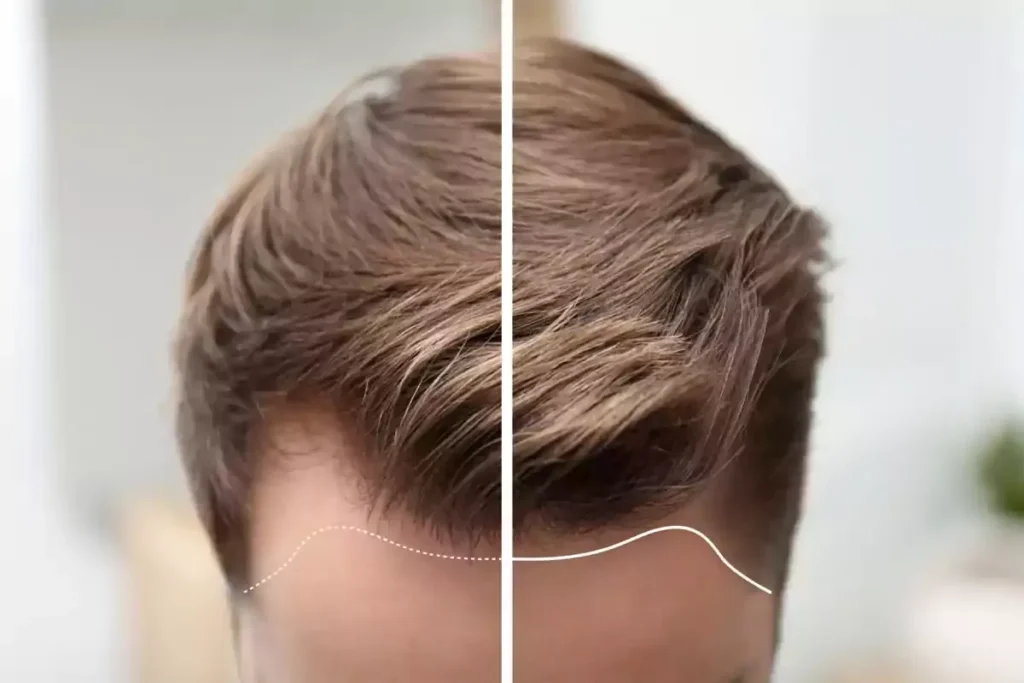
Minoxidil, also known as Rogaine, has changed lives for many with hair loss. It was first made in the 1970s for high blood pressure. But, it was found to help hair grow, so it got FDA approval in 1988 for balding.
Stopping Minoxidil can be scary for those who’ve seen it work. It’s key to know what happens when you stop and how long it takes. With the right plan and expert advice, you can handle the hair loss after stopping Minoxidil.
Key Takeaways
Understand the effects of stopping Minoxidil treatment
Learn how to manage hair loss after discontinuing Minoxidil
Discover strategies for minimizing hair loss
Get insights into the timeline of changes after stopping Minoxidil
Find out how professional guidance can help
Understanding Minoxidil and Its Effects on Hair
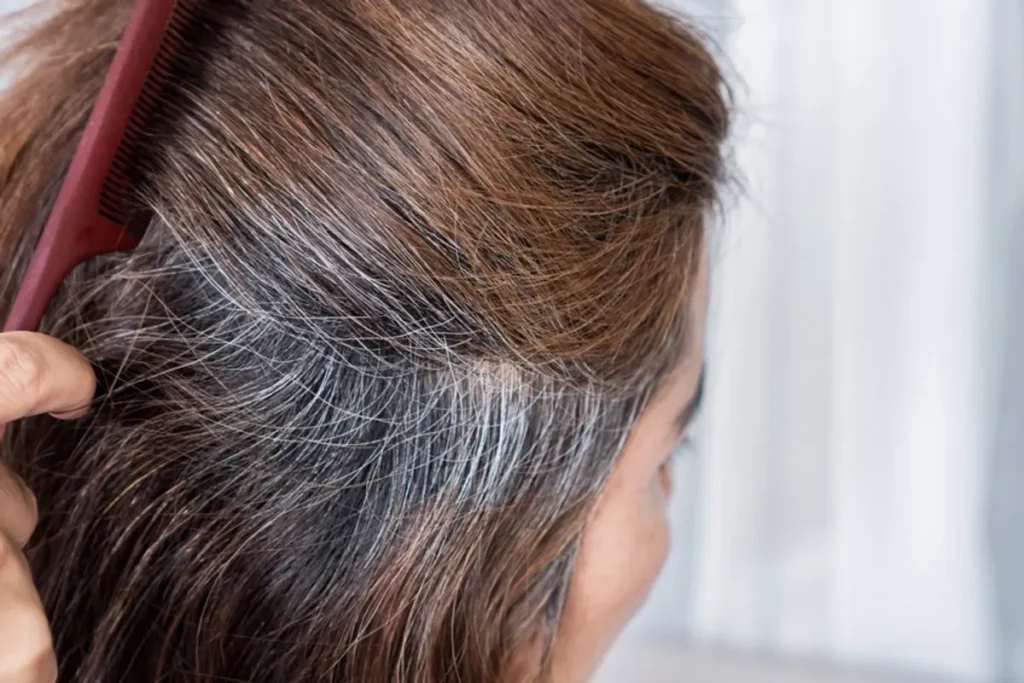
Exploring Minoxidil means looking into its history, how it affects hair follicles, and its side effects. Knowing this helps us make smart choices about using it for hair growth. Can You Stop Using Minoxidil? Understand the vital risks of quitting and learn how to manage the transition without losing all your progress.
What Is Minoxidil and Its History
Minoxidil was first made in the 1970s to treat high blood pressure. But, people noticed it made their hair grow. This led to more research into its use for hair growth.
By the 1980s, Minoxidil was a topical solution and got FDA approval for treating baldness. It’s now a top choice for fighting hair loss.
How Minoxidil Works on Hair Follicles
Minoxidil works by making scalp blood vessels wider. This brings more nutrients to hair follicles. It extends the anagen (growth) phase of the hair cycle, helping hair grow and reducing shedding.
It stimulates hair follicles, leading to thicker, longer hair. About 32% of users see better hair after a year.
Common Side Effects and Discontinuation Rates
Minoxidil is mostly safe but can cause scalp itching, redness, and facial hair. Knowing these side effects helps manage expectations and decide if to keep using it.
People stop using Minoxidil for various reasons, like not seeing results fast or side effects. It’s key to think about these when deciding to use Minoxidil for hair growth.
Thinking about stopping Minoxidil? It’s important to know how it might affect your hair. The big question is: if you stop using Minoxidil, will your hair fall out? The answer depends on understanding the treatment’s effects and managing its stop.
Can You Stop Using Minoxidil Without Losing Your Gains?
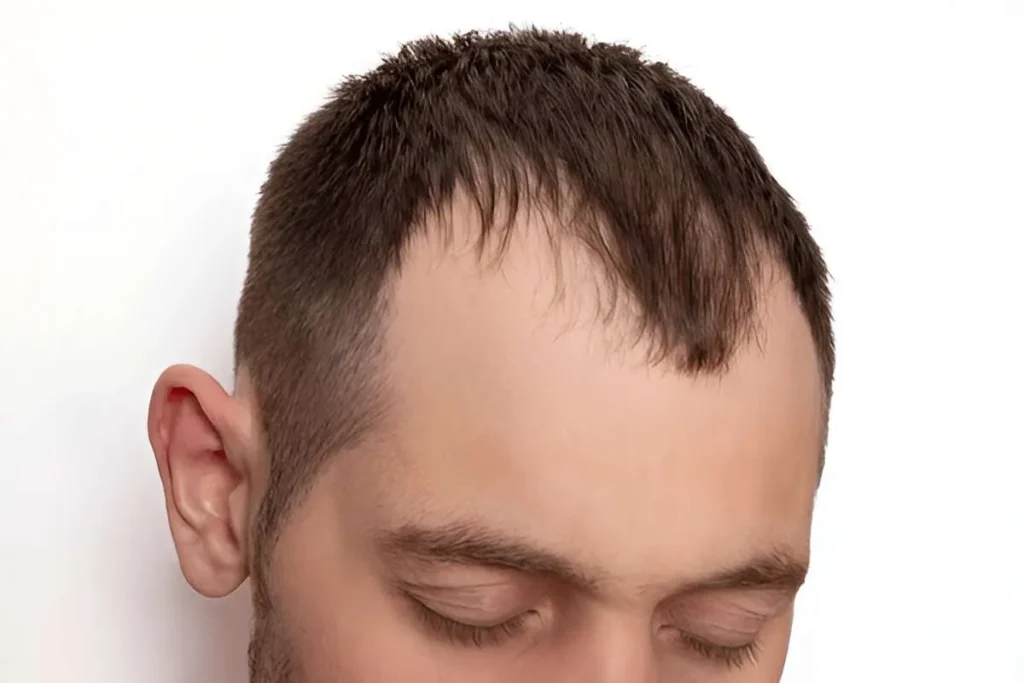
Many people wonder if they can stop using Minoxidil without losing the hair they’ve grown back. Stopping Minoxidil can be hard because of the dependency it creates over time. It’s important to understand what happens when you stop using it to make good choices for your hair.
The Reality of Minoxidil Dependency
Minoxidil makes hair grow and keeps it in the growth phase longer. About 86.3% of users stop using Minoxidil because of side effects like scalp itching and facial hair. This shows how hard it is to keep using it regularly.
The hair you grow with Minoxidil needs the treatment to keep growing. Without it, hair growth goes back to how it was before. This is something to think about if you’re thinking of stopping Minoxidil.
Timeline: What Happens in the 3-6 Months After Stopping
Research shows hair loss usually starts again three to six months after stopping Minoxidil. A study found four in ten men’s hair counts dropped below baseline after stopping the treatment. Knowing this helps understand what might happen if you stop.
During these months, you might notice more hair falling out. It’s good to know this to manage your expectations and find other ways to keep your hair growing.
Factors That Influence Hair Retention After Discontinuation
Many things can affect how well your hair stays after stopping Minoxidil. Genetics, hormonal changes, and health play a big role. These factors can influence how well your hair grows after you stop using Minoxidil.
Knowing these factors helps you make better choices for your hair. For example, if you have a family history of baldness, you might need to try other treatments to keep your hair.
By understanding these points, you can deal with the challenges of stopping Minoxidil better. This way, you can make smart decisions about your hair care.
Strategies to Minimize Hair Loss When Discontinuing Minoxidil
Stopping Minoxidil doesn’t mean you’ll lose all your hair gains. There are ways to keep your hair healthy. When you stop using Minoxidil, it’s important to do it carefully to avoid losing your hair.
The Gradual Tapering Method
One good way to stop Minoxidil without losing too much hair is the gradual tapering method. This means slowly cutting down on how often or how much Minoxidil you use. This helps your scalp adjust and might reduce the hair loss that happens when you stop using it suddenly.
Alternative Treatments to Consider
There are also other treatments you can try to keep your hair healthy. Finasteride is one, as it blocks a hormone that can cause hair loss. You can also try anti-DHT shampoos or low-level laser therapy to help your hair grow and reduce shedding.
It’s also key to take good care of your hair. Use gentle, sulfate-free shampoos and avoid too much heat styling. This helps keep your hair strong and healthy.
When to Consult a Dermatologist
If you’re thinking about stopping Minoxidil, talking to a dermatologist is a good idea. They can give you advice based on your hair loss history. They can also suggest other treatments that might work for you.
Being proactive and informed can help you avoid losing too much hair when you stop using Minoxidil. This way, you can keep your hair healthy and strong.
Conclusion
Stopping Minoxidil needs careful planning to avoid hair loss. Knowing how to stop it and using strategies like gradual tapering helps. This way, you can keep your hair healthy.
Looking into other treatments, like Finasteride, can keep blood flow to your hair during the stop. This is important for your hair’s health.
With the right steps, you can handle stopping Minoxidil and keep your hair looking great. If you restart Minoxidil, it might work again. Keeping up with a good hair care routine and getting professional advice helps keep your hair growing.
FAQ
What happens if I stop using Minoxidil?
Stopping Minoxidil can cause hair shedding. This can happen between three to six months. Up to 40% of men might see their hair counts drop below what they were before using Minoxidil.
If you stop using Minoxidil, will your hair fall out?
Yes, stopping Minoxidil can lead to hair loss. But how much hair you lose depends on your hair growth and any other hair loss issues you might have.
Can I stop using Minoxidil without losing hair?
It’s hard to stop Minoxidil without losing some hair. But, you can try tapering off slowly or look into other treatments to lessen hair loss.
What happens when you stop taking Minoxidil?
Stopping Minoxidil can reduce blood flow to your scalp. This might cut down on nutrients for your hair, leading to shedding.
How to stop Minoxidil without losing hair?
To reduce hair loss when stopping Minoxidil, try tapering off slowly. Look into other treatments like Finasteride. Also, keep up with a good hair care routine.
If I stop using Rogaine, what happens?
Stopping Rogaine (Minoxidil) can reverse its effects on hair growth. This might cause you to lose hair.
Will my hair fall out if I stop using Rogaine?
Yes, stopping Rogaine can lead to hair loss. But, how much hair you lose depends on your hair growth and any other hair loss issues.
Can you stop taking Minoxidil?
Yes, you can stop taking Minoxidil. But, it’s important to know how it might affect your hair. Look into ways to lessen hair loss.
What happens if you stop minoxidil treatment?
Stopping Minoxidil treatment can reduce hair growth. It might also cause hair shedding.
How can I maintain hair growth after stopping Minoxidil?
To keep hair growing after stopping Minoxidil, explore other treatments. Keep up with a healthy hair care routine. Also, talk to a dermatologist for advice tailored to you.
References
National Center for Biotechnology Information. Evidence-Based Medical Insight. Retrieved from https://pubmed.ncbi.nlm.nih.gov/3301926/





